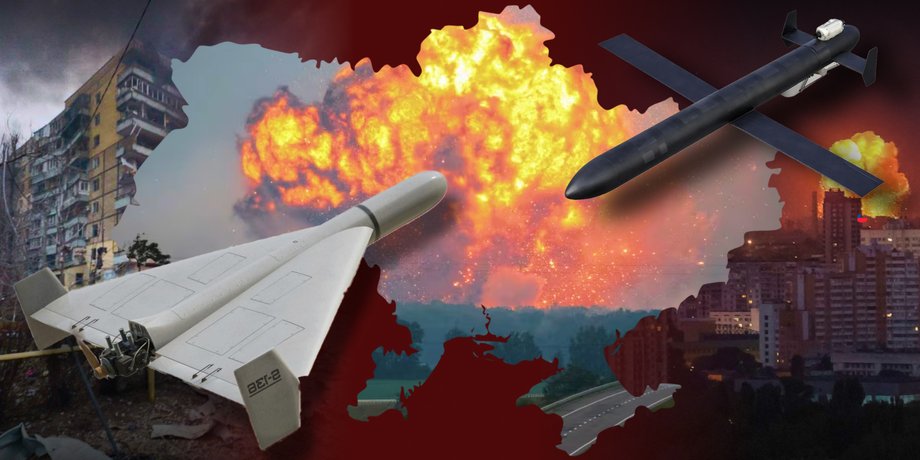
Russia is manufacturing approximately 3,000 Geran-4 and Geran-5 kamikaze drones per month, according to information provided by the Defence Intelligence of Ukraine (DIU). Primary serial production is centered at the Alabuga Special Economic Zone in Tatarstan, supported by a broader national component supply chain. Satellite imagery from July 2026 revealed new construction at the site that began in May 2026, pointing toward further capacity expansion. Meanwhile, production of the earlier Geran-3 jet-powered drone has been halted.
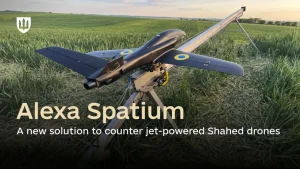
The shift reflects a broader trend toward jet-propelled strike systems designed to challenge Ukrainian air defenses. The Geran-4 retains the delta-wing dimensions of its predecessor but features an upgraded fuselage and a turbojet engine producing 160 kgf of thrust—double that of the previous model. This increases the drone’s maximum takeoff weight to 450 kilograms, boosts its cruising speed to between 350 and 500 km/h, and extends its operational range to 850 kilometers with a warhead of at least 50 kilograms.
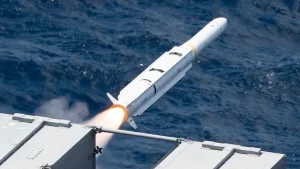
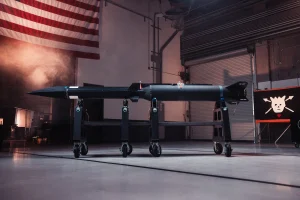
The Geran-5 represents a structural departure from traditional Shahed-type delta-wing geometry, adopting a fuselage that resembles a cruise missile. Classified as a missile-drone, the system carries a 90-kilogram warhead with an estimated strike range of 1,000 kilometers. Beyond its primary explosive payload, the Geran-5 can be fitted with R-73 infrared-guided air-to-air missiles and is capable of being launched from airborne platforms, including Su-25 attack aircraft.