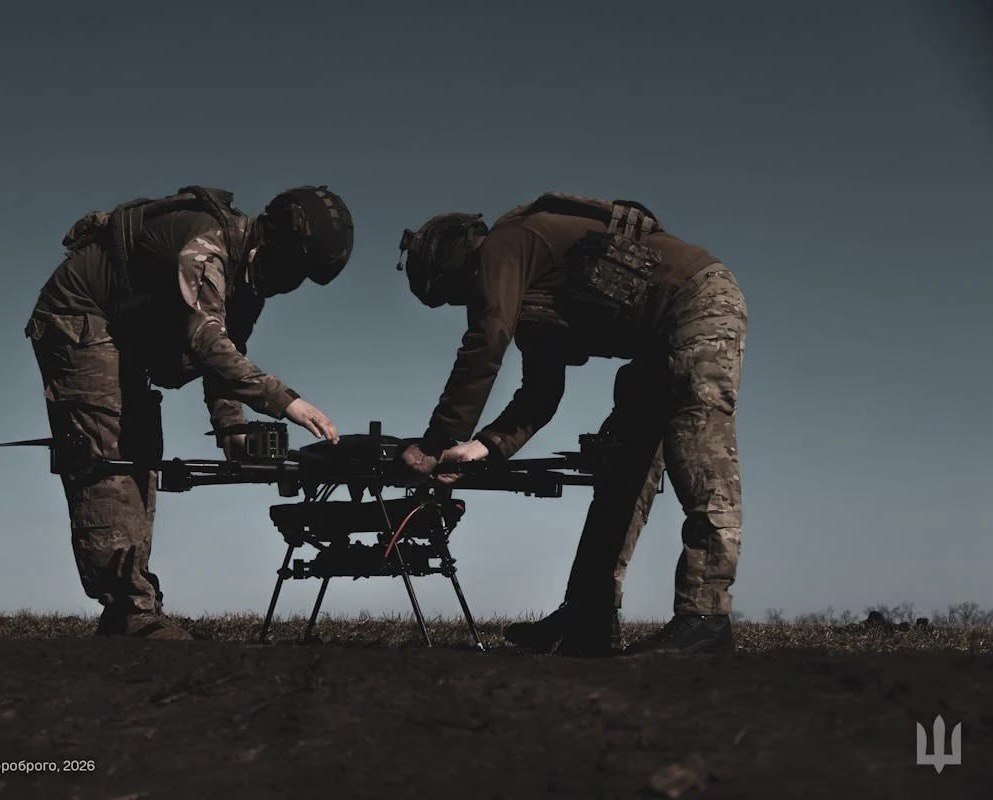
According to a report by The Wall Street Journal, a head-to-head exercise conducted in May 2026 at the Grafenwoehr training area in Germany between U.S. Army troops and Ukrainian drone operators demonstrated a clear outcome: Ukrainian uncrewed aerial systems outmatched legacy platforms and tactics. The drill underscored a broader structural shift, showing that NATO defense planners have yet to fully absorb the operational realities of the war in Ukraine.
This performance reflects a well-documented dynamic where combat-tested militaries transfer direct battlefield expertise back to their foreign backers. In such scenarios, the flow of operational knowledge moves in reverse to the flow of physical hardware. Previous comparable exercises have functioned as early procurement signals, emphasizing the stark cost asymmetry between low-cost attritable drones and expensive legacy systems. In the long run, these results tend to accelerate budget reallocation toward uncrewed platforms and counter-drone systems, redirecting capital toward specialized tech developers rather than traditional defense prime contractors.
However, a key distinction remains between immediate tactical validation and industrial-scale integration. While the exercise validates the effectiveness of small, agile drone units on the modern battlefield, systemic military adoption remains tied to defense procurement cycles that unfold over years rather than weeks.
For the defense technology sector, the immediate market impact is localized to specific equities, particularly publicly traded developers of uncrewed platforms, loitering munitions, and electronic warfare capabilities. The ultimate scope of these lessons will depend on upcoming defense ministry statements, formal procurement updates citing exercise findings, and further details regarding the engagement rules that shaped the drill.