U.S. military personnel were shown prototypes of drone swarms that deploy after being launched from rockets, as well as technology that could help drones operate in strong winds and confined spaces.
The developments were presented by researchers from Rutgers University during the first Rutgers Innovation Showcase for U.S. Army specialists. The event was held on July 22 at Picatinny Arsenal as part of a partnership between the university and the Armaments Center. The Armaments Center is a unit of the U.S. Army Combat Capabilities Development Command (DEVCOM).
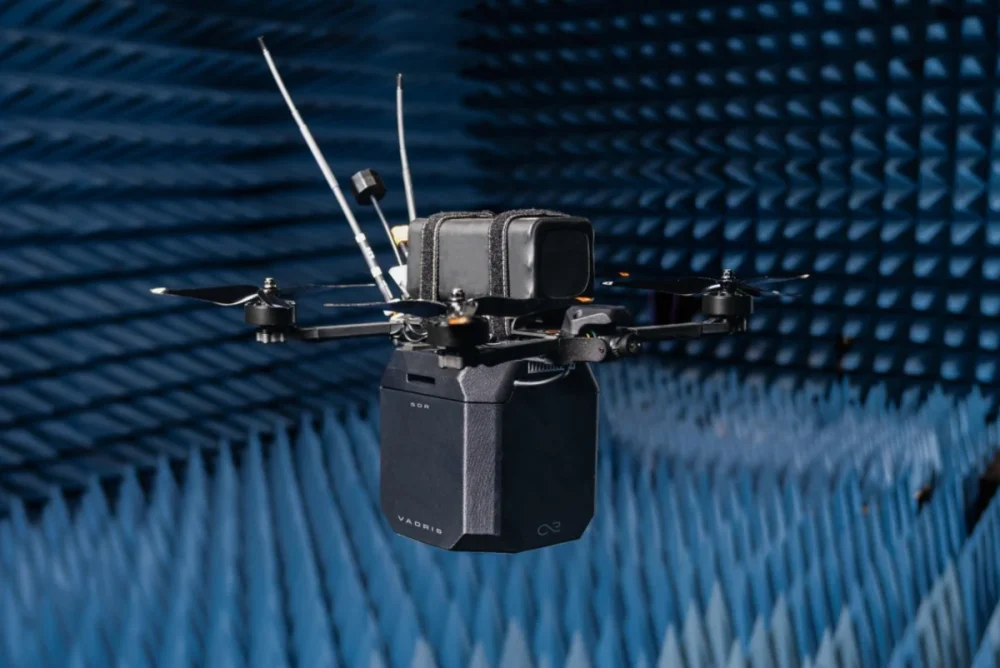
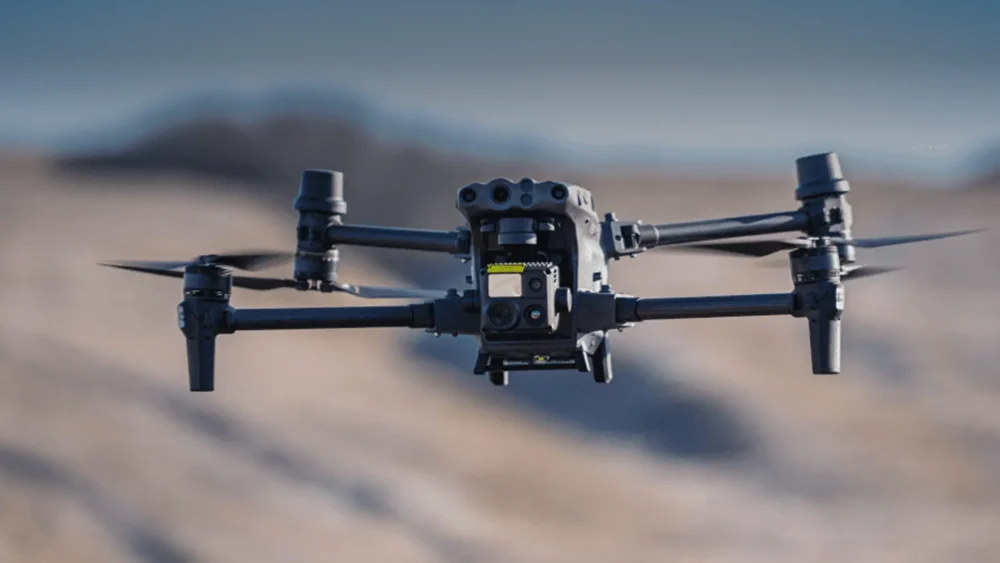
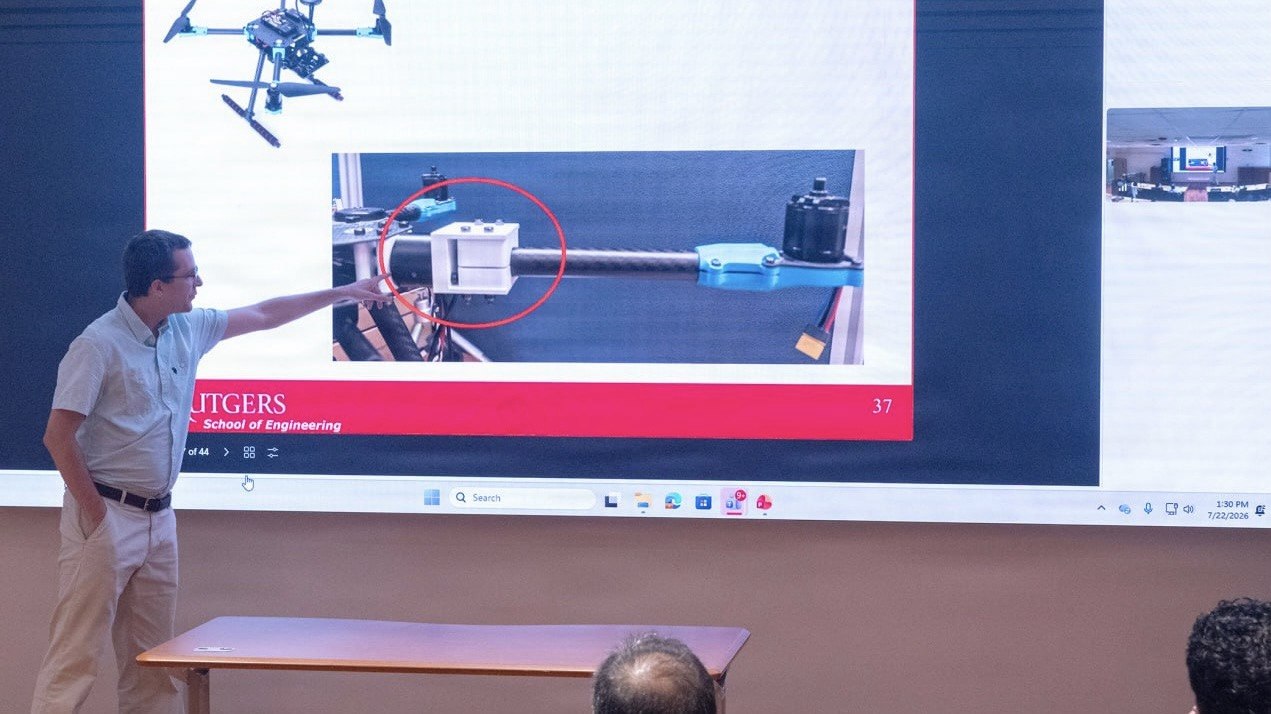
One of the developments was a patent-pending sensor technology being developed by Laurent Burlion, a Rutgers associate professor of mechanical and aerospace engineering. The system measures aerodynamic disturbances on individual drone arms in real time, reported by DVIDS.
According to the researchers, the technology could enable swarms to operate in strong winds and confined spaces where current systems may lose effectiveness.
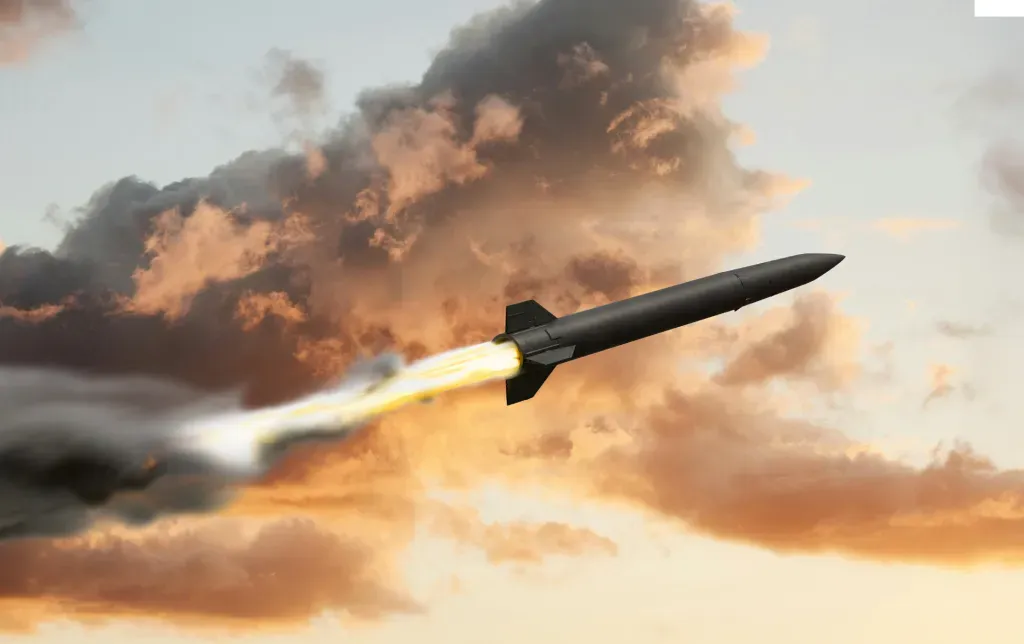
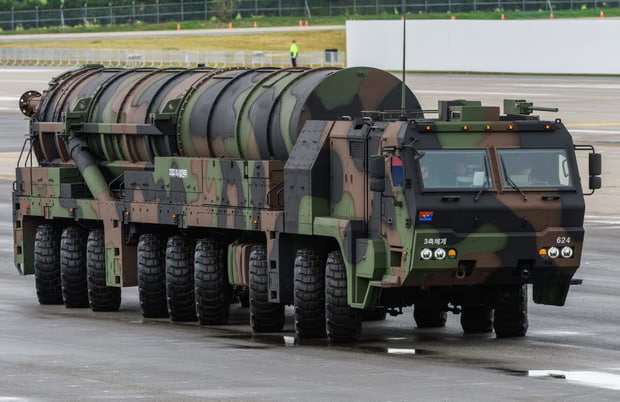
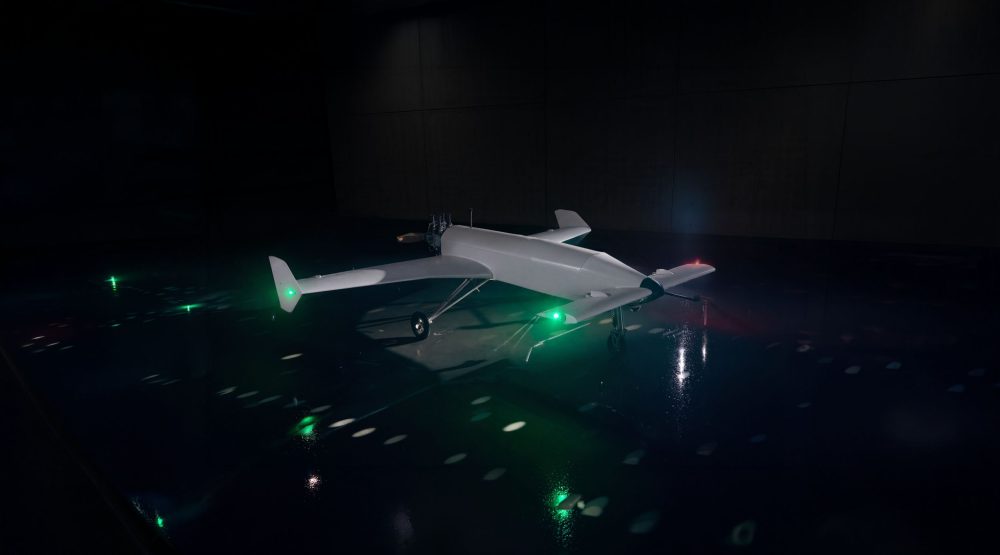
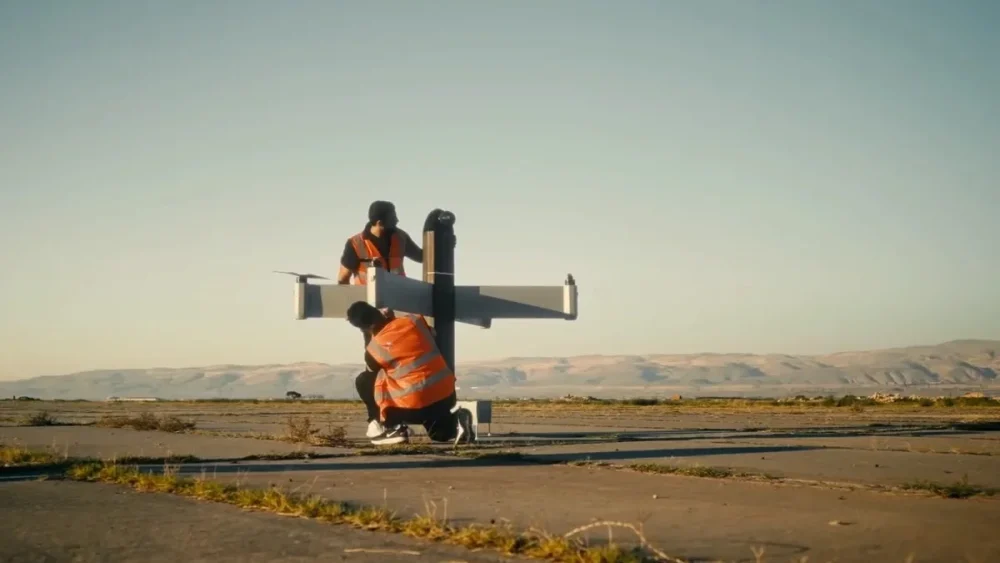
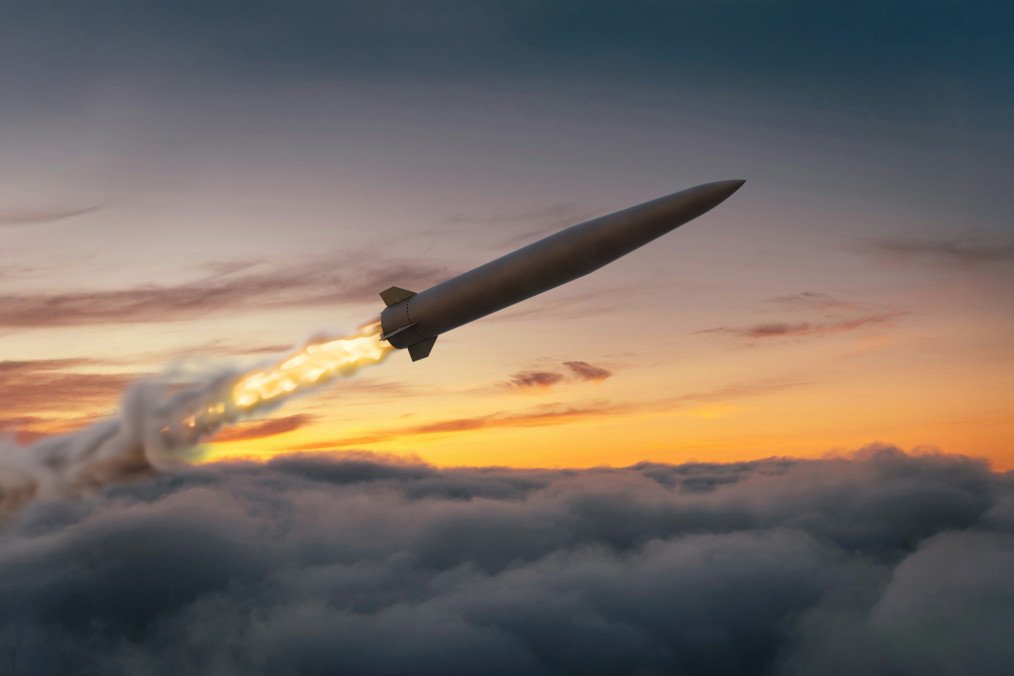
Burlion also demonstrated a prototype drone swarm that deploys after being launched from rockets. The drones feature folding mechanisms that, according to the researcher, could potentially extend their operational range significantly beyond current capabilities.
Another development was presented by Daniel Burbano, an assistant professor of electrical and computer engineering at Rutgers. His team is developing bio-inspired algorithms based on the study of collective fish behavior.
These algorithms allow autonomous systems to navigate without GPS, estimate the size of their group through distributed sensing, and make collective decisions. The capabilities are intended for operation in environments where GPS is unavailable or communications are degraded.
About 30 U.S. Army scientists, engineers and technical experts took part in the inaugural event. The format included not only presentations but also direct discussions between military personnel and researchers to explore opportunities for further cooperation.
The seminar series will be held quarterly. Future sessions will focus on energetics, manufacturing technology, electronics and sensors.