France is translating its strategic defense ambitions into industrial reality by mobilizing its automotive manufacturing base to mass-produce military drones. Driven by lessons from the war in Ukraine and mounting pressure on Europe to bolster its sovereign defense capabilities, French defense firms are establishing formal partnerships with automakers and tier-one parts suppliers to build automated assembly lines.
Since the start of the year, at least six major defense-automotive joint initiatives have been announced. The initiative aims to combine the high-volume discipline, supply chain scale, and robotics of the automotive sector with rapidly growing military technology demands. While current domestic stockpiles of a few thousand units remain insufficient to achieve critical mass, the strategy focuses on establishing scalable industrial infrastructure rather than accumulating inventory that risks rapid technological obsolescence.
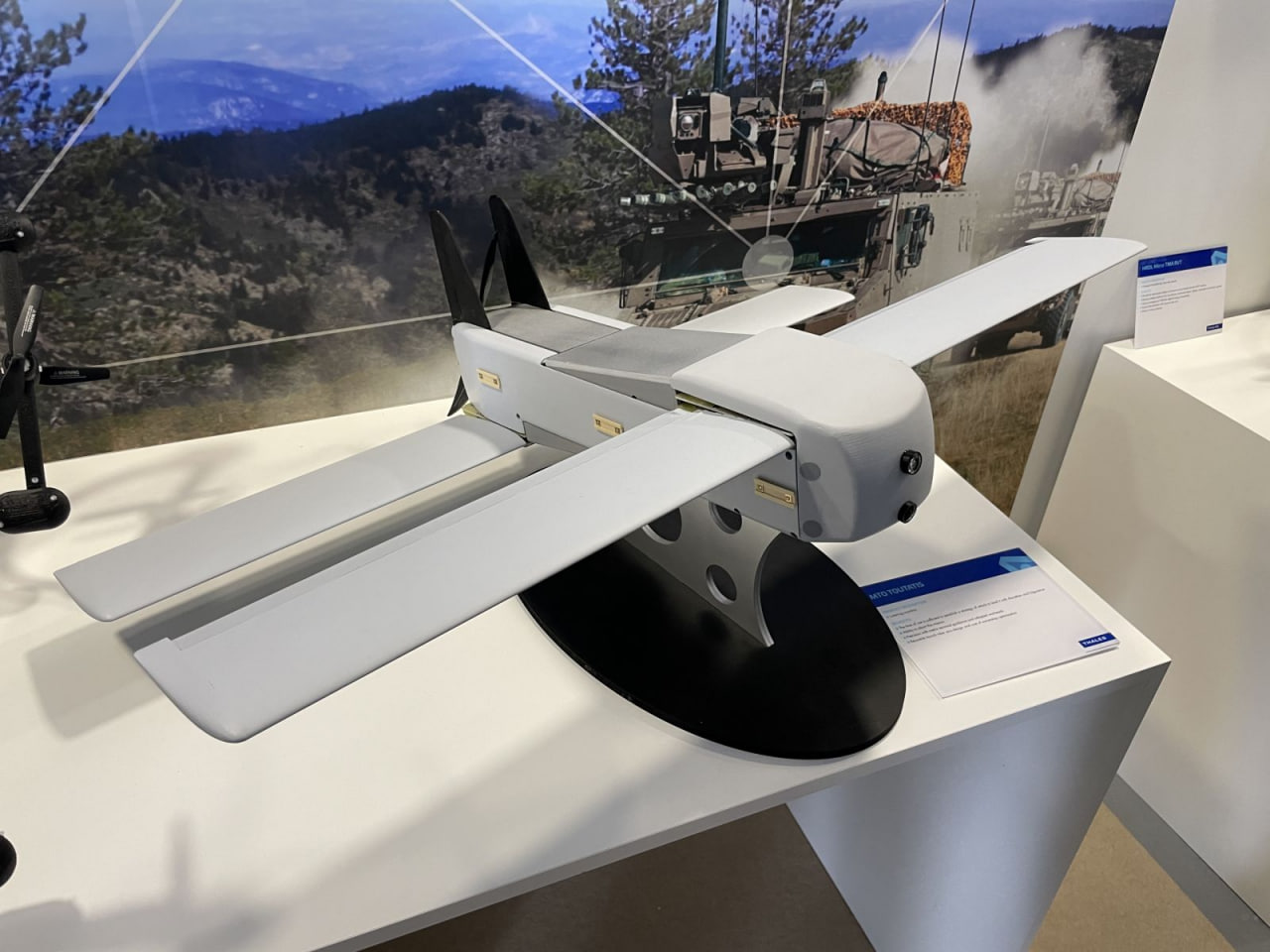
Several high-profile industrial partnerships are already driving this transition across the defense and automotive sectors. Automaker Renault has partnered with Thales to industrialize the Toutatis kamikaze drone, targeting an output of up to 1,000 units per month by 2027. To achieve this volume, Renault is actively redesigning the platform by transitioning from 3D printing to injection-molded plastics to reduce component counts and lower production costs. Renault is also co-developing a long-range drone platform with Turgis & Gaillard.
Simultaneously, French drone maker Delair has teamed up with German automotive supplier Schaeffler to establish a production line capable of manufacturing roughly 100 drones per day. Automotive supplier Forvia has unveiled a partnership with a European defense firm specializing in AI-driven counter-UAS systems and is evaluating plans to produce up to 1,000 interceptor drones monthly. Additionally, Valeo has committed to manufacturing specialized electric motors in France for Harmattan AI.
If fully realized, these combined initiatives could yield up to 60,000 drones annually, marking a significant leap for French defense manufacturing. According to global reporting by Reuters, French defense procurement officials emphasize that transitioning from startup prototyping to robotic, high-volume production lines is essential for long-term strategic resilience. The primary objective is establishing an elastic manufacturing base capable of rapidly scaling output during a crisis while maintaining sufficient stocks for continuous military training.