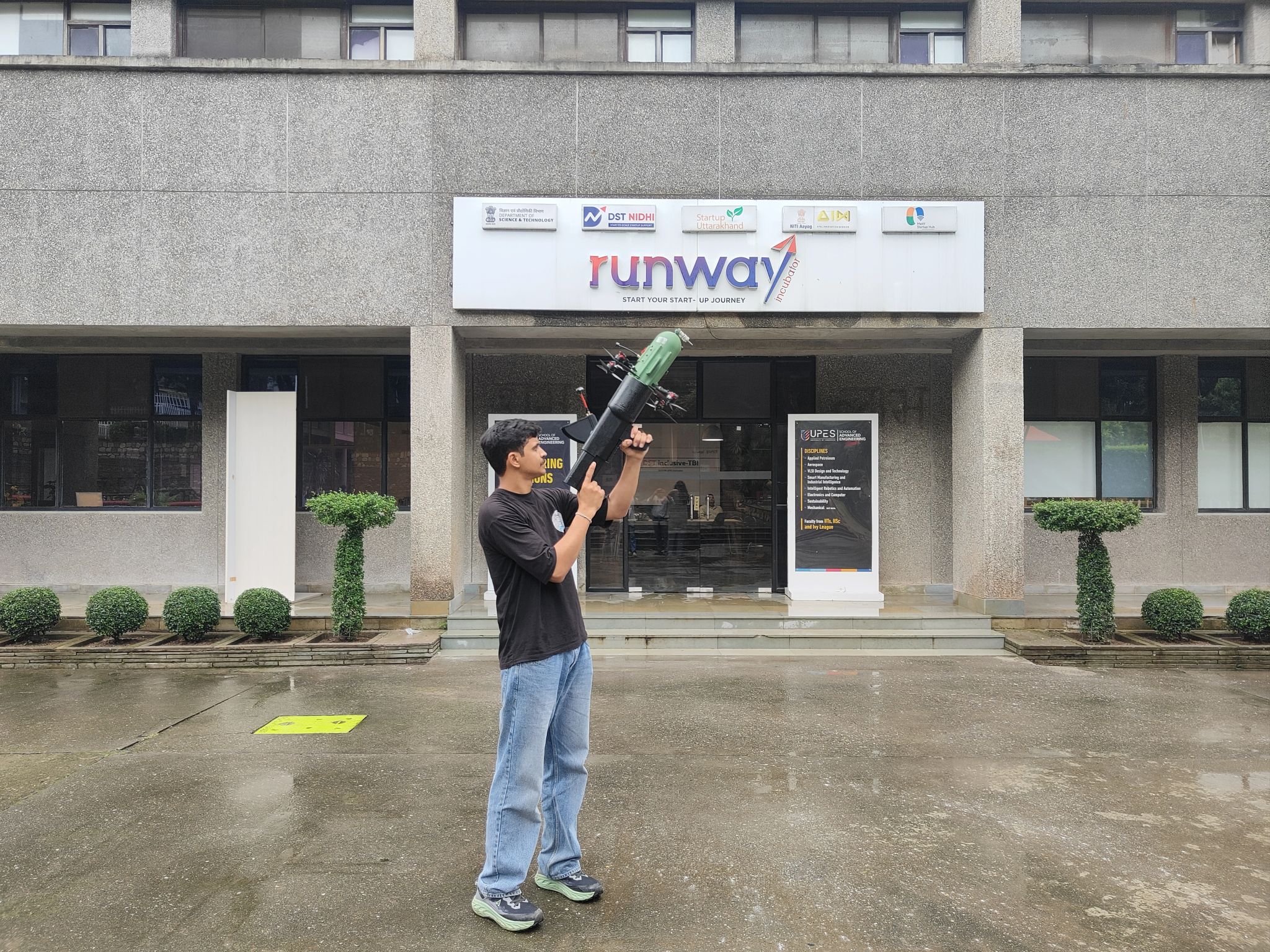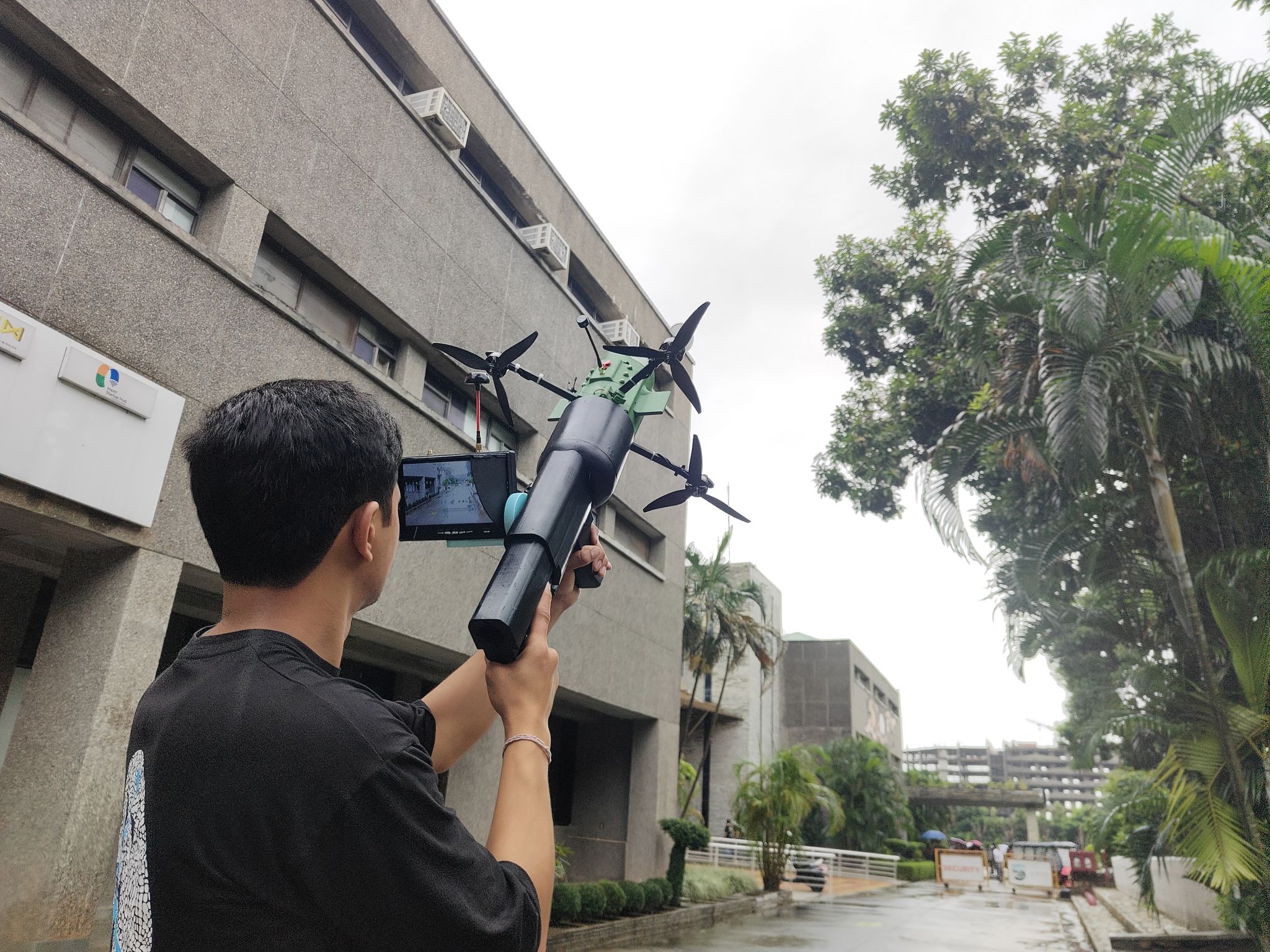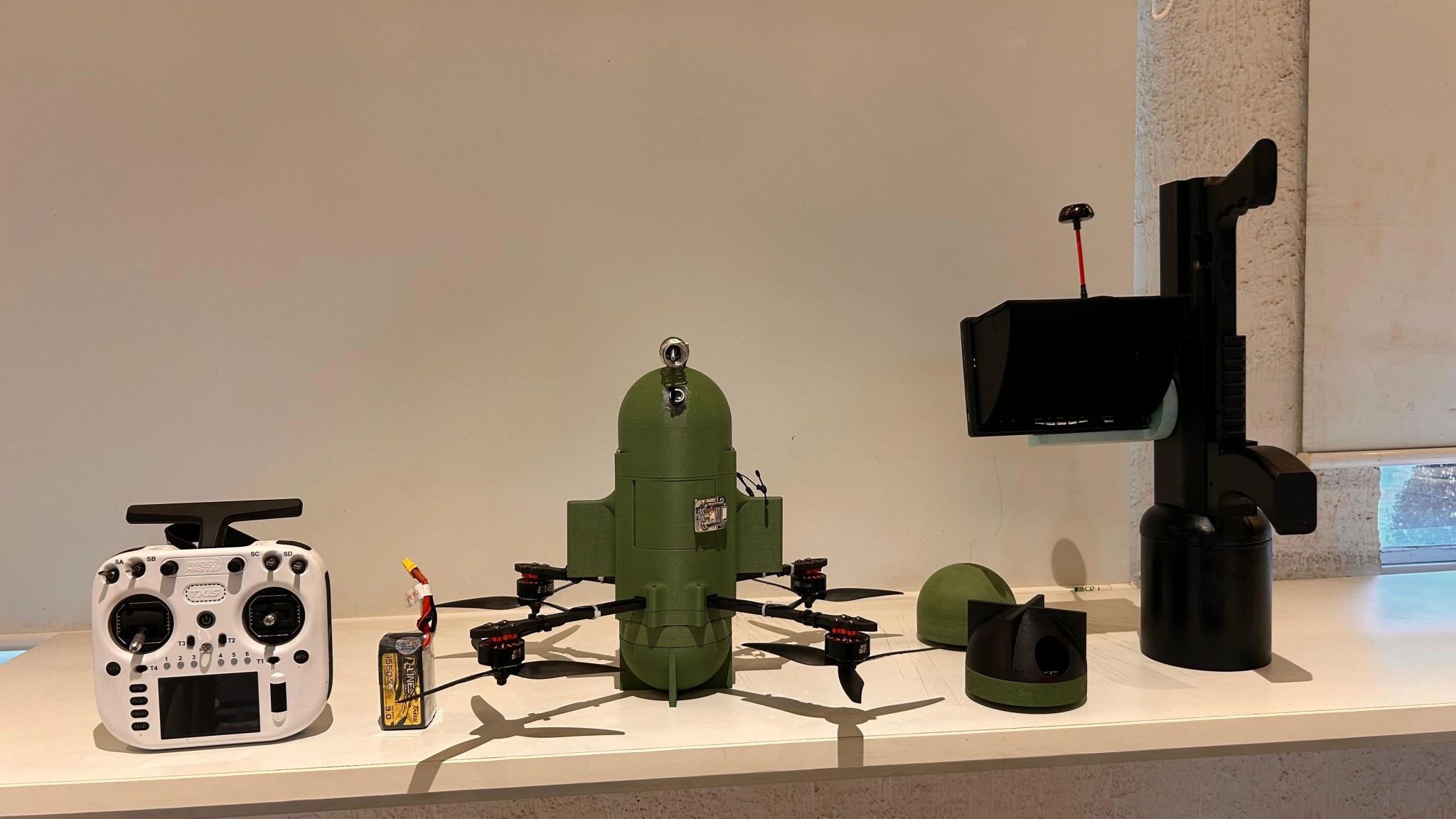
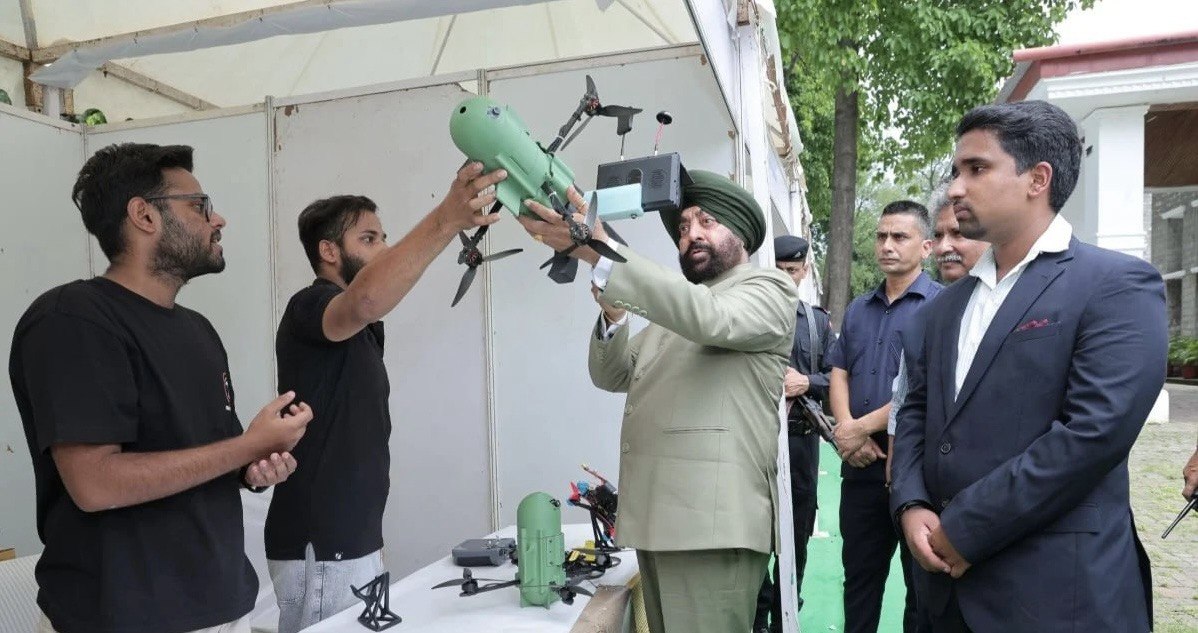
India’s defense technology ecosystem is adapting lessons from modern battlefields with the introduction of the Harpy Eagle, a compact, gun-shaped launcher designed to shoot down hostile unmanned aerial vehicles in midair. Developed by Picraft Technology Pvt. Ltd., the AI-powered system fires a miniature interceptor drone to physically destroy incoming aerial threats through high-speed autonomous interception.
The system addresses a critical gap in air defense exposed by recent conflicts. Small, low-cost drones have made traditional missile defenses economically impractical and technically ill-suited for stopping low-flying swarms. To counter this, the Harpy Eagle combines advanced computer vision and artificial intelligence to spot incoming threats, map flight paths, and guide its interceptor to knock hostile aircraft out of the sky.

While the developer claims the platform relies on AI vision, precision guidance, and rapid response to safeguard critical infrastructure and battlefield assets, verified field demonstrations or operational proof of its effectiveness remain unconfirmed. Counter-drone systems of this class generally face steep technical hurdles, particularly when optically tracking low-flying targets against complex, cluttered terrain.
The Harpy Eagle was presented at an innovation showcase under the Aarohi AI Incubator at Raj Bhavan in Dehradun, where Uttarakhand’s Governor, Lt. Gen. Gurmit Singh, inspected the technology. The project reflects India’s broader ambition to build its domestic defense capability from the ground up while reducing reliance on foreign supply chains.
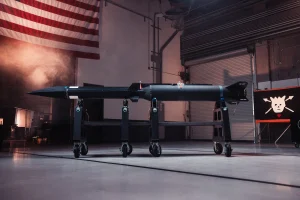
Although detailed performance metrics, range, and unit costs remain undisclosed, the device aligns with the nation’s efforts to establish layered counter-drone architecture alongside longer-range solutions like the Bhargavastra missile interceptor. It remains unconfirmed whether the Indian Armed Forces have initiated formal evaluations of the system.