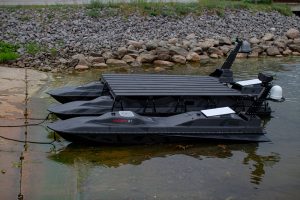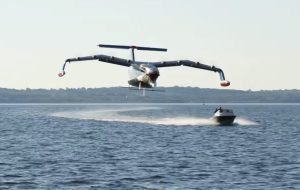
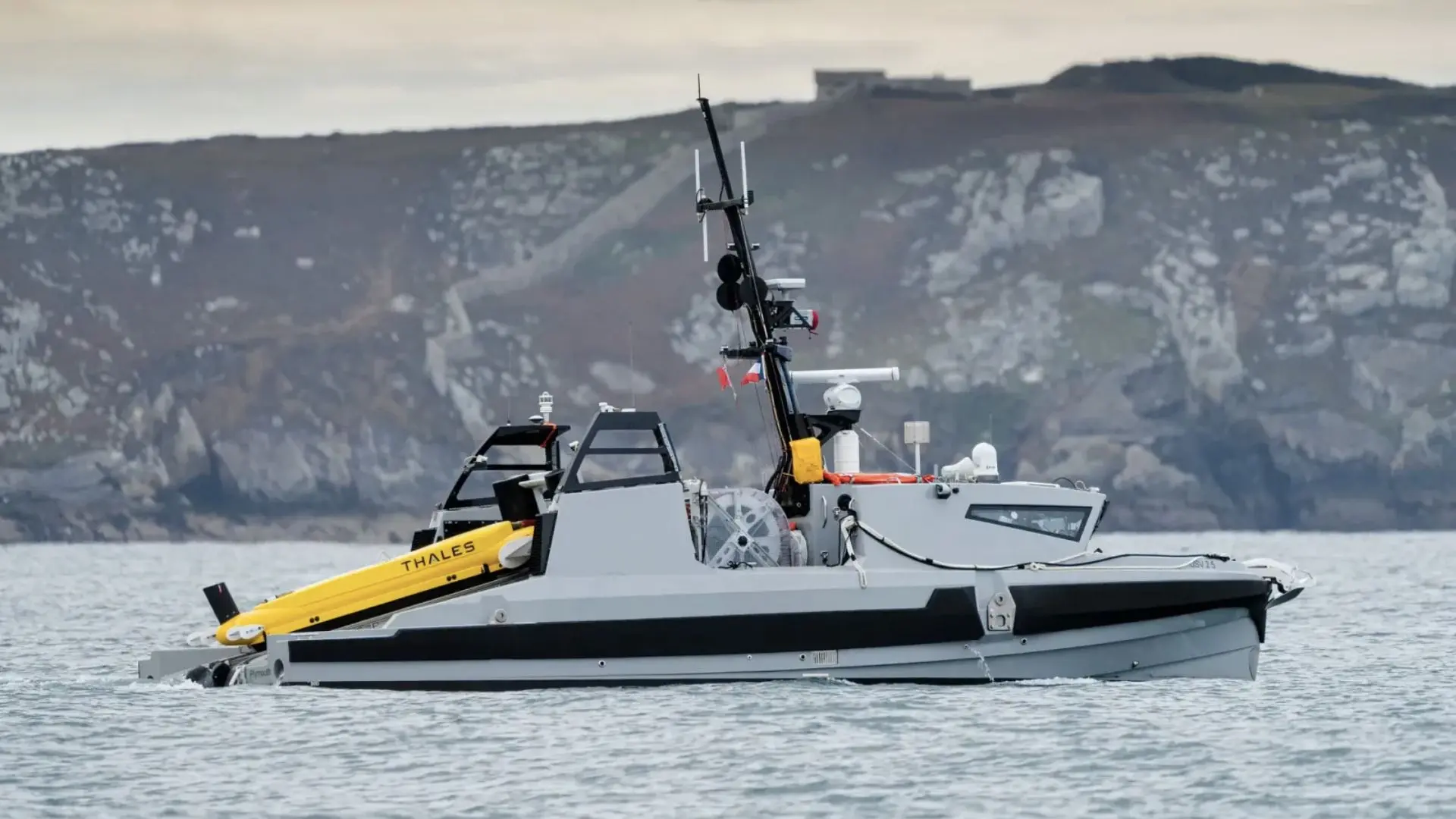
The Dutch Ministry of Defence’s Command Material and IT (COMMIT) has given the green light to the Dutch Naval Design consortium to begin full-scale design work on a dedicated Anti-Submarine Warfare Unmanned Surface Vessel (USV ASW). Initially commissioned for feasibility studies in 2024, the program aims to deploy autonomous 12-meter surface vessels capable of operating in high sea states (up to Beaufort force 5), reaching speeds of 20 knots, and maintaining deployments for at least 96 hours.
According to official statements from COMMIT, these unmanned platforms will perform critical roles in detecting, tracking, and deterring hostile submarines, while significantly expanding the operational range and response capabilities of the future ASW frigates currently being co-developed with Belgium.
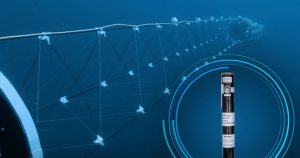
Central to the vessel’s sensing suite will be the Compact FLASH dipped sonar, supplied by Thales Underwater Systems France. Operable in low frequencies for extended-range detection, the system excels at filtering out clutter and integrates seamlessly with existing naval sensors such as the CAPTAS variable depth sonar and SonoFlash acoustic buoys. Deploying a dipped sonar—traditionally used on rotary-wing aircraft—from an uncrewed surface platform allows host frigates to conduct acoustic reconnaissance of high-risk maritime areas while maintaining a safe standoff distance.
Despite the operational promise, the project highlights broader integration and operational dilemmas within European navies. While the Netherlands pursues dedicated uncrewed escorts and the UK Royal Navy explores similar operational concepts with its Common Combat Vessels (CCV), other allied force structures remain cautious. Former French Navy Chief of Staff Admiral Nicolas Vaujour recently underscored the ongoing challenge of system resilience during high-seas operations, noting that long-duration autonomous navigation remains constrained not by electronics or acoustic tech, but by the absence of onboard technical crew to perform real-time maintenance and fault resolution.