Ukraine’s military operations are increasingly guided by data-driven cost-benefit analysis. In June, the Ukrainian Defense Forces achieved an estimated five-to-one economic efficiency ratio, inflicting roughly $5 in financial losses on Russian forces for every $1 spent executing strikes against targets.
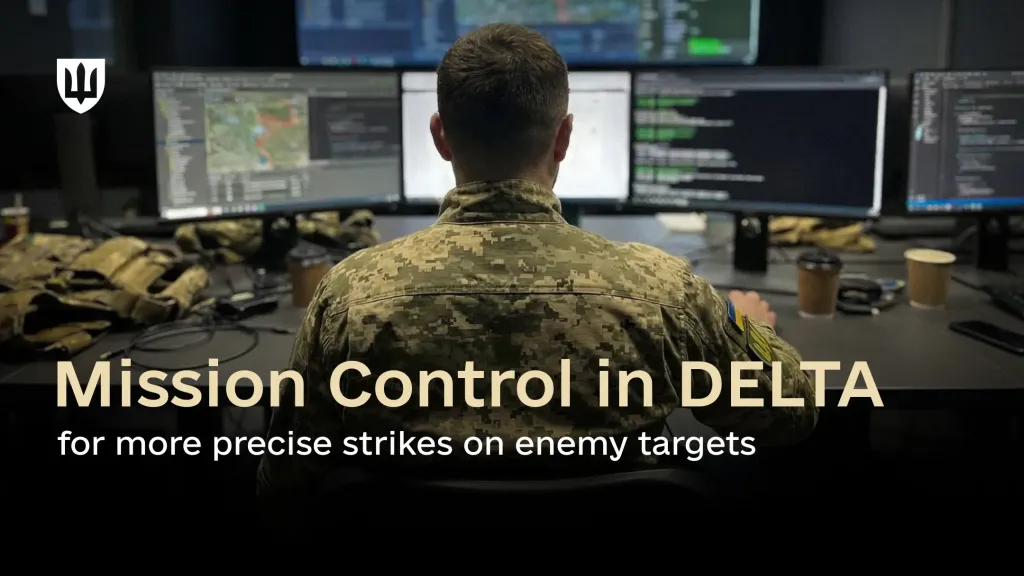
According to the Ministry of Defense of Ukraine, these calculations rely on data gathered by Mission Control, a specialized analytics platform integrated into the broader DELTA military ecosystem. Developed by the Center for Innovations and Defense Technologies Development, the software was officially put into operation in August 2024. The tool processes approximately 50,000 combat missions weekly, generating over 230,000 reports to track operations carried out by Ukrainian drone forces, manage mission planning, and evaluate battlefield outcomes.
The software tracks deep operational metrics across mission types, including reconnaissance, strikes, logistics, and evacuation. By assigning values to destroyed assets—ranging from telecommunications gear worth hundreds of dollars to air defense systems valued at hundreds of thousands—the platform calculates the precise economic impact of strikes against enemy personnel, equipment, and infrastructure.
The system’s financial modeling highlights significant cost disparities between offensive operations and target values. In June, Ukrainian forces spent an average of $3,032 to strike a single Russian servicemember, compared to an estimated $65,000 required for Russia to maintain that personnel member. Equipment strikes averaged a cost of $2,674, while infrastructure targets required $1,487 per strike. Beyond offensive tracking, the platform analyzes Ukrainian equipment losses, recording the depth and circumstances of asset damage to help command adapt tactics rapidly to changing conditions on the front line.
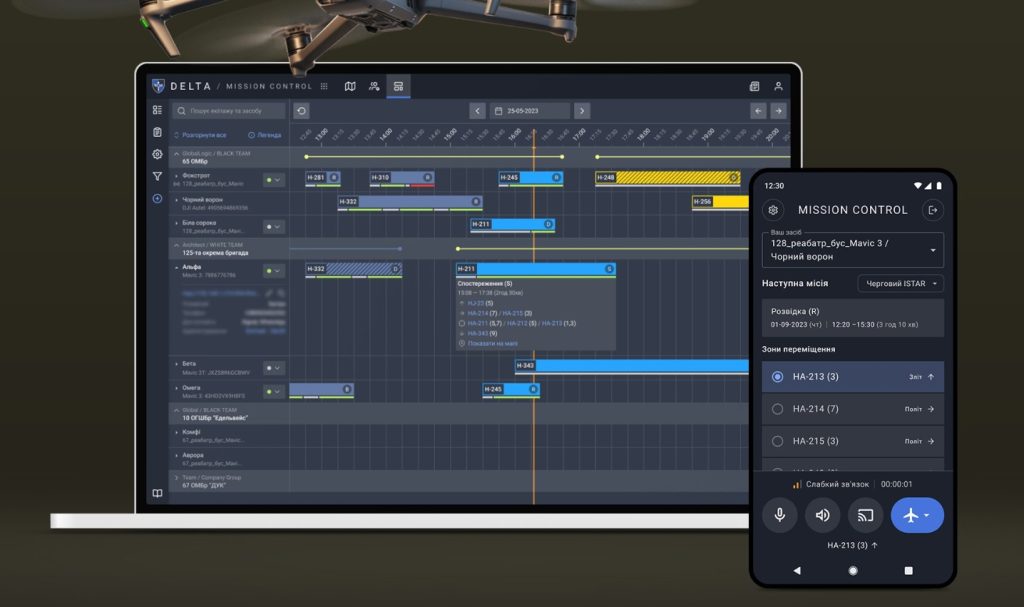
Mission Control Planning Module of the Delta System