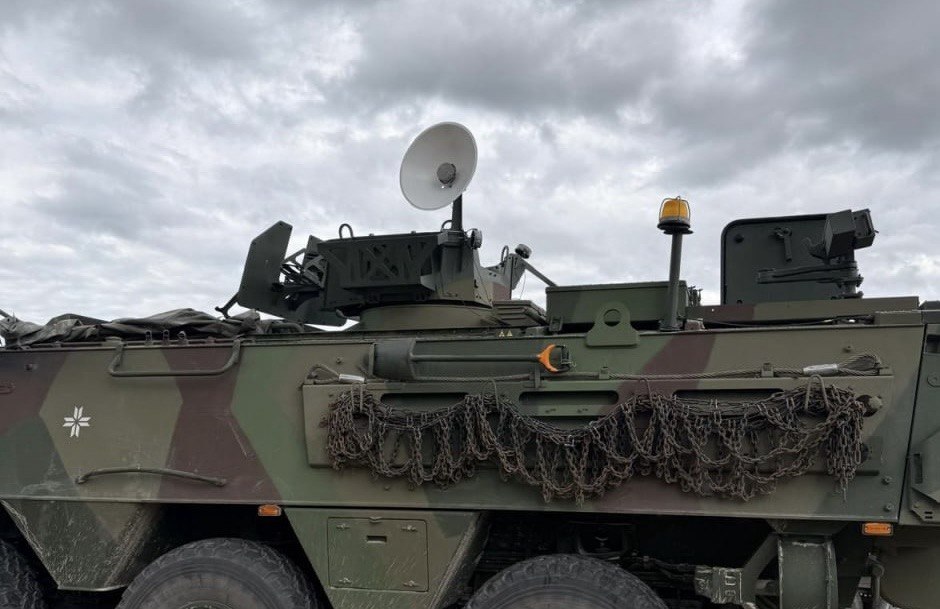
A Ukrainian defense manufacturer has completed its first field test of a vehicle-mounted acoustic drone detection system, demonstrating that sensors originally designed for fixed positions can operate effectively while in motion.
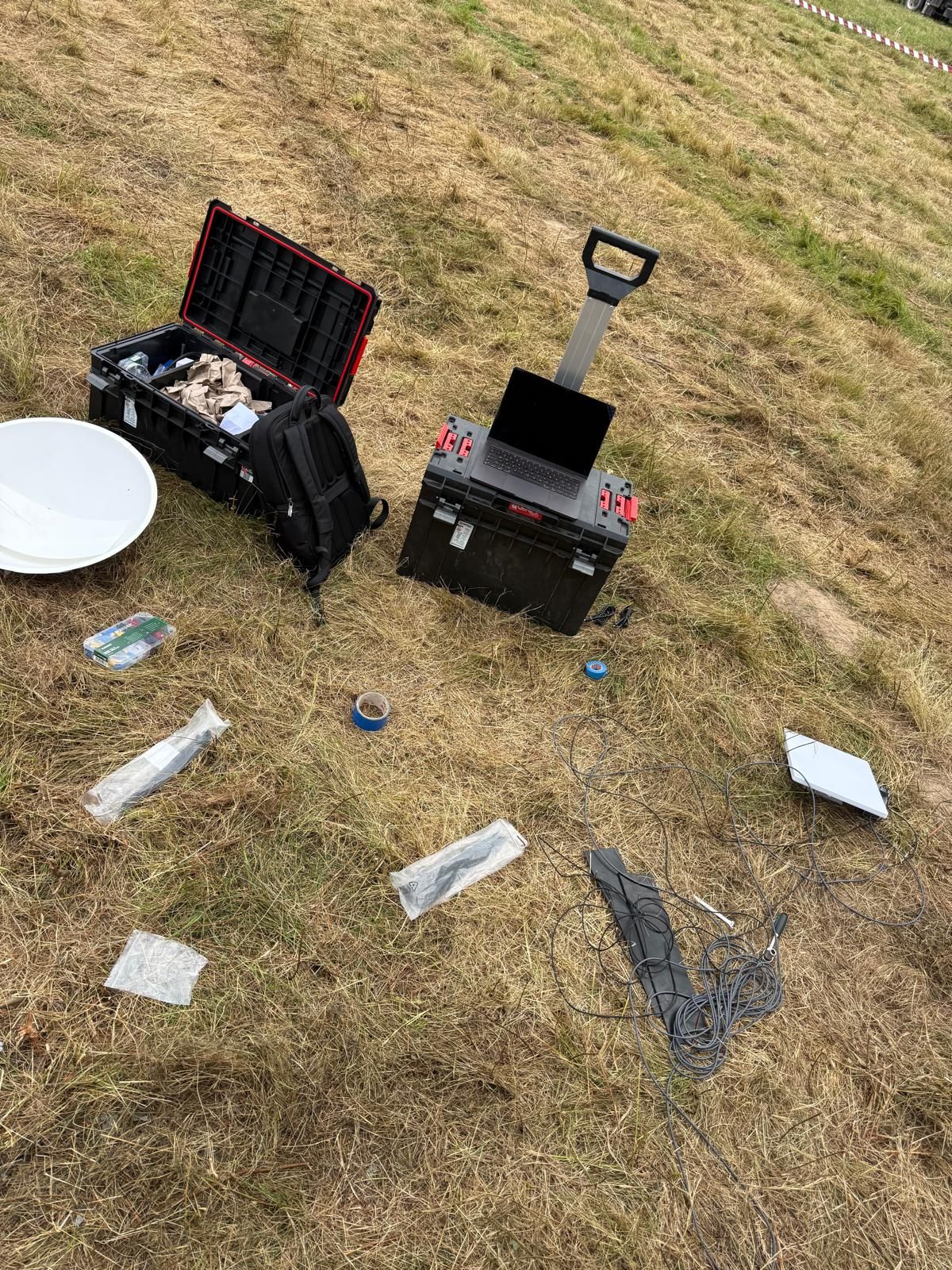
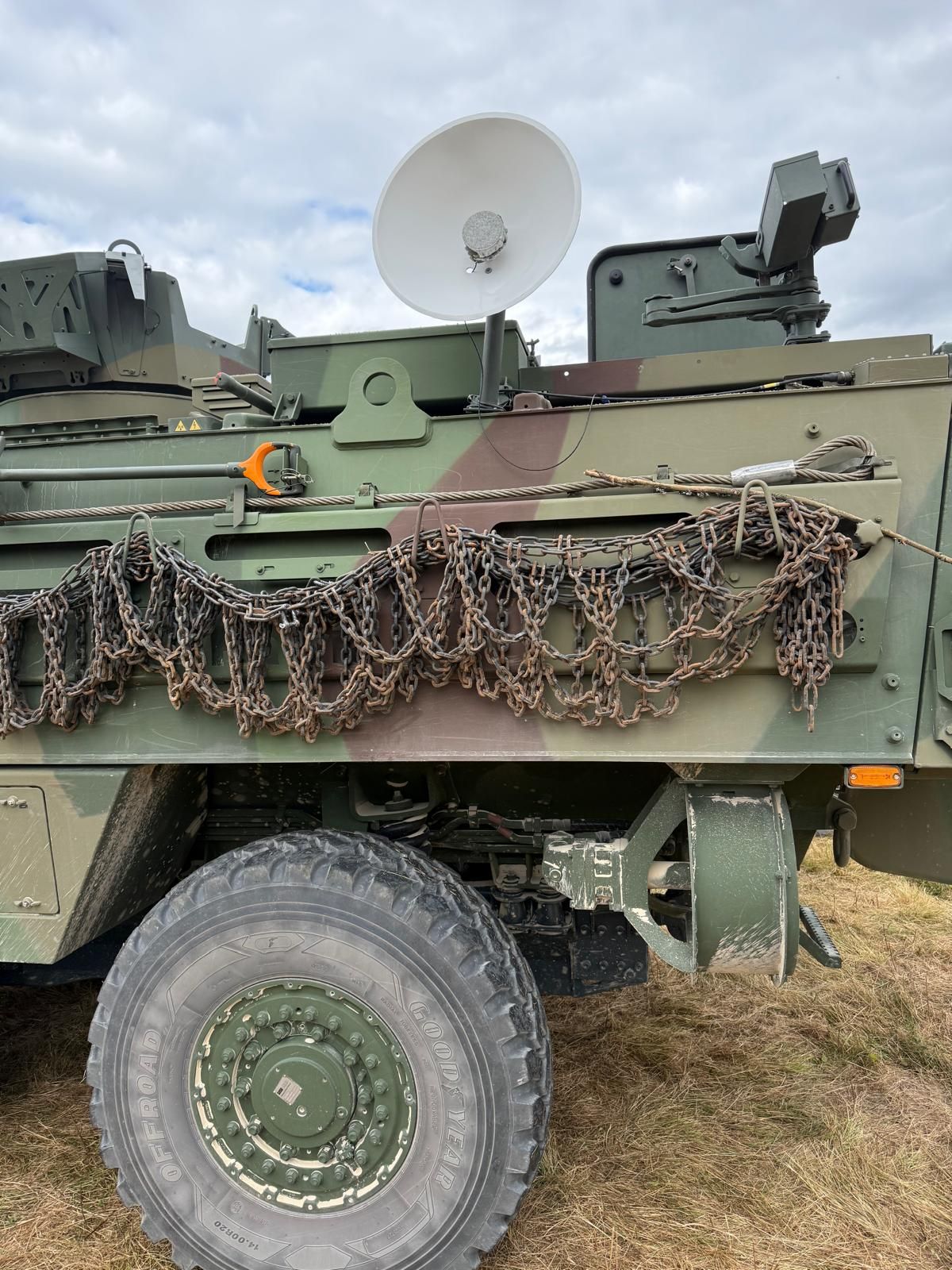
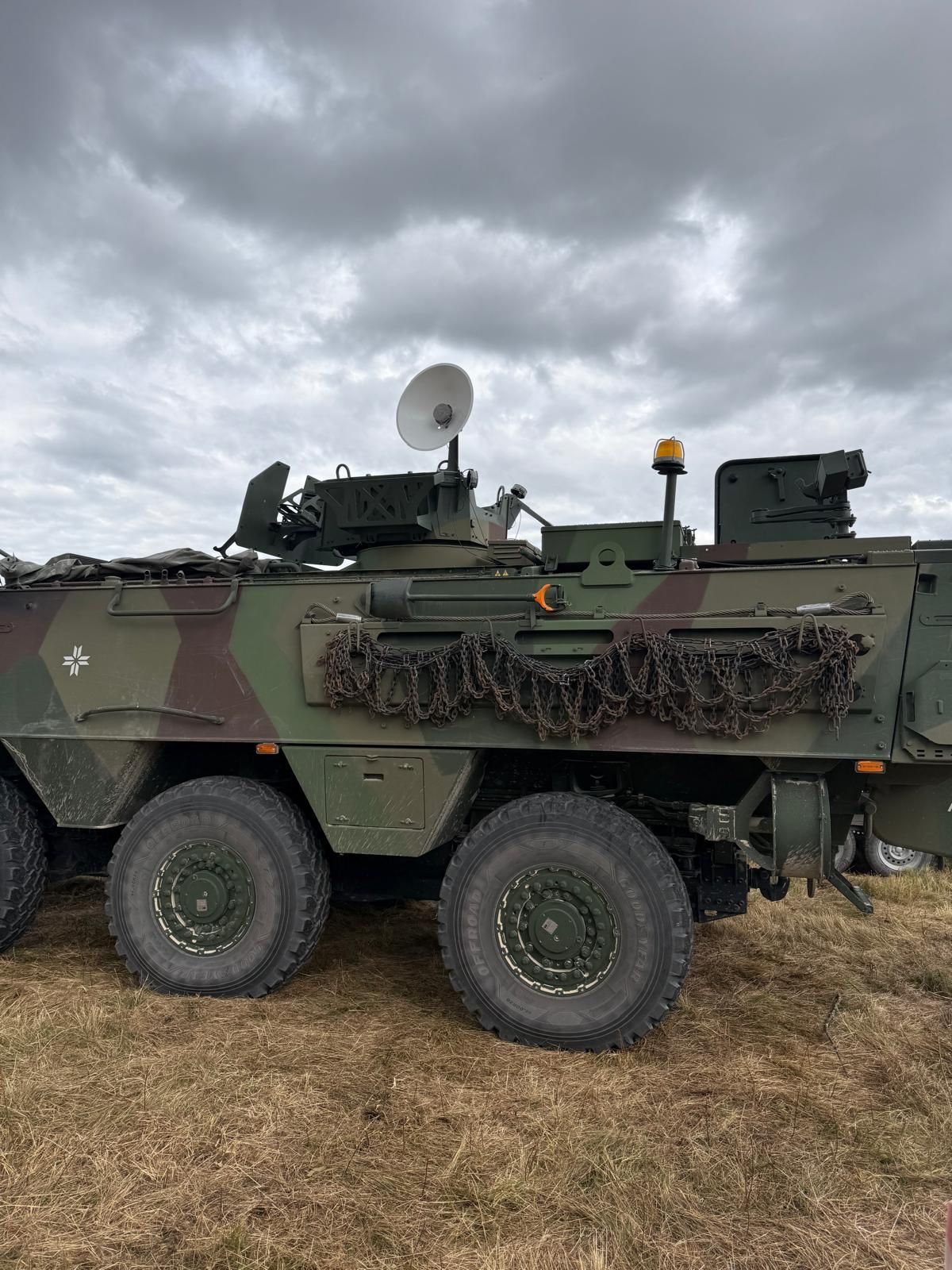
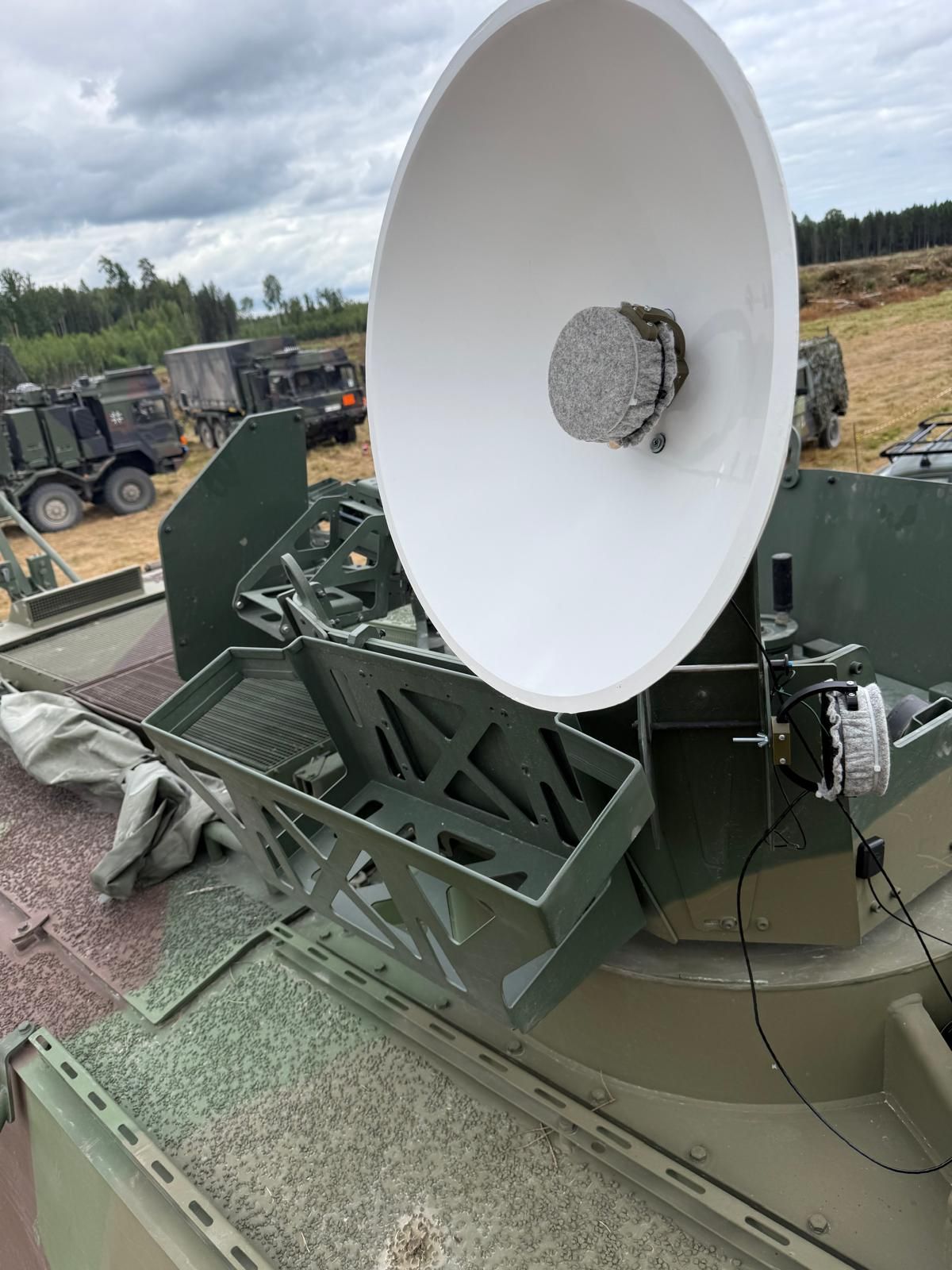
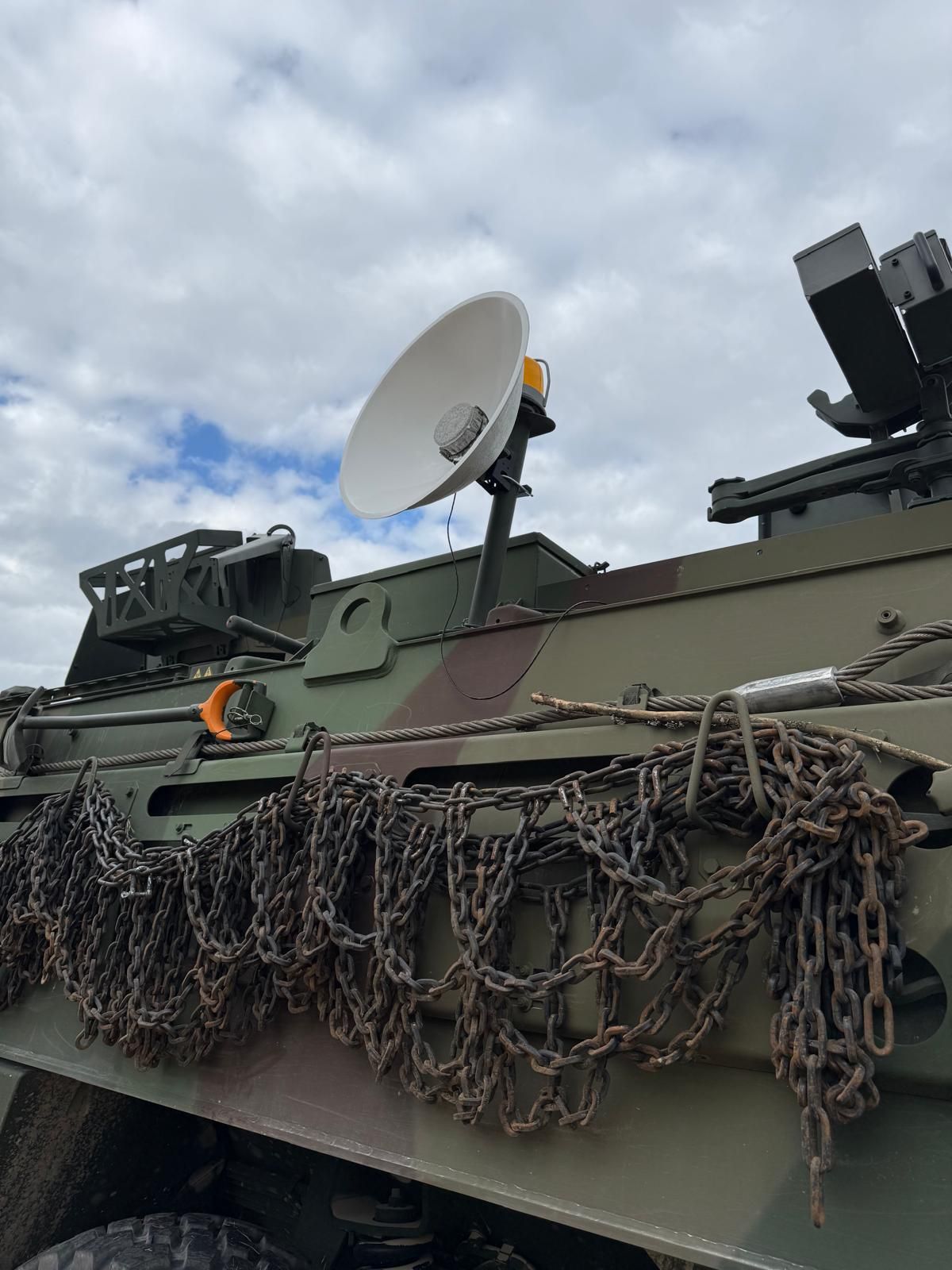
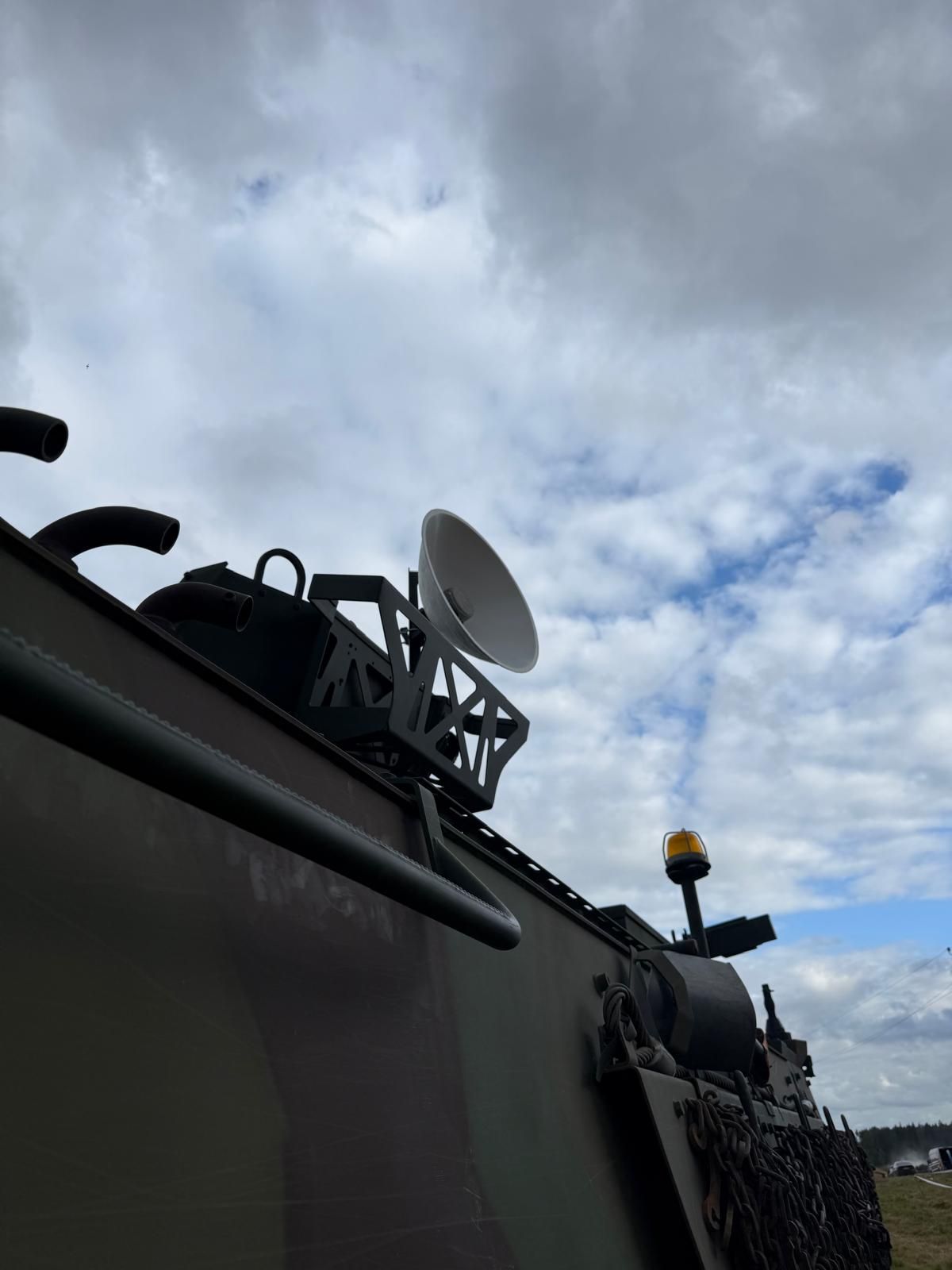
During NATO’s recent BATT26 exercise in Latvia, engineers from Lviv-based Zvook collaborated with the Latvian National Armed Forces to mount passive acoustic early-warning sensors directly onto a moving military vehicle. The experiment marked a departure from the system’s standard deployment model, which relies on permanent installations on telecom towers and elevated infrastructure.
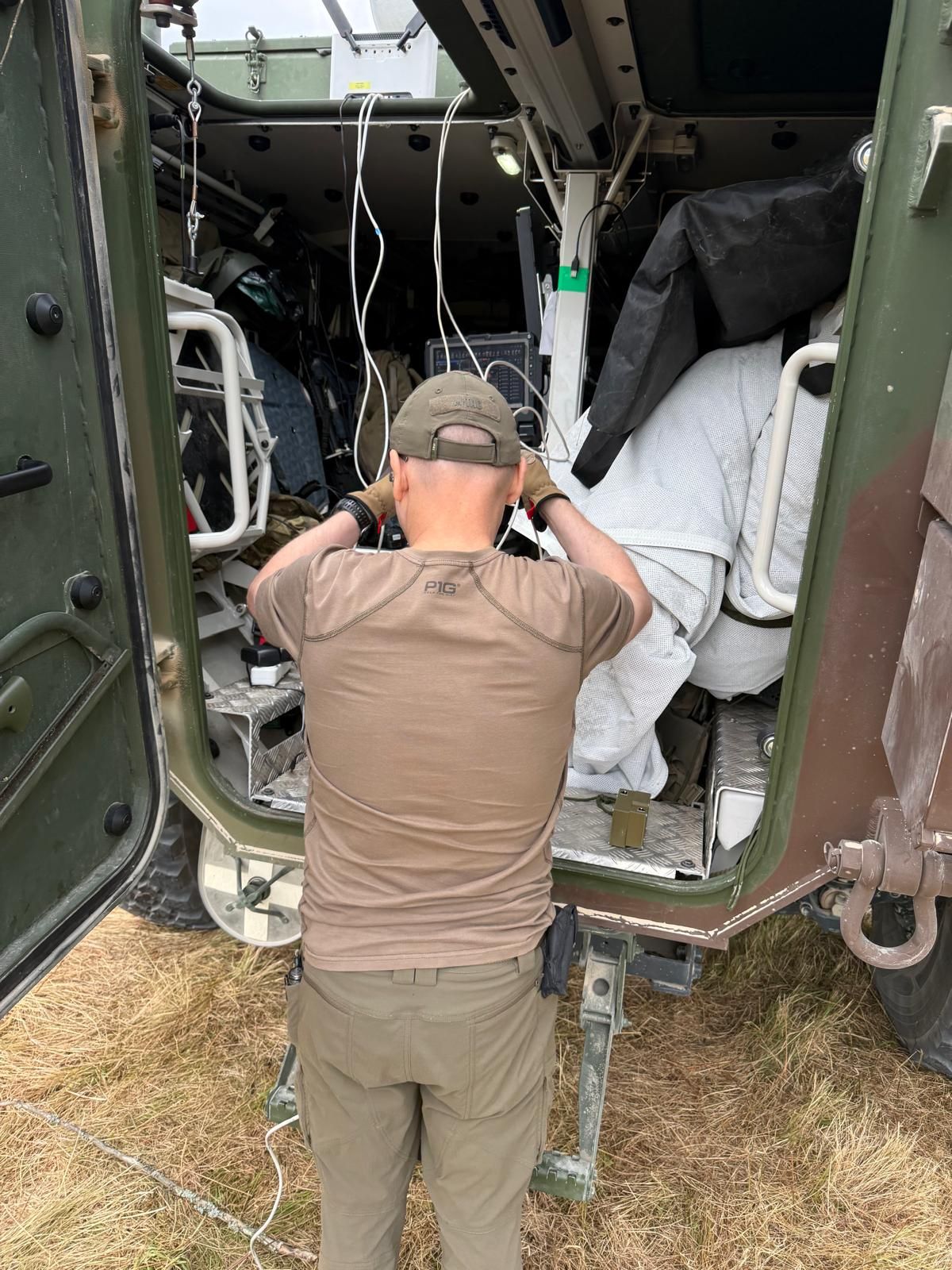
According to company representatives, the field experiment grew out of practical necessity inside a shared operational environment rather than a planned laboratory design. As multiple systems were being integrated during multinational trials, unforeseen integration challenges arose. Rather than waiting for ideal conditions, military personnel, engineers, and partners adapted their approach on the ground.
“Innovation doesn’t always begin in a laboratory. Sometimes it begins in the field. During BATT26, one challenge reminded us what defence innovation is really about. Multiple systems were being integrated into a shared operational environment. As often happens during experimentation, not everything worked exactly as originally planned. Instead of waiting for the ‘perfect’ solution, engineers, military personnel, and partners gathered around one simple question: How do we accomplish the mission?” the company stated.
Together with the Latvian Armed Forces, the team mounted the sensors onto a moving platform to test whether mobile acoustic monitoring was viable under real-world conditions.
“For the first time, Zvook’s passive acoustic early warning sensors were mounted on a moving vehicle—something beyond our standard deployment concept, where sensors are typically installed on fixed infrastructure such as telecom towers or other permanent locations. It wasn’t part of the original plan. That is exactly why experimentation exists. The result? It worked. Not perfectly—there were challenges, valuable lessons, and improvements to identify. But the concept proved itself under operational conditions, opening new possibilities for future mobile deployments,” company representatives noted.
Unlike traditional radar, which emits radio signals that can expose a defender’s position to anti-radiation weaponry, acoustic detection operates passively. The system identifies incoming threats by matching the acoustic signatures generated by motors and propellers. While “Zvook’s” standard network uses sensors mounted at heights of 10 to 12 meters near Ukraine’s borders—feeding threat data into the Delta situational awareness system in approximately 12 seconds—the mobile variation aims to protect moving convoys, temporary command posts, and rapidly maneuvering tactical units.
The technological line has evolved continuously throughout the conflict, including the development of compact sensors designed to detect fiber-optic FPV drones, which frequently evade standard radio-frequency monitoring.
While the initial trial revealed technical areas requiring further calibration, the underlying concept proved operational. “Zvook” credited the Latvian Armed Forces, BATT26 organizers, and international partners for facilitating the trial, emphasizing that defence innovation relies on rapid iteration, mutual trust, and practical field collaboration. The trial reflects a broader pattern of Ukrainian defense firms utilizing NATO field exercises—such as previous joint demonstrations at Odense Airport in Denmark with DefSecIntel Solutions, Weibel Scientific, TYTAN Technologies, and Marduk Technologies—to prove battlefield hardware alongside European allies.