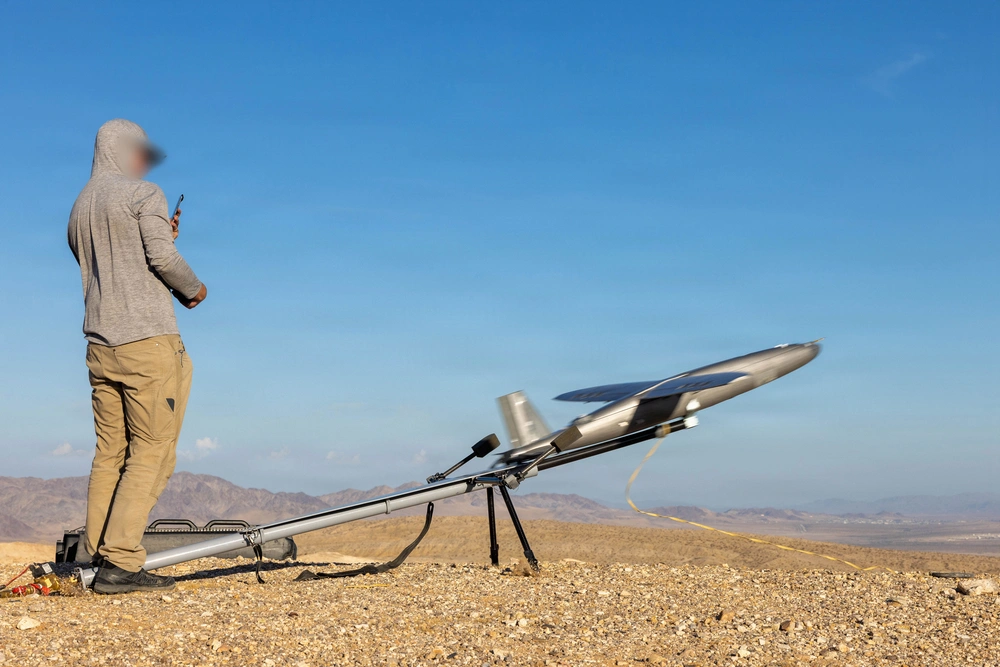
The 2nd Marine Division’s Unmanned Systems Center of Excellence (UXS COE) has wrapped up several days of integrated training and live demonstrations featuring AI-enabled autonomous drones developed by American defense technology firm Perennial Autonomy. Conducted at the Marine Corps Air Ground Combat Center in Twentynine Palms, California, the exercises focused on evaluating multiple uncrewed platforms to prepare Marines for upcoming operational deployment.
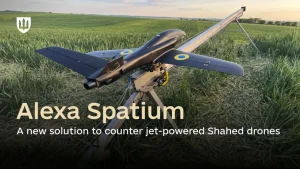
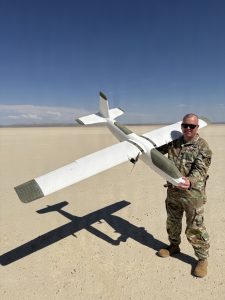
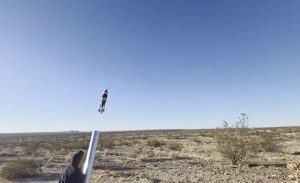
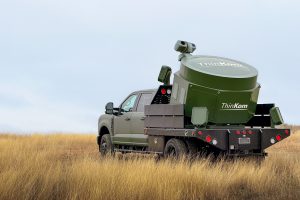
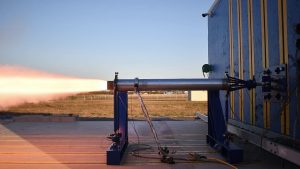
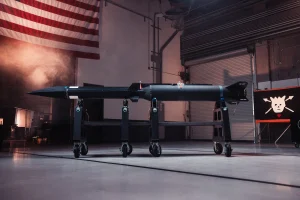
During the training, Marines operated the Bumblebee V1 quadcopter and the Hornet mid-range strike drone, testing their versatility in reconnaissance, target attack, and payload delivery missions. Additionally, Perennial Autonomy demonstrated the capabilities of its AS-3 Merops—an interceptor designed to neutralize one-way attack drones such as the Iranian Shahed 136. In a key moment of the display, the Merops successfully intercepted and destroyed one of the company’s own Hornet strike drones. The system has reportedly logged over 4,000 successful interceptions in Ukraine.
The trial took place alongside the Marine Air Ground Task Force Warfighting Exercise, facilitated by the Tactical Training and Exercise Control Group. The UXS COE leveraged the Combat Center’s expansive range infrastructure to gather data and build operational familiarity ahead of official system fielding.
According to 2nd MARDIV Air Officer Col. Thomas Short, the division is the first Marine Corps unit to work directly with Perennial Autonomy. Short noted that official press releases highlight how hands-on access allows the division to test platforms and collect valuable operational data before the systems are fully integrated into frontline weapons arsenals.
The push aligns with high-level modernization priorities. In May, leadership from Perennial Autonomy met with Commandant of the Marine Corps Gen. Eric Smith to discuss integrating and tailoring these autonomous systems to meet specific service requirements. With the Department of War scheduled to receive Perennial Autonomy drones within weeks, the UXS COE is proactively preparing tactics to certify and deploy the equipment across Marine Corps formations as efficiently as possible.
UXS COE Director Master Sgt. Patrick Harrington emphasized that the practical exercise offered his team critical early exposure as they get ready to incorporate the uncrewed systems into the division’s standard warfighting structure.
The training event was organized through collaboration between the division’s operations staff, the UXS COE, and the II Marine Expeditionary Force Office of Science, Technology and Experimentation. Based out of Marine Corps Base Camp Lejeune, North Carolina, the 2nd Marine Division continues to refine tactics, techniques, and procedures for deploying and countering small uncrewed aerial systems on the modern battlefield.