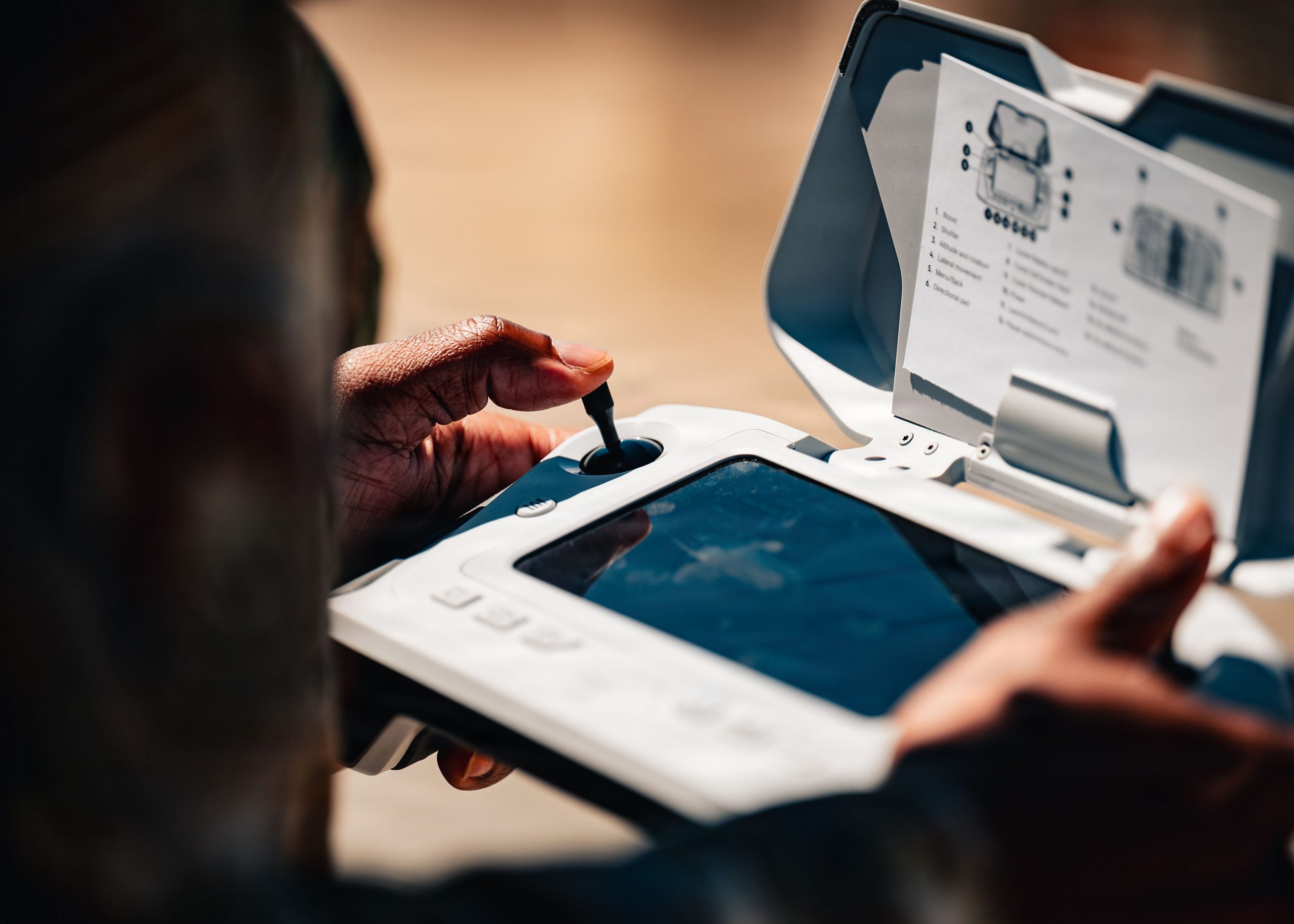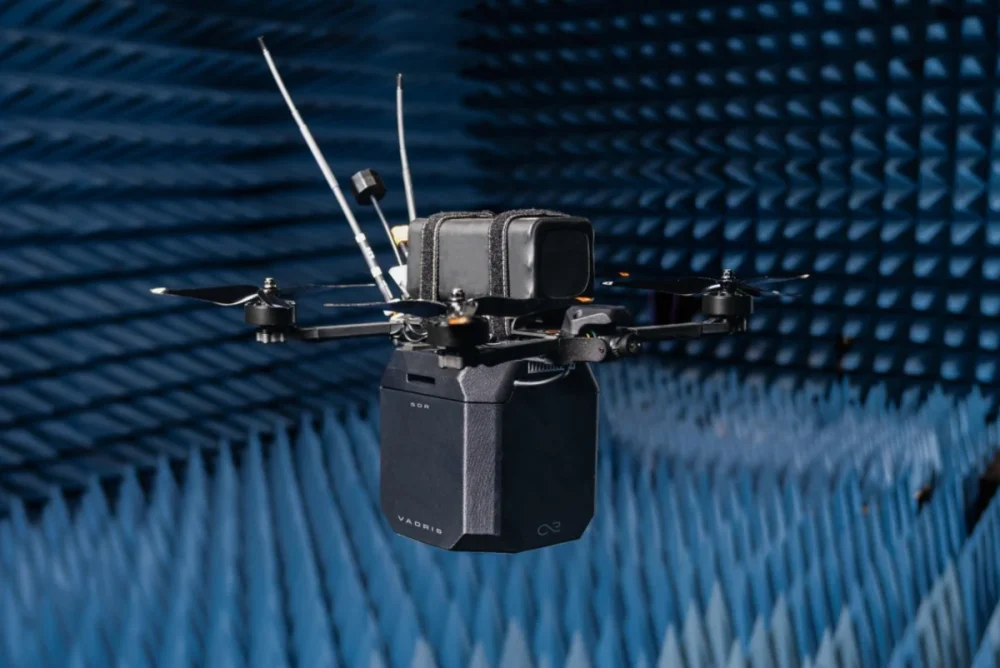
U.S. defense technology company CX2 has introduced a new version of Vadris, a small radio sensor for FPV drones that helps locate the source of the control signal of an enemy drone.
The new version is called Vadris SDR. Unlike the original system, which detected only the ExpressLRS protocol, it also supports TBS Crossfire and DJI OcuSync. CX2 says additional protocols can be added through software updates in the future without replacing the hardware.
Vadris is mounted directly on an FPV drone. The system detects radio activity, determines the direction of its source and provides the operator with directional cues over the video feed. This allows the pilot to steer the drone toward the transmitter — the ground station or the operator of an enemy UAV.
CX2 describes the concept with the phrase “Hunt the Archer, Not the Arrow.” Instead of pursuing the enemy drone itself, the system helps locate the person controlling it.
According to the company, more than 450 Vadris systems have already been delivered to the U.S. Department of War. At the same time, CX2 has not disclosed which units received the systems, how they have been used, or whether anyone has ordered the new Vadris SDR version. The company also did not provide a price, detection range or delivery date for the new version.
The update addresses the situation on the battlefield in Ukraine, where both sides rapidly change radio systems, frequencies and drone control protocols in an effort to stay ahead of jamming and detection. However, Vadris has a limitation: drones controlled via fiber-optic cable do not transmit the control radio signal that such a sensor could track.