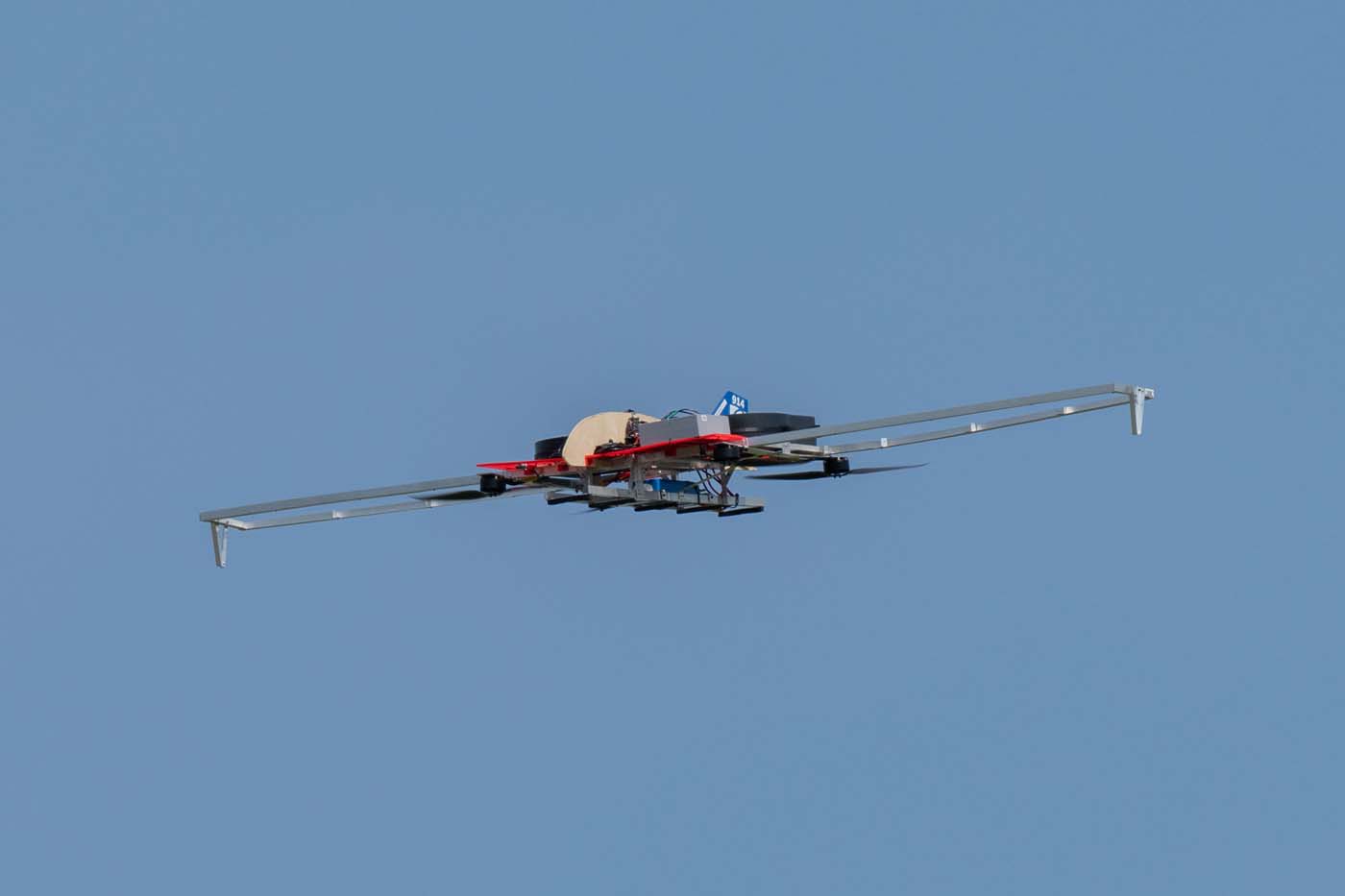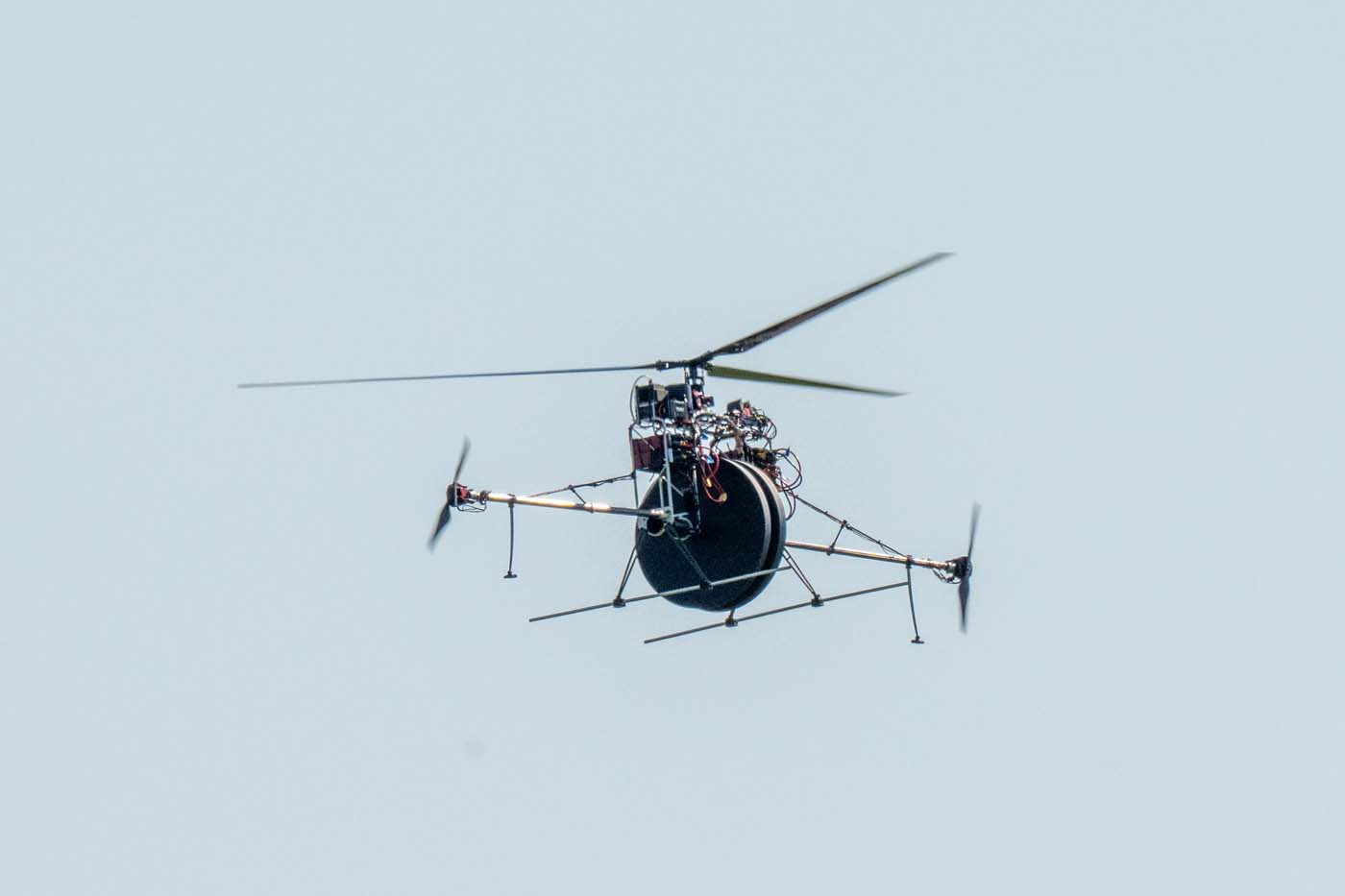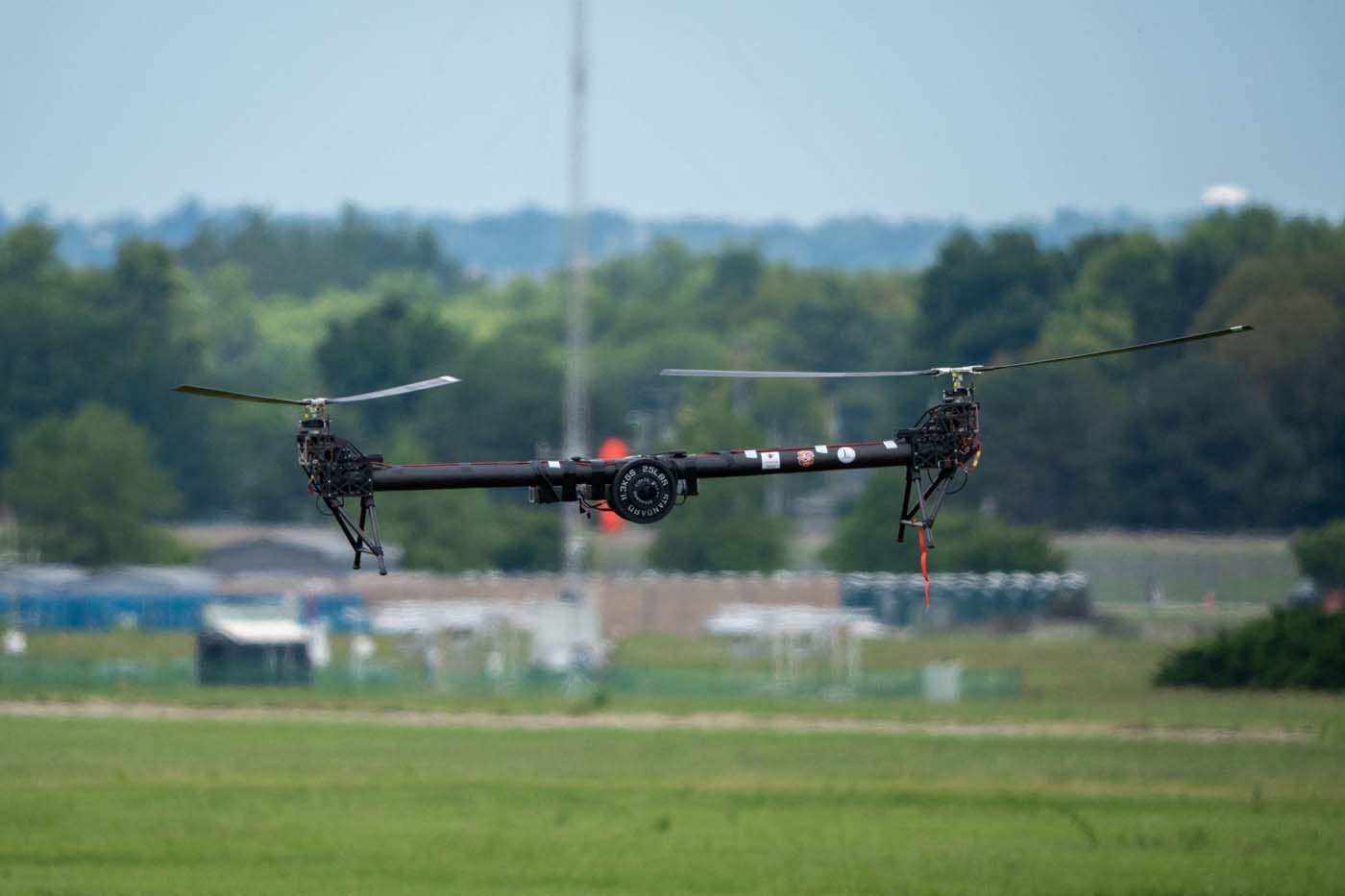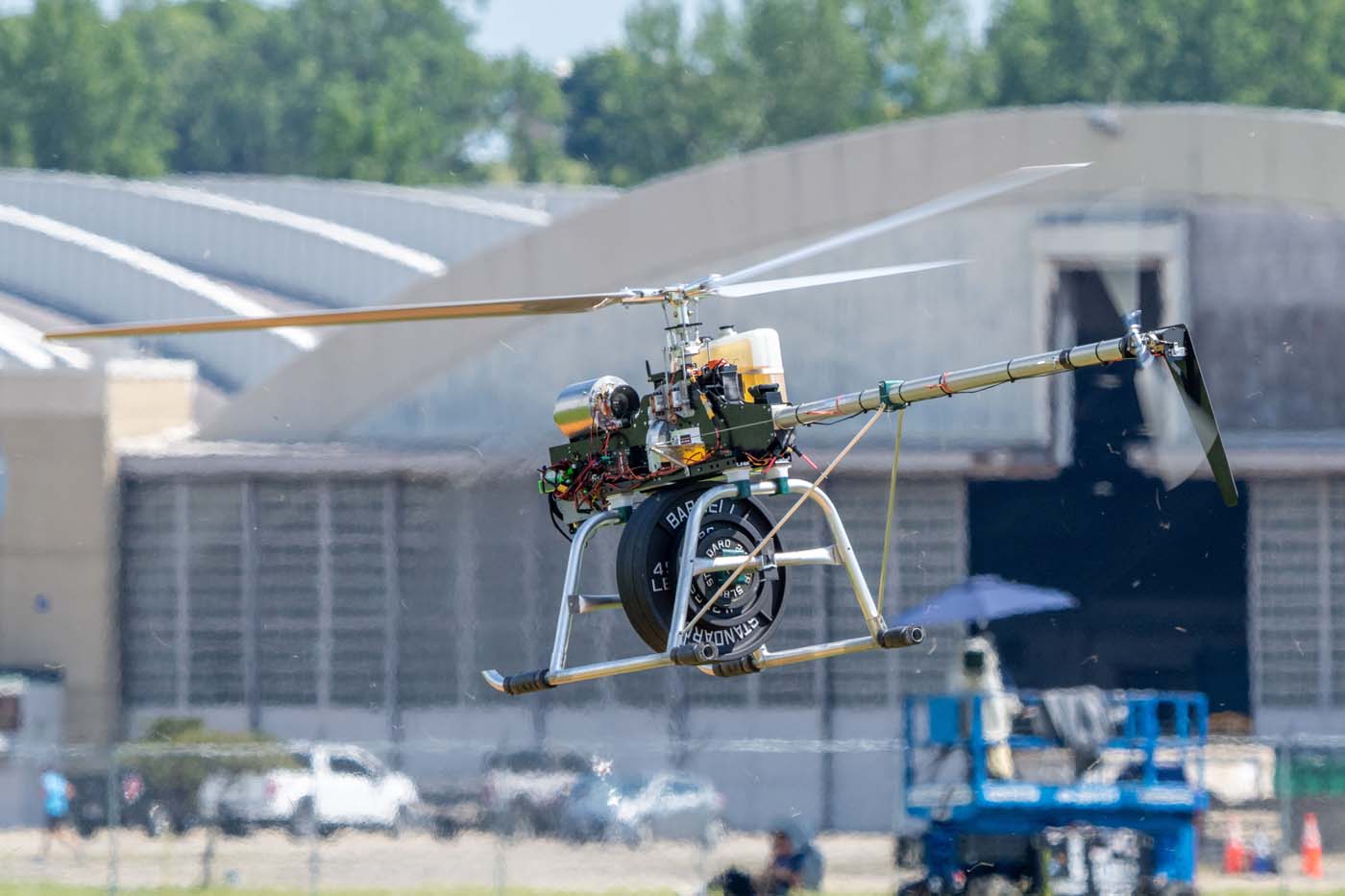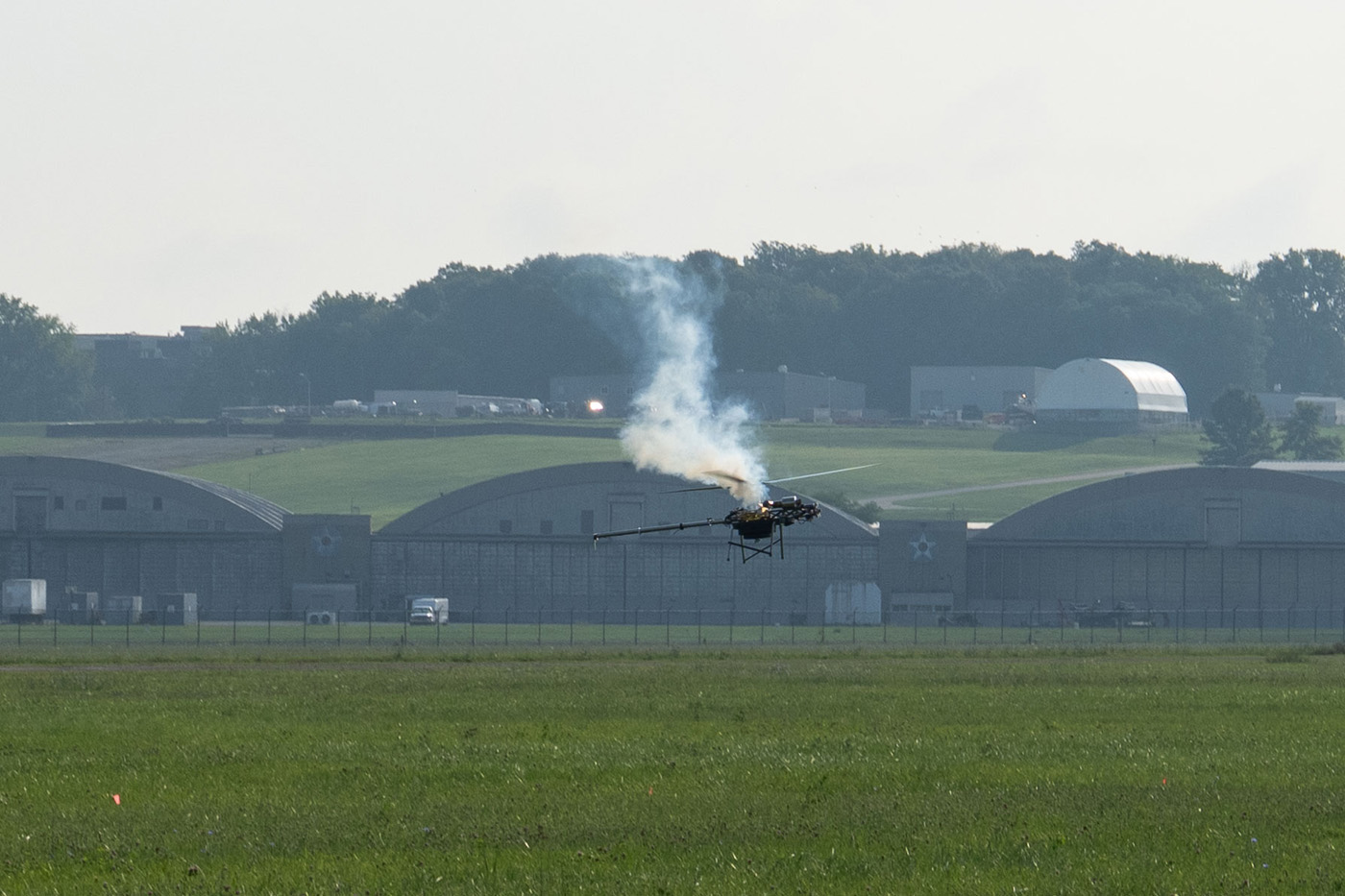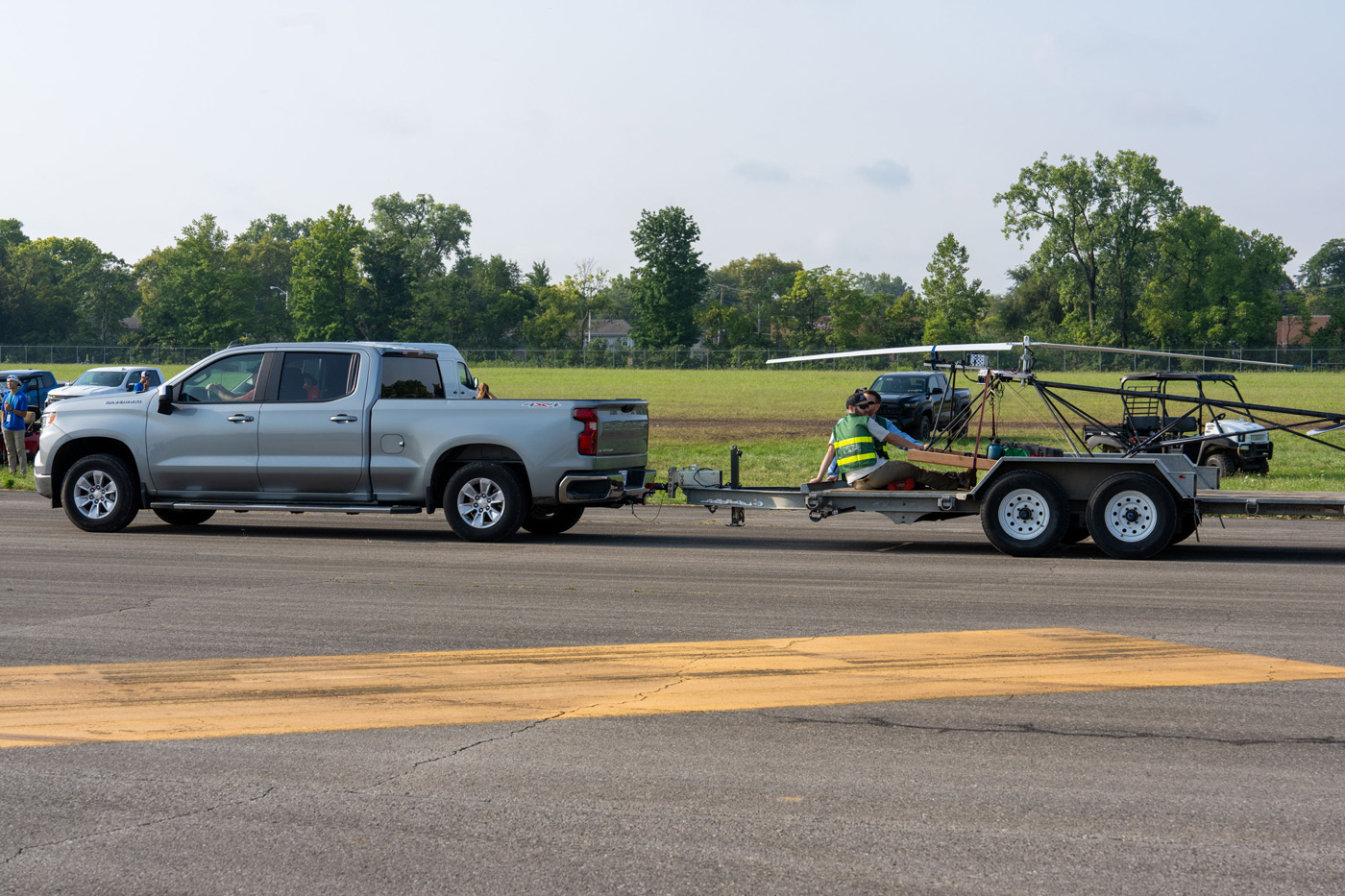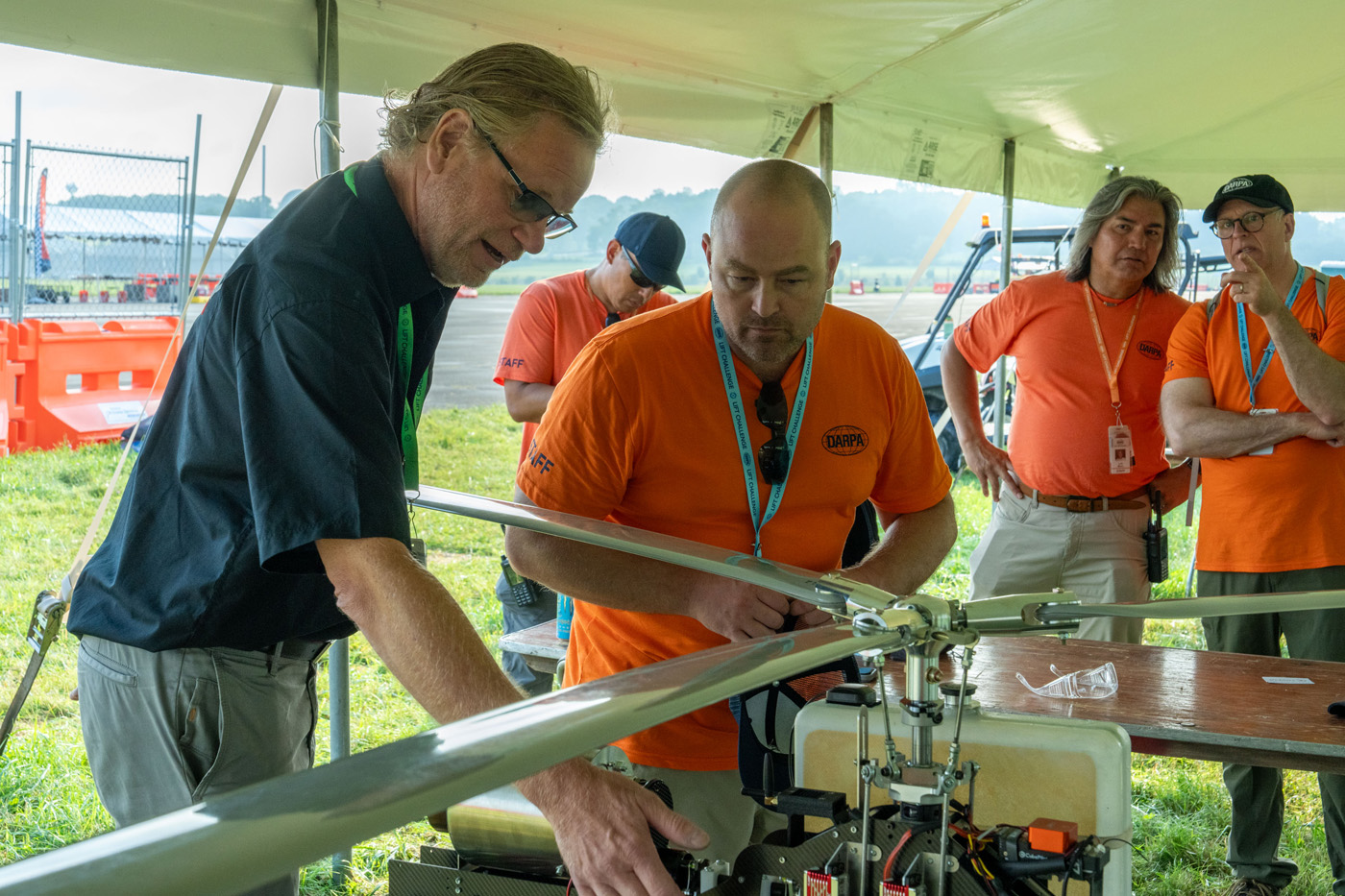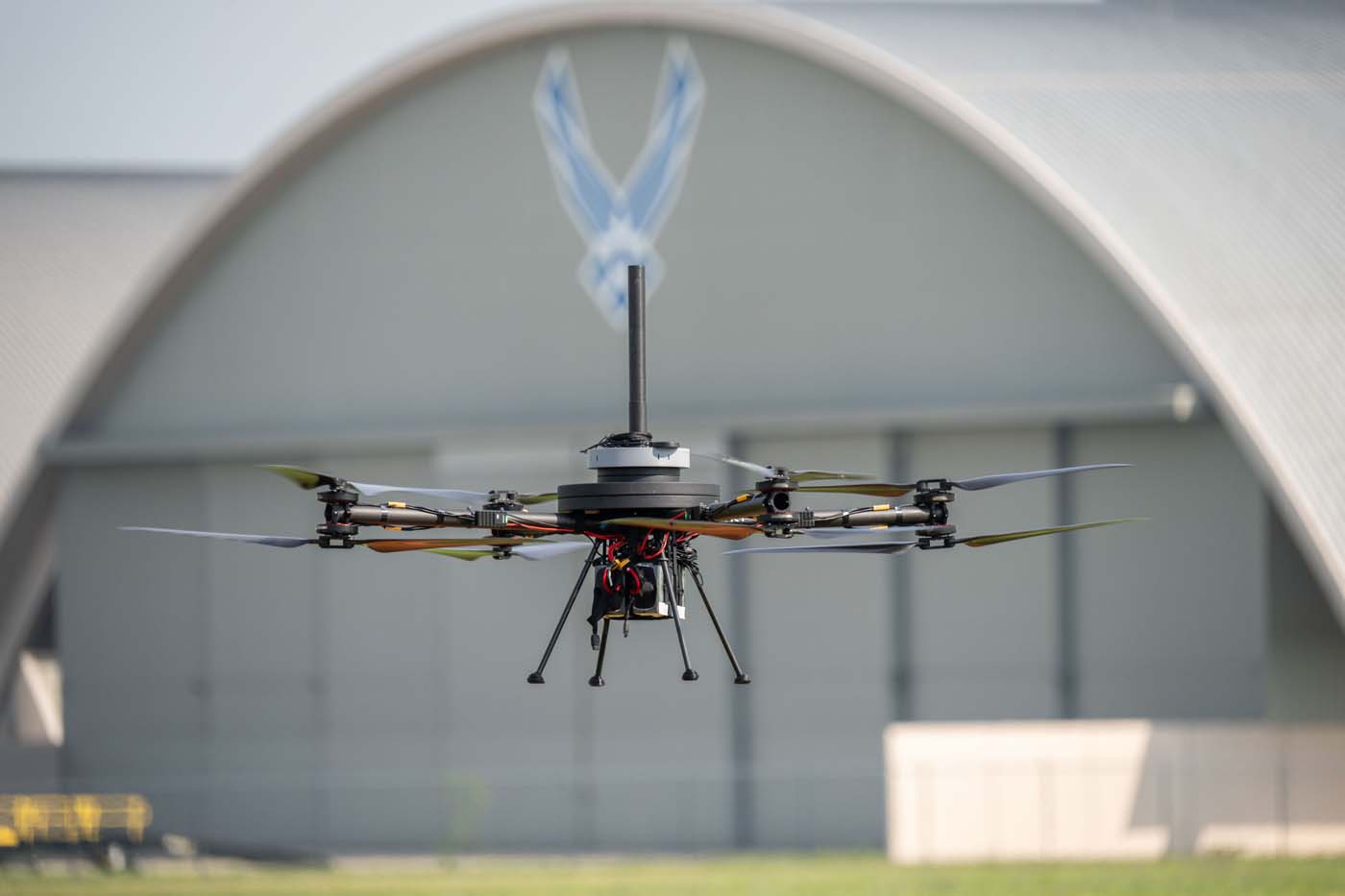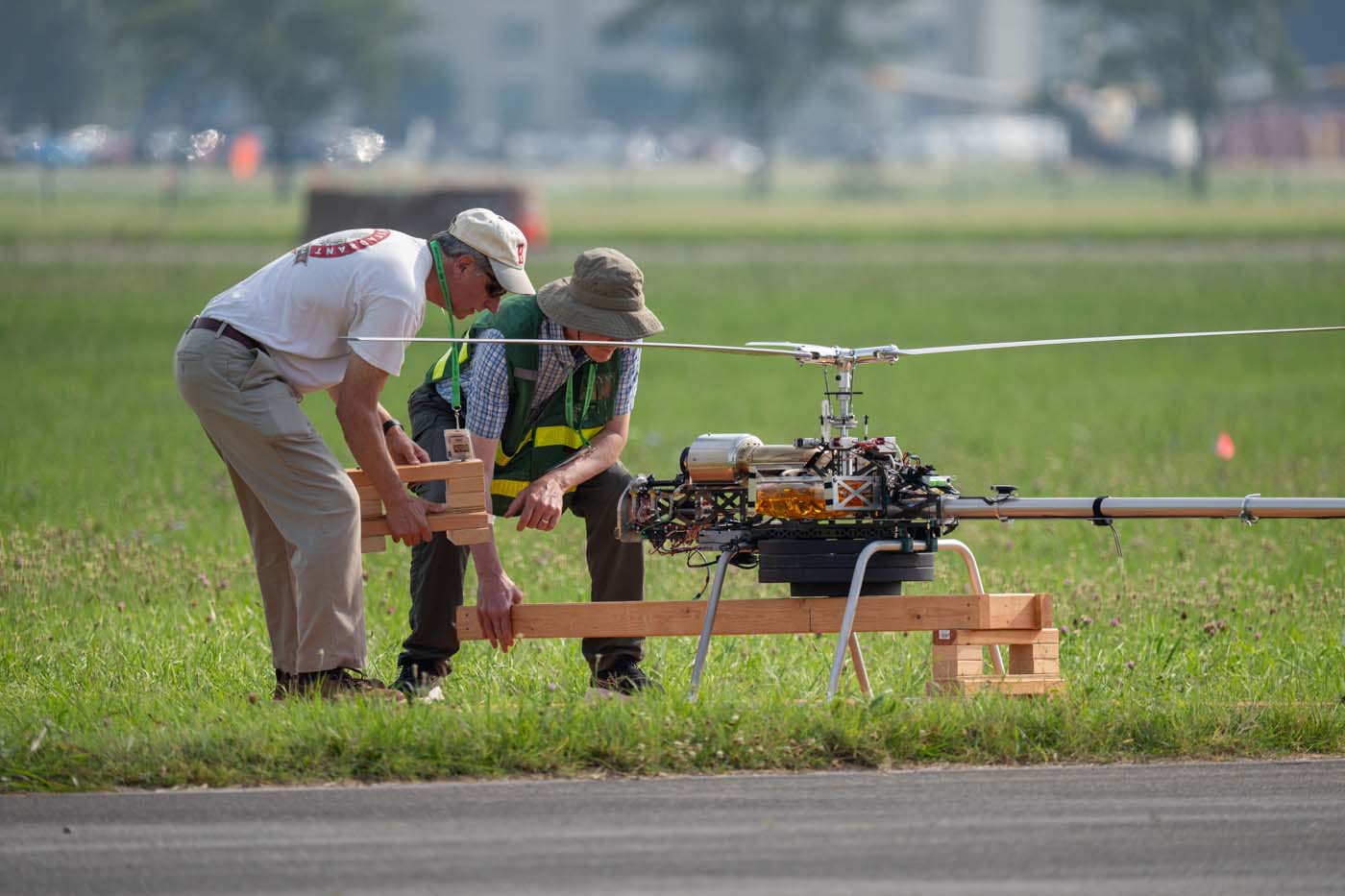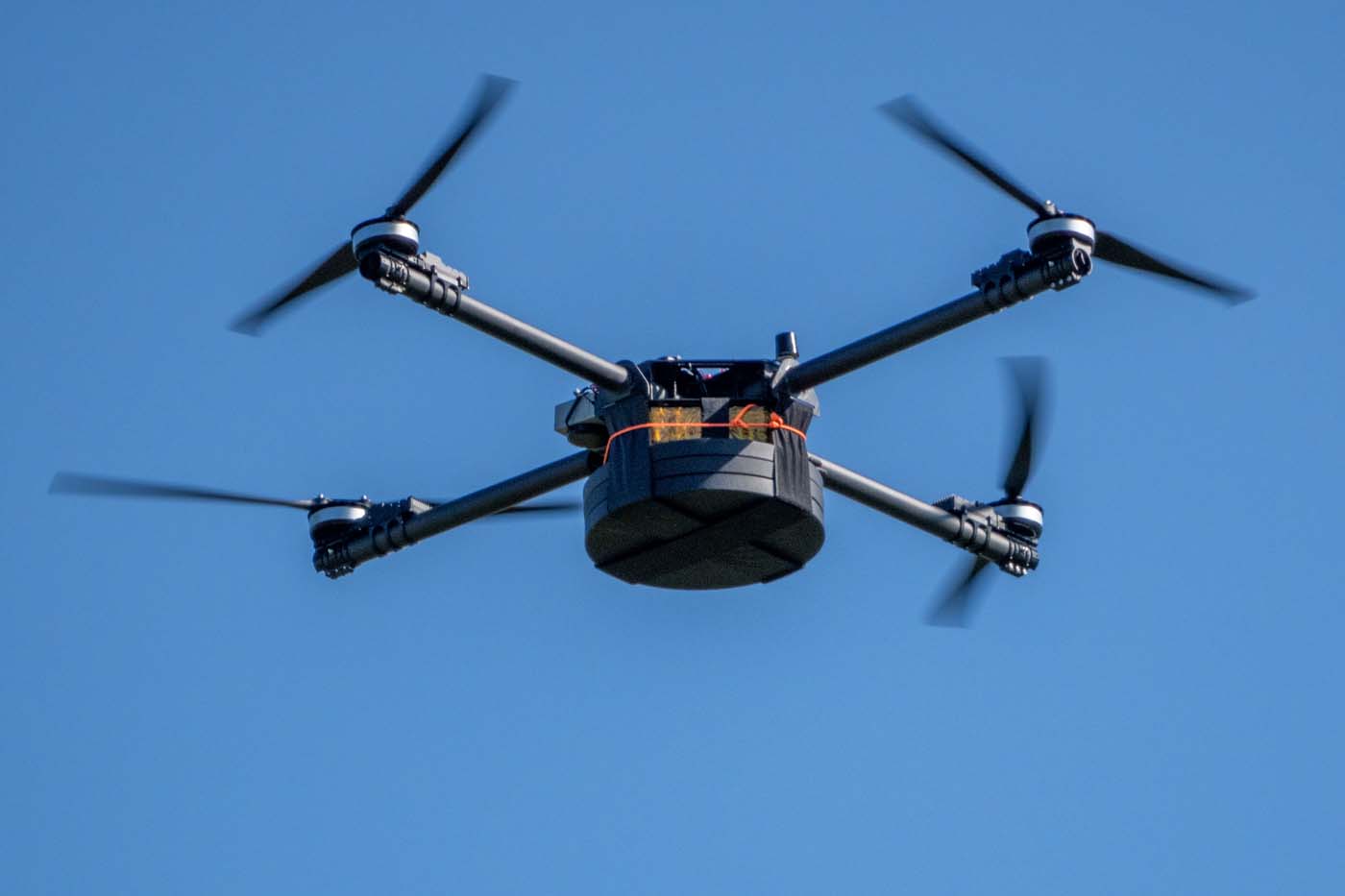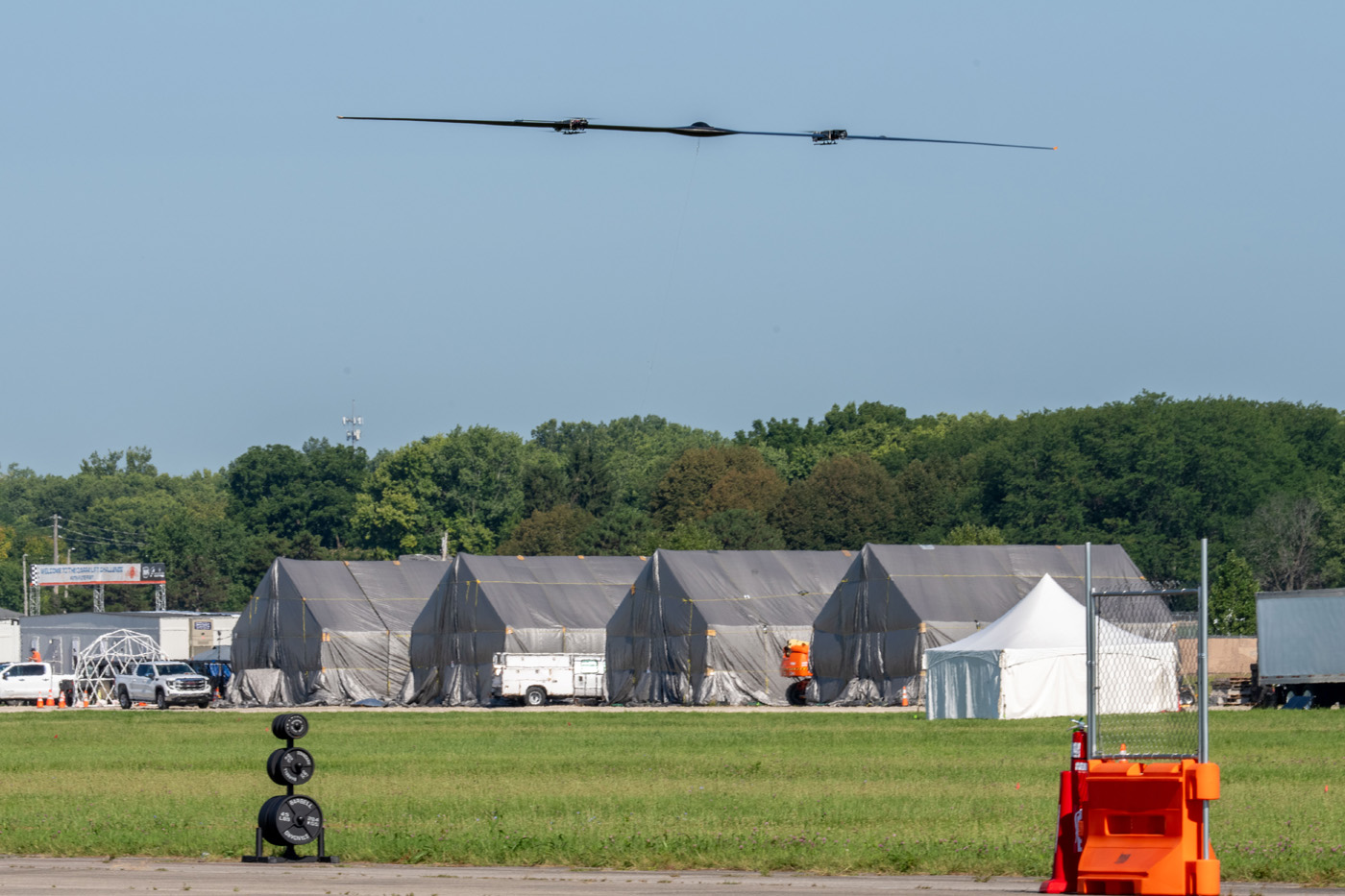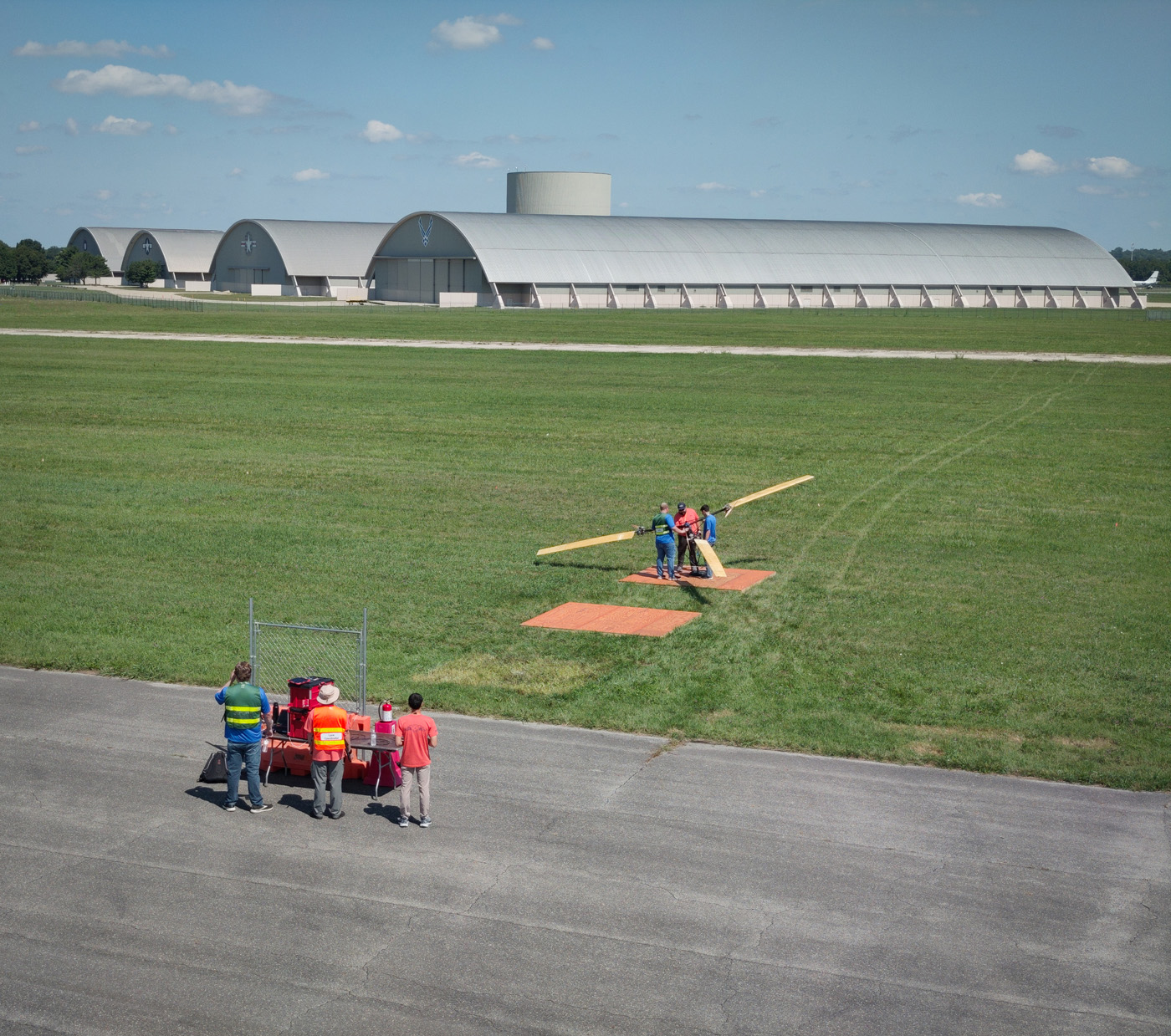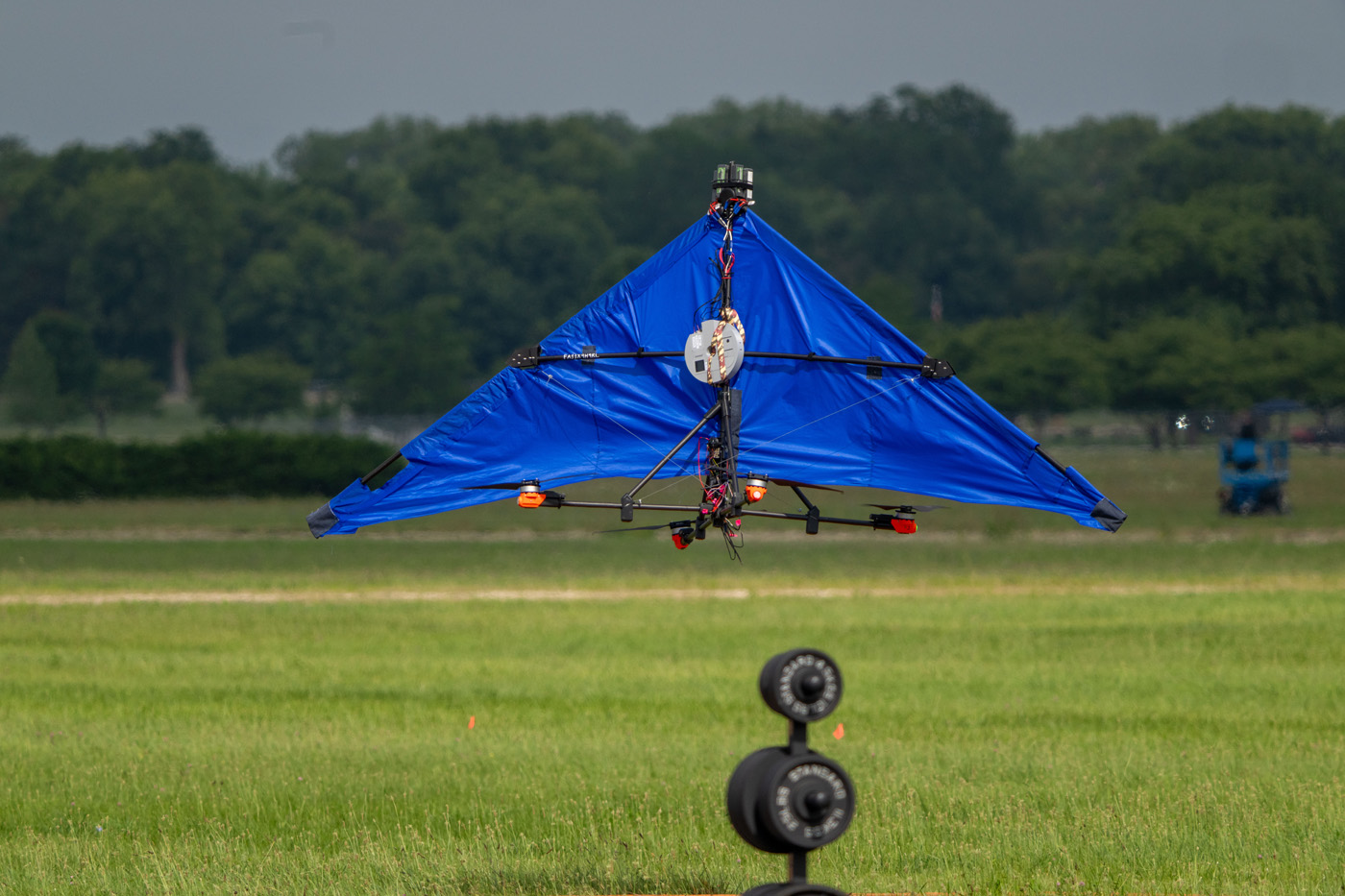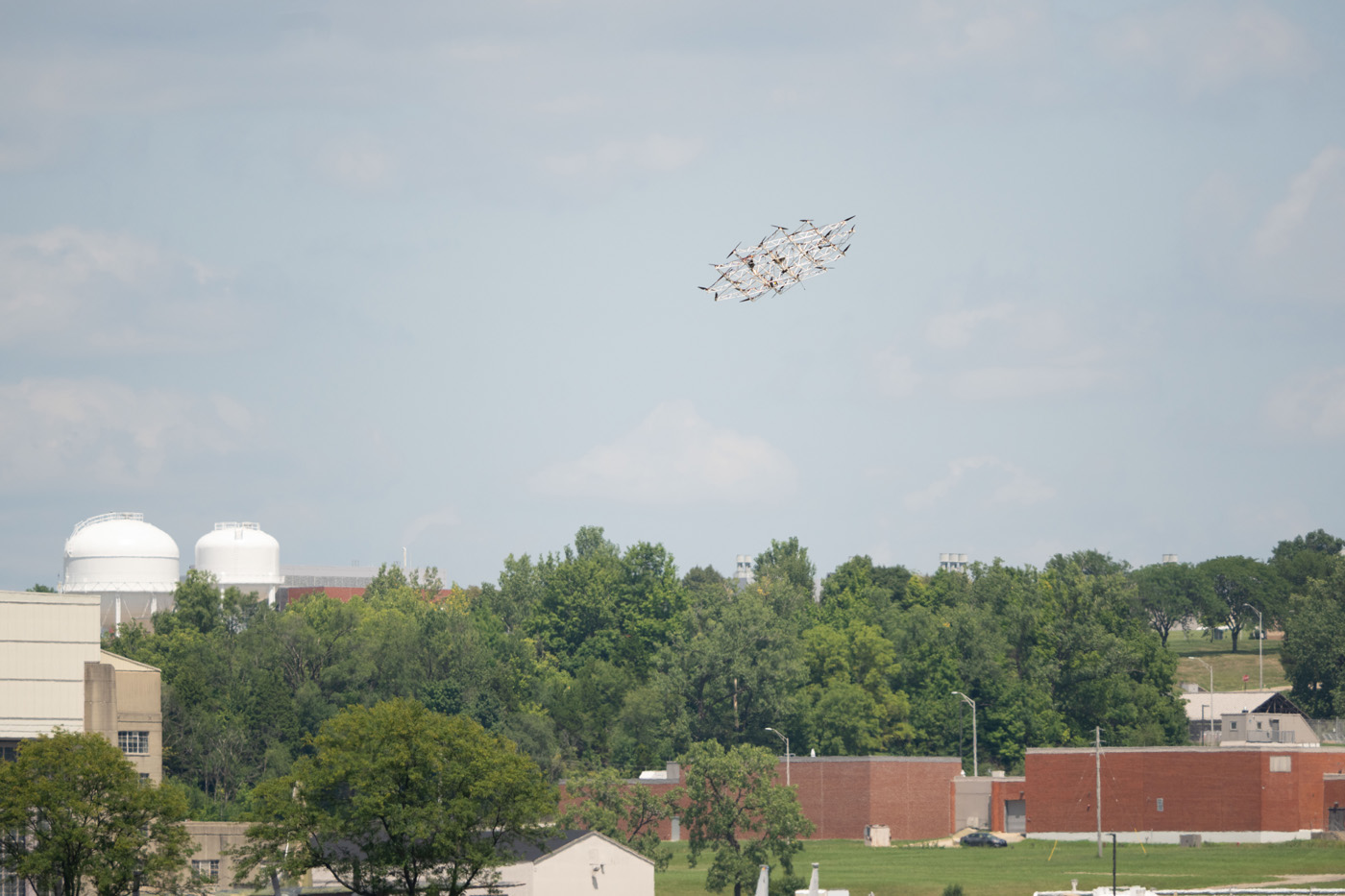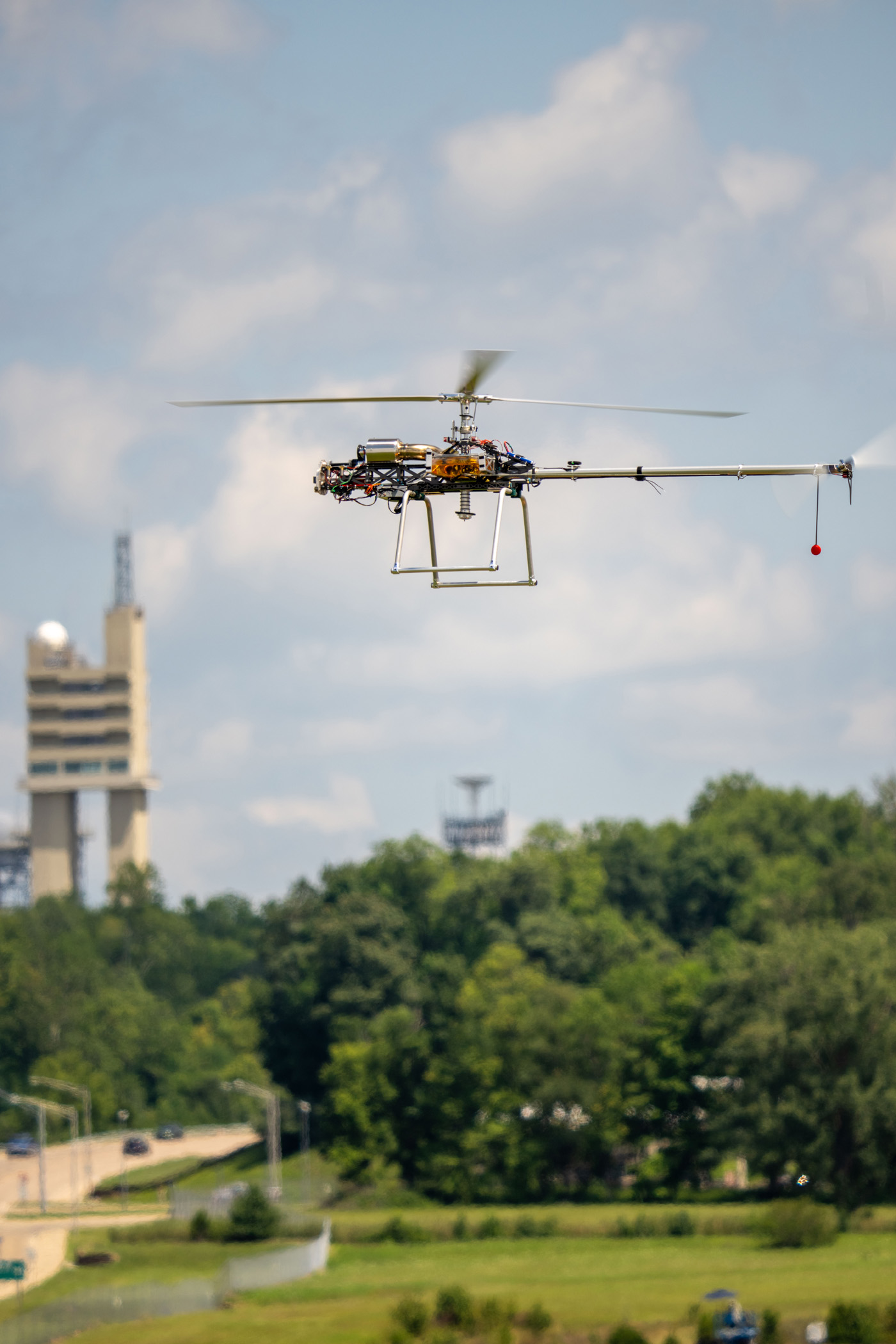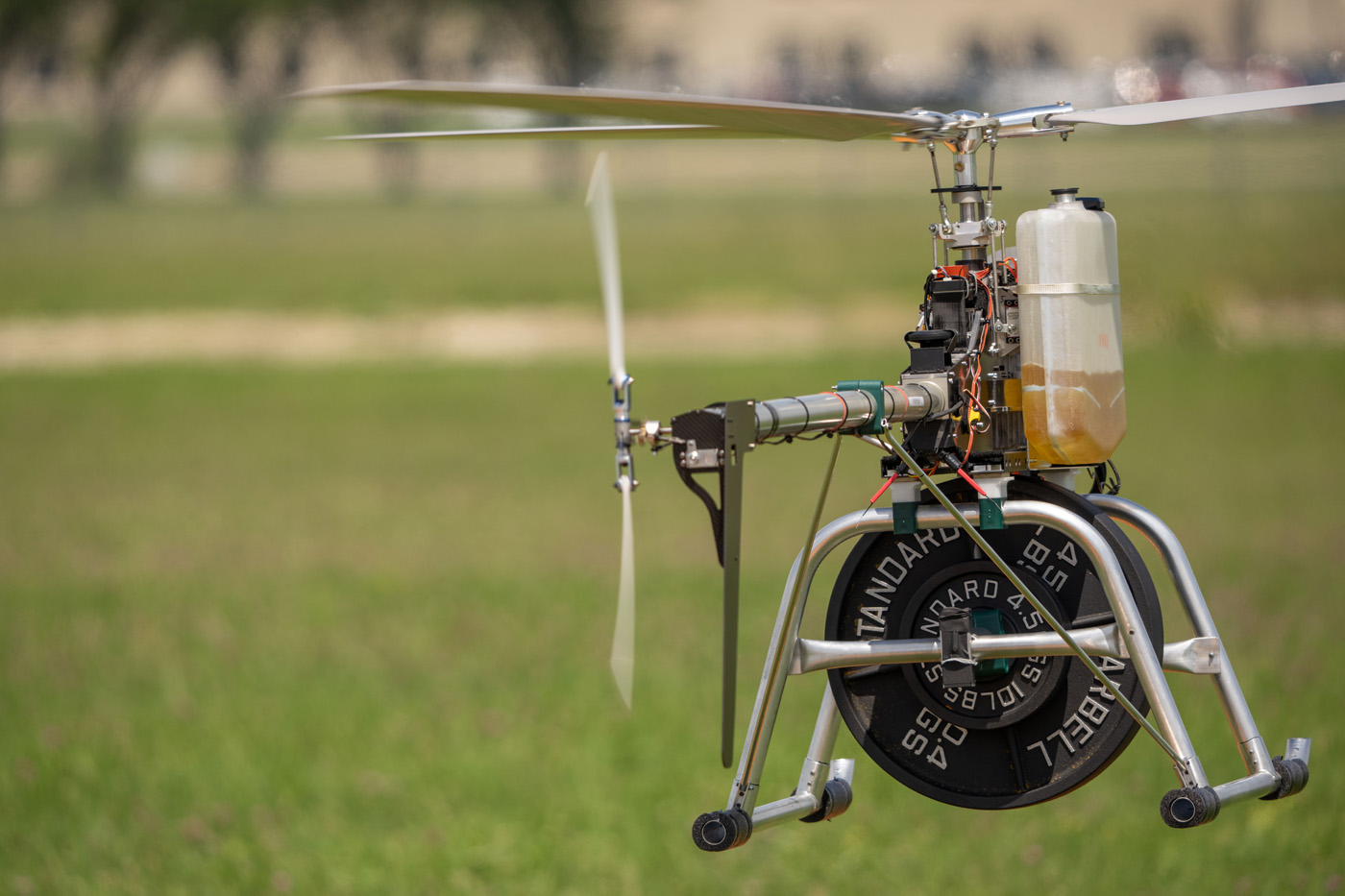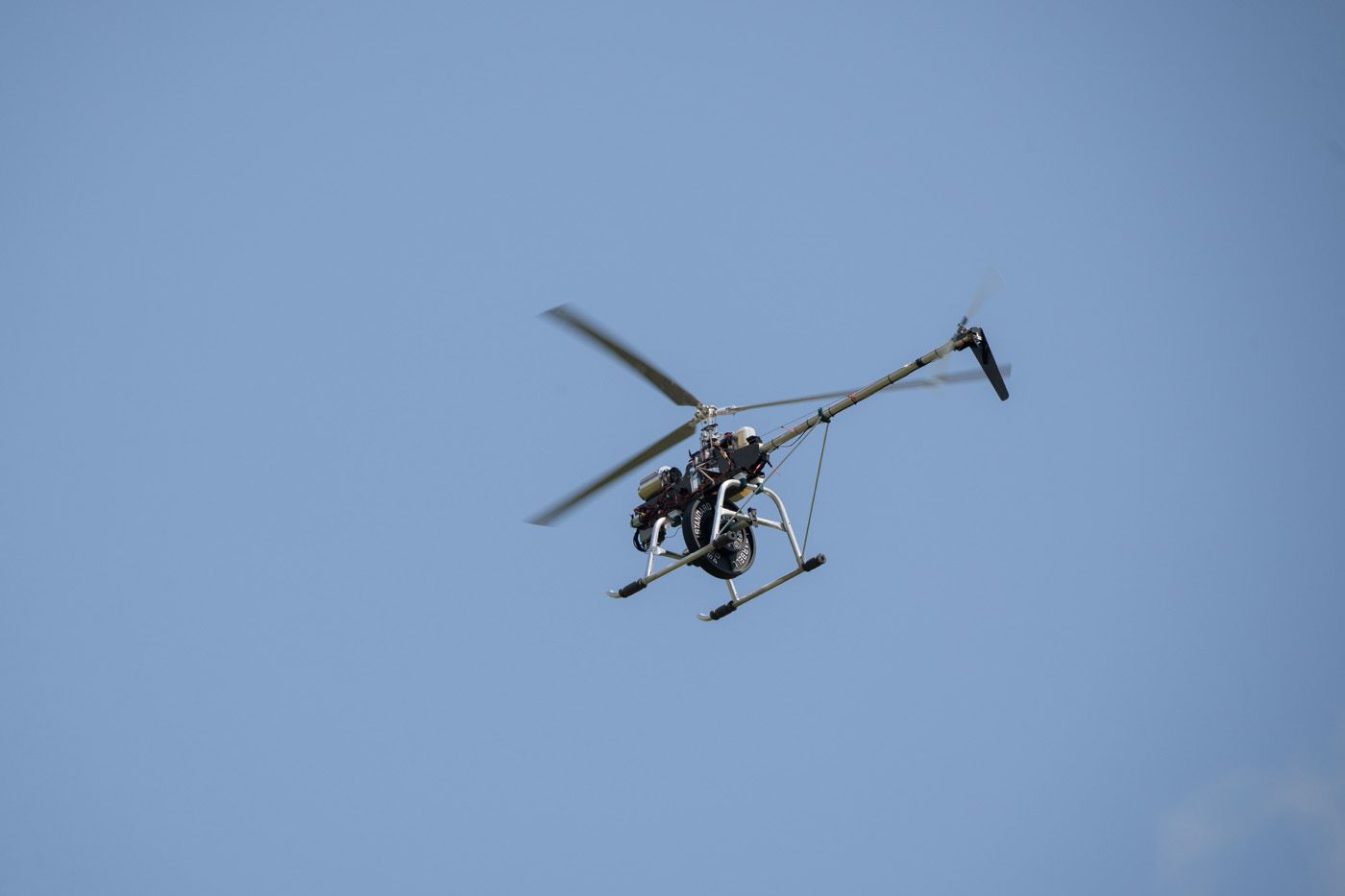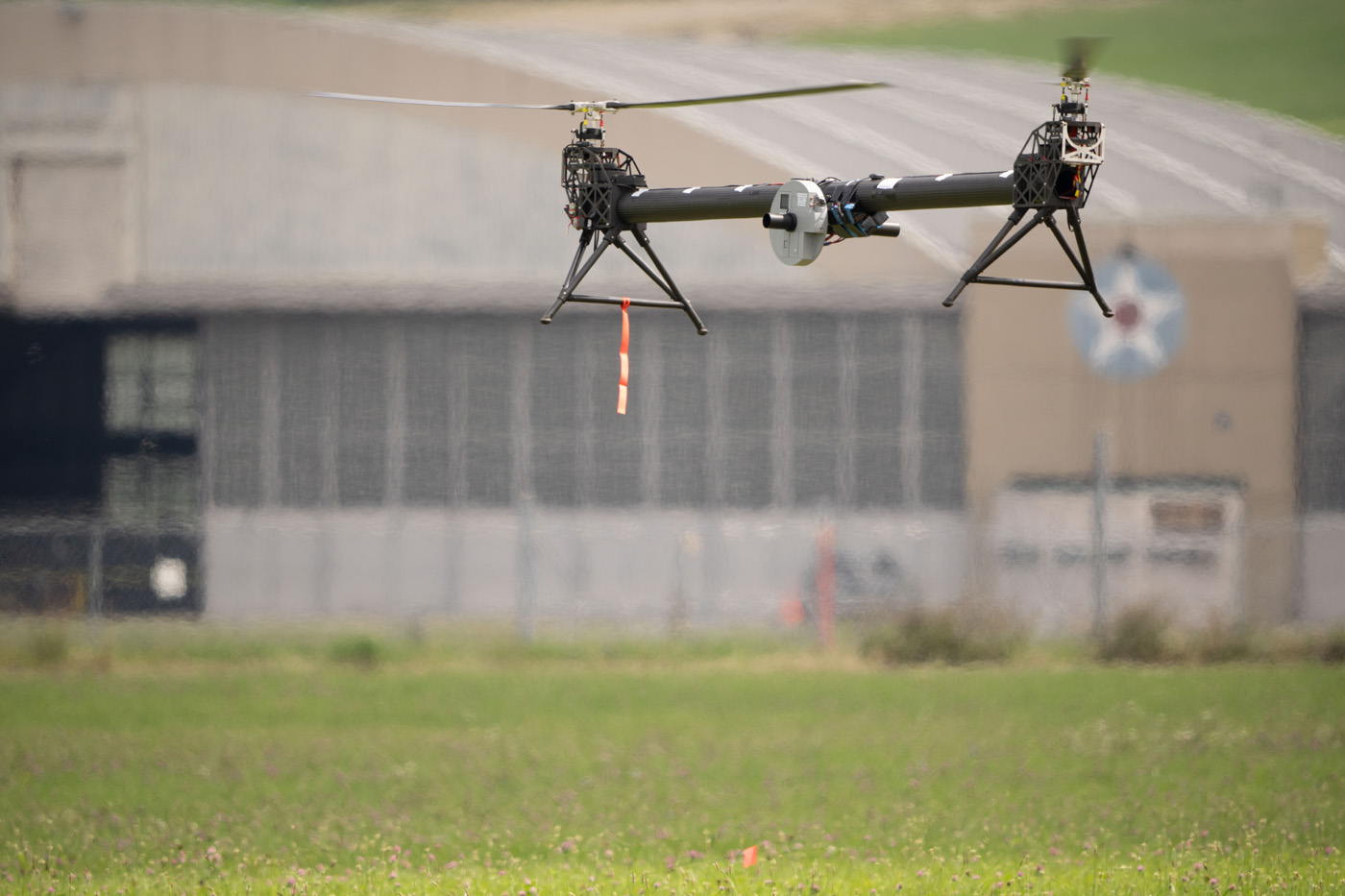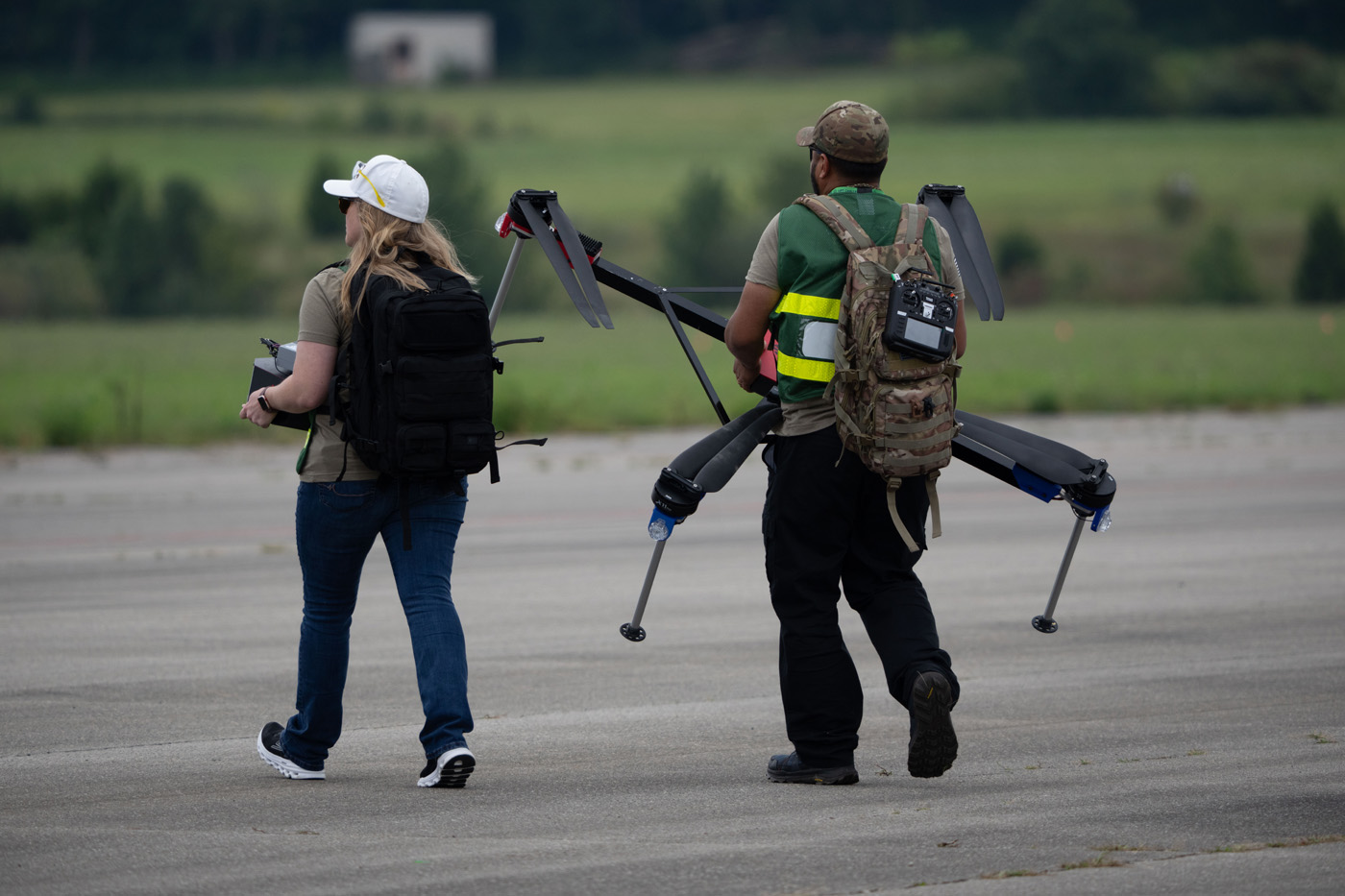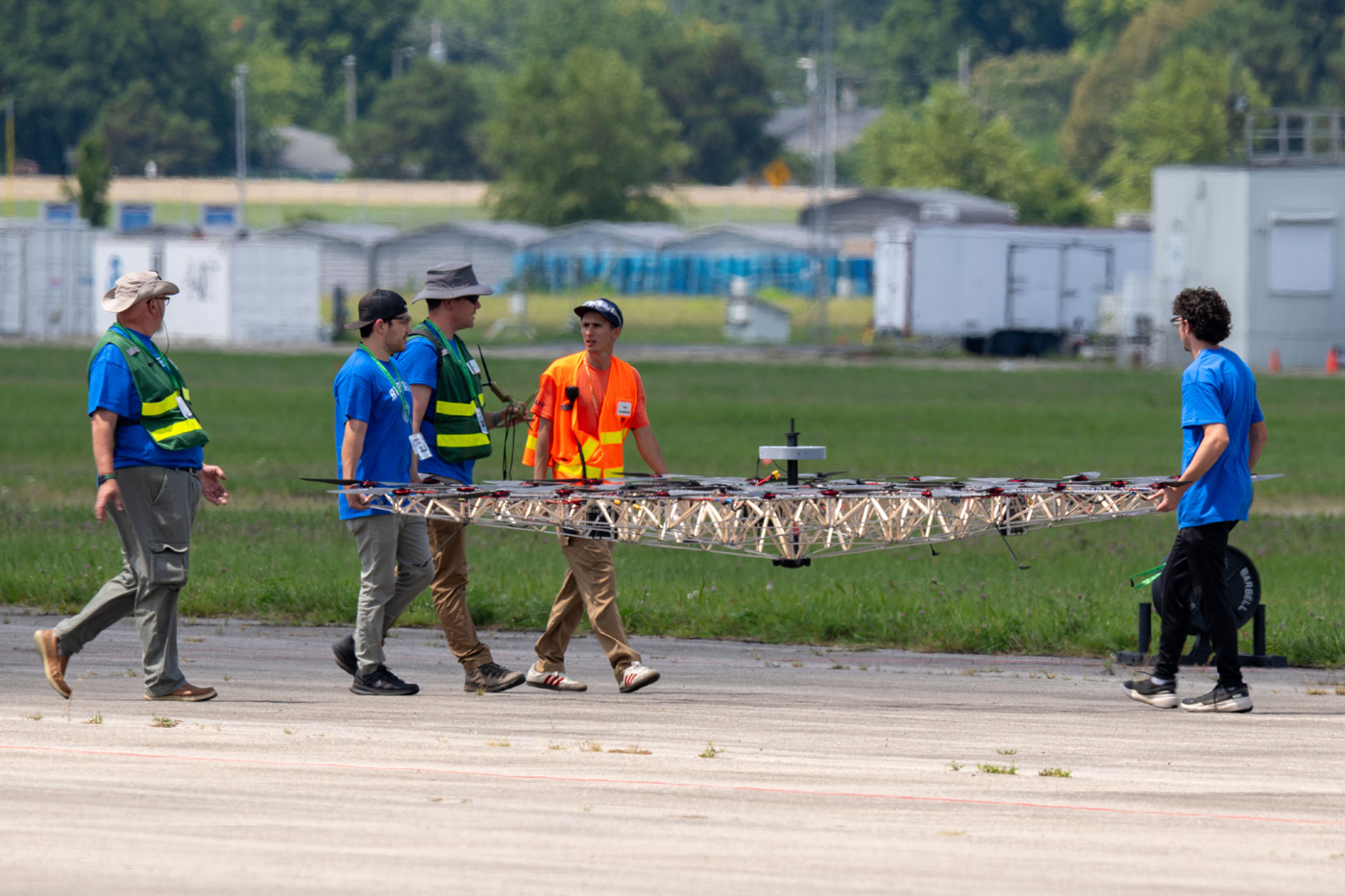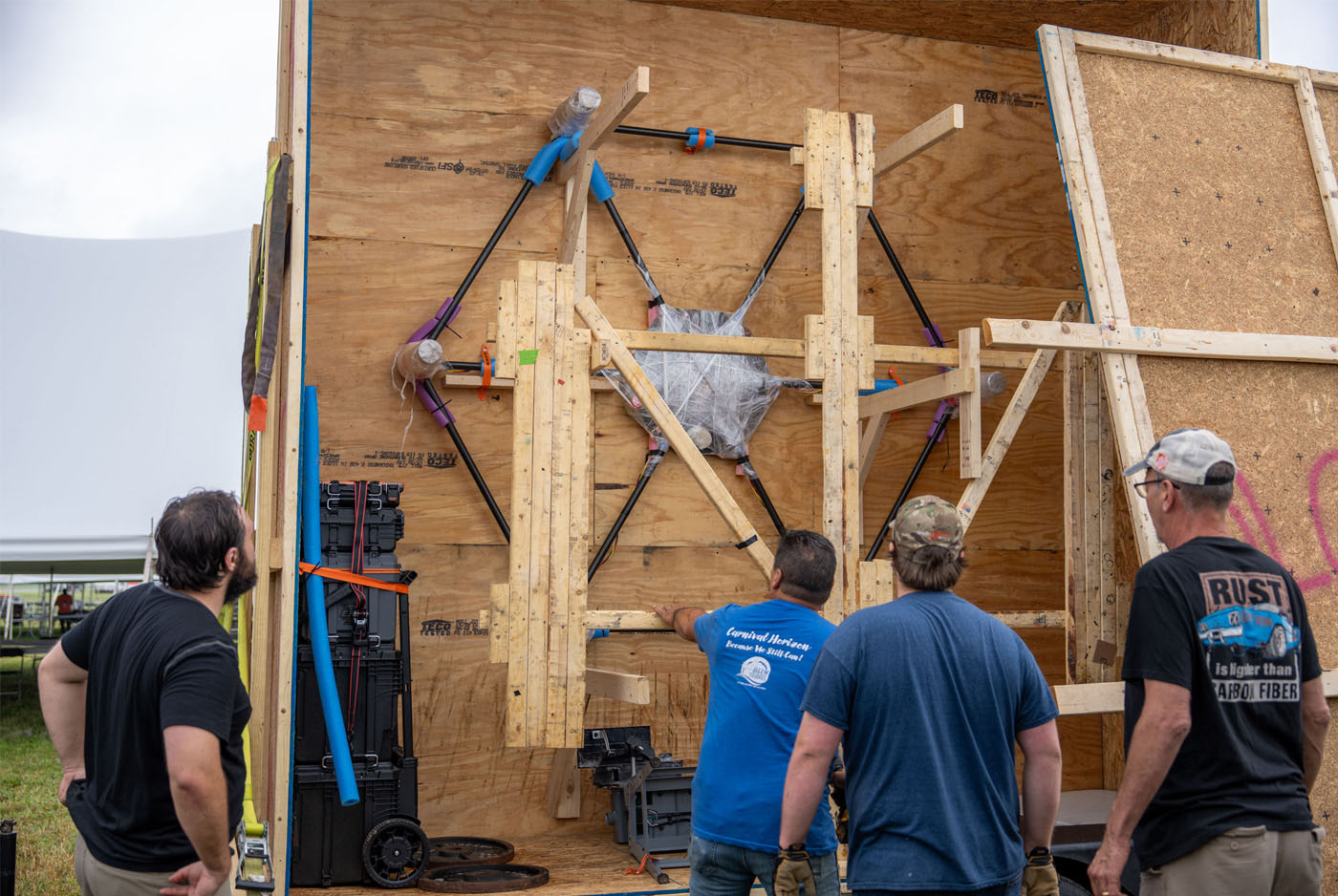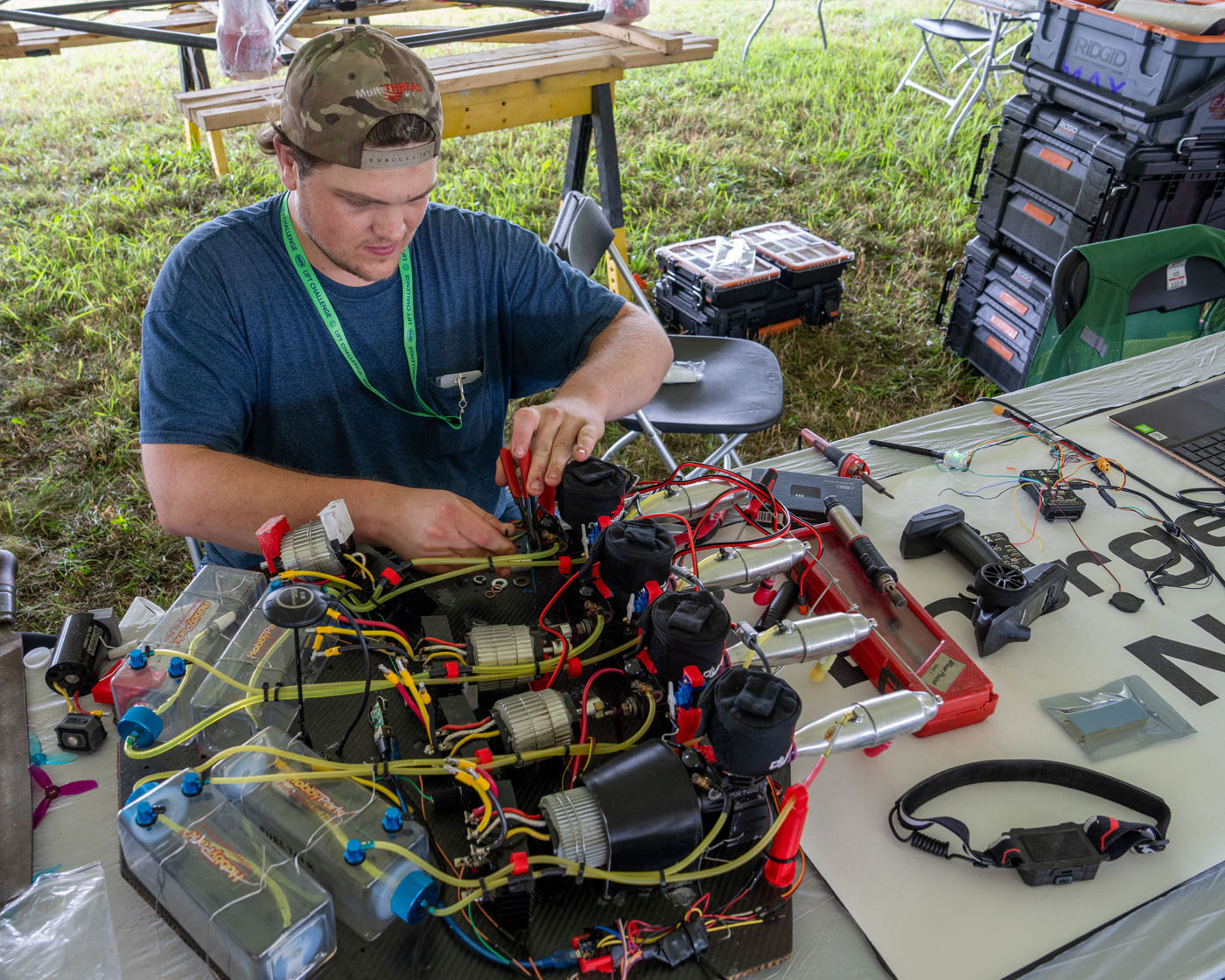
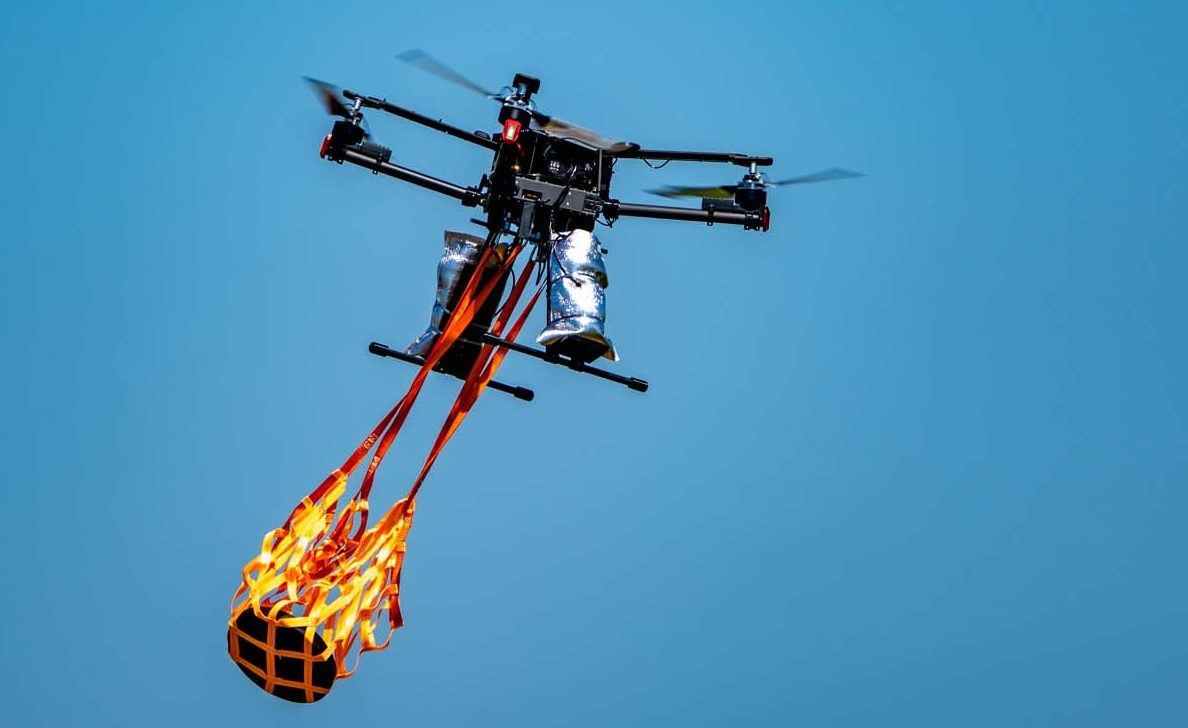
The Defense Advanced Research Projects Agency (DARPA) concluded its Lift Challenge at the National Museum of the U.S. Air Force on August 9, establishing new benchmarks for heavy-lift vertical unmanned aerial systems (UAS). The competition aimed to overcome current multirotor payload limitations, where standard platforms typically achieve payload-to-weight ratios of 1:1 or less, by targeting architectures capable of carrying payloads exceeding four times their vehicle weight.
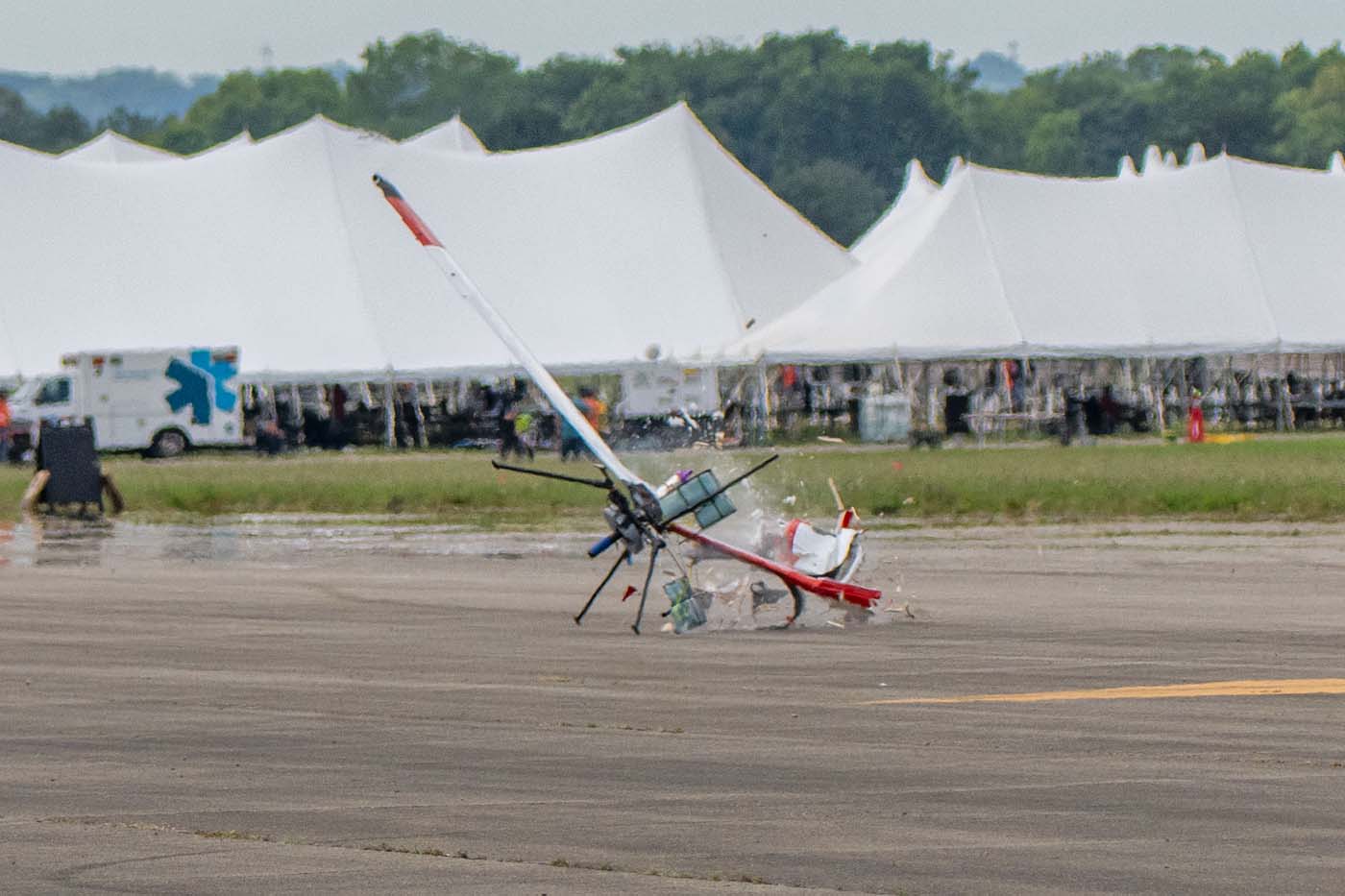
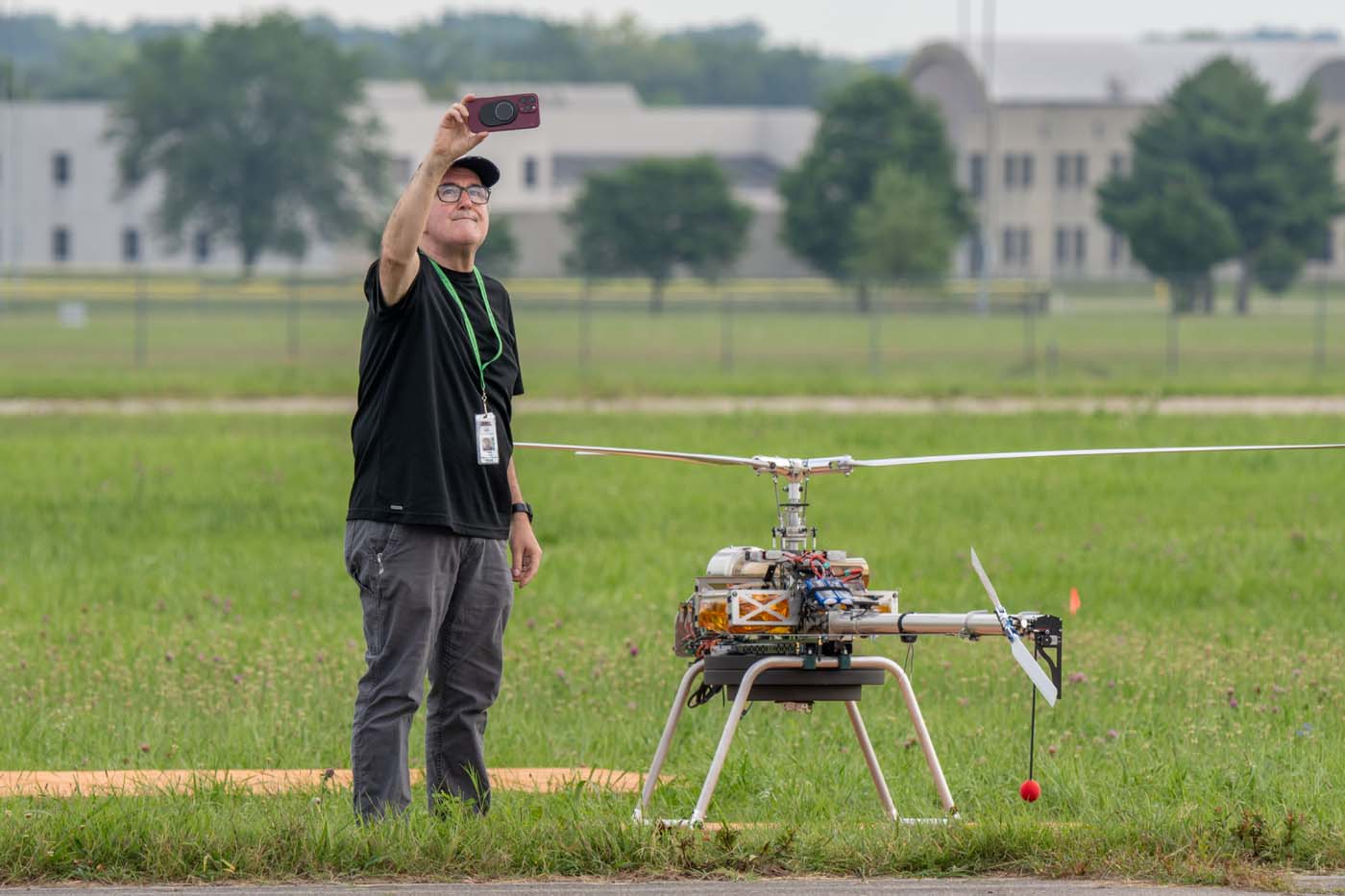
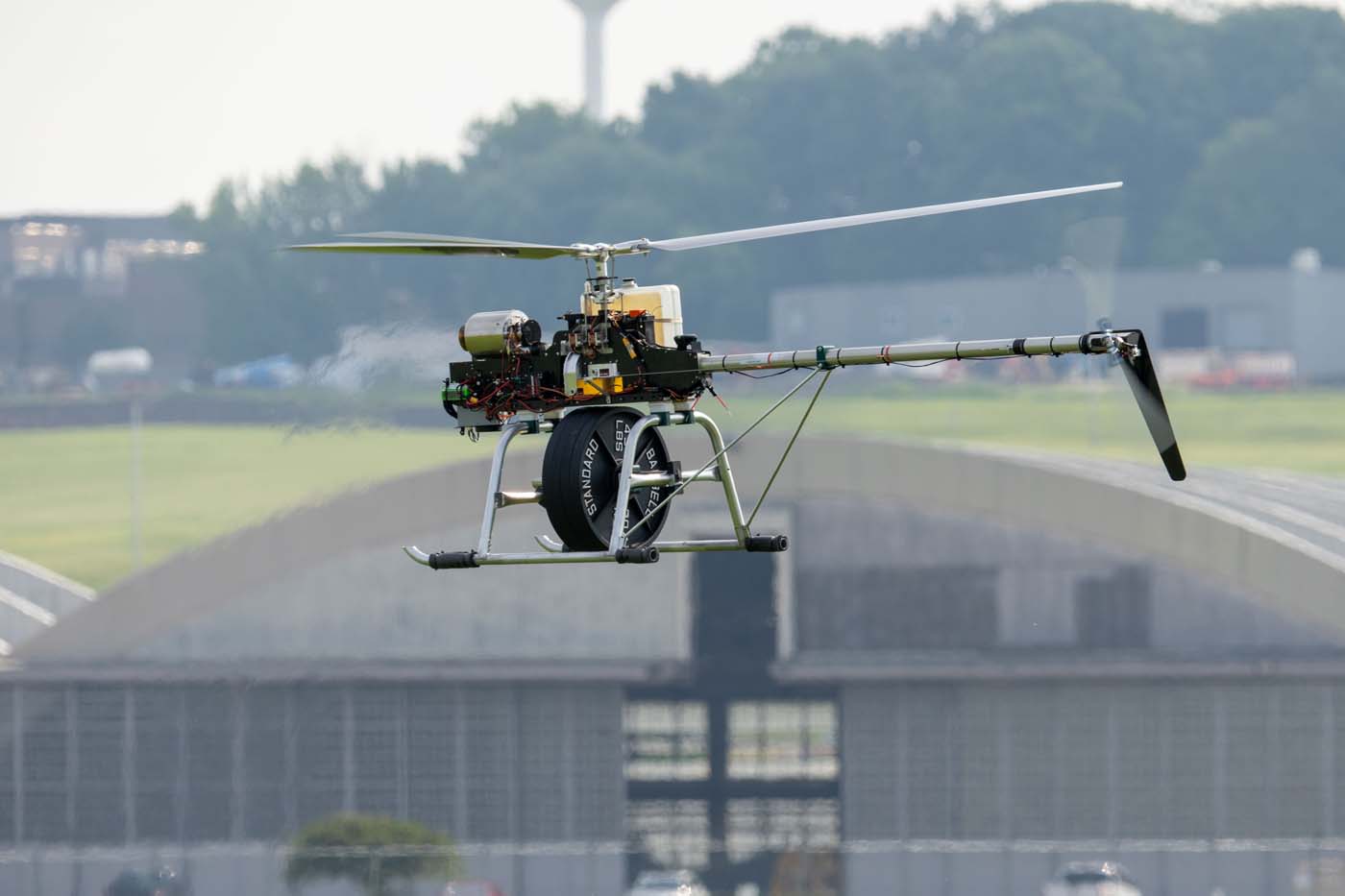
Out of 489 initial applicants, 132 teams were invited, and 62 cleared final safety inspections, culminating in 70 official competition flights. AVIDrone, Inc. secured first place in the objective payload category, achieving a 3.84:1 payload-to-weight ratio with an electric helicopter design and earning a $1,250,000 prize. MTech Operations, LLC placed second with a 3.64:1 ratio ($750,000), while Xtreme Aerial Concepts finished third with a 3.45:1 ratio ($500,000). Because no team reached the 4:1 baseline threshold, objective prize purses were awarded at half value according to competition rules.
DARPA program managers also awarded subjective category honors for technical innovation:
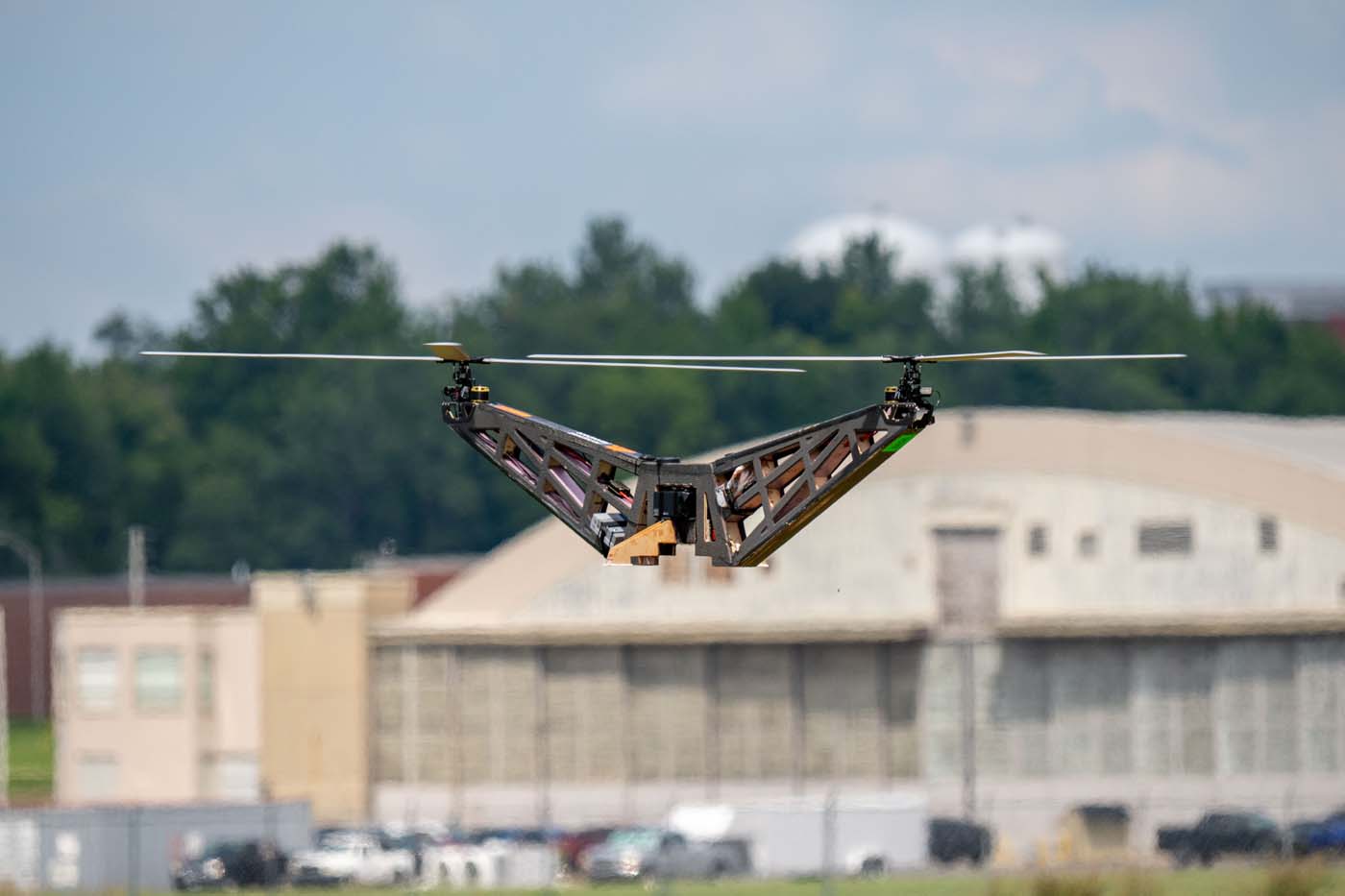
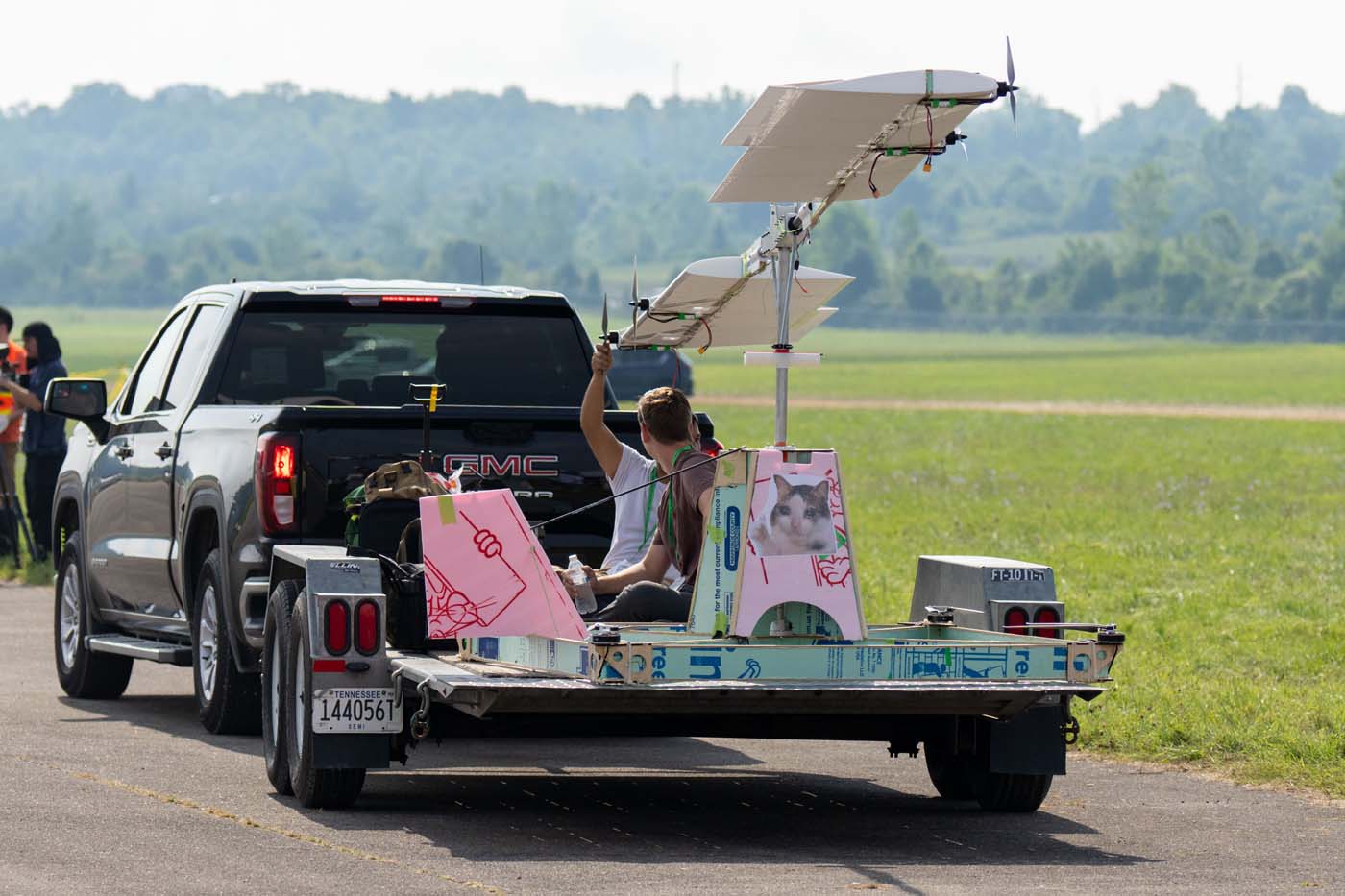
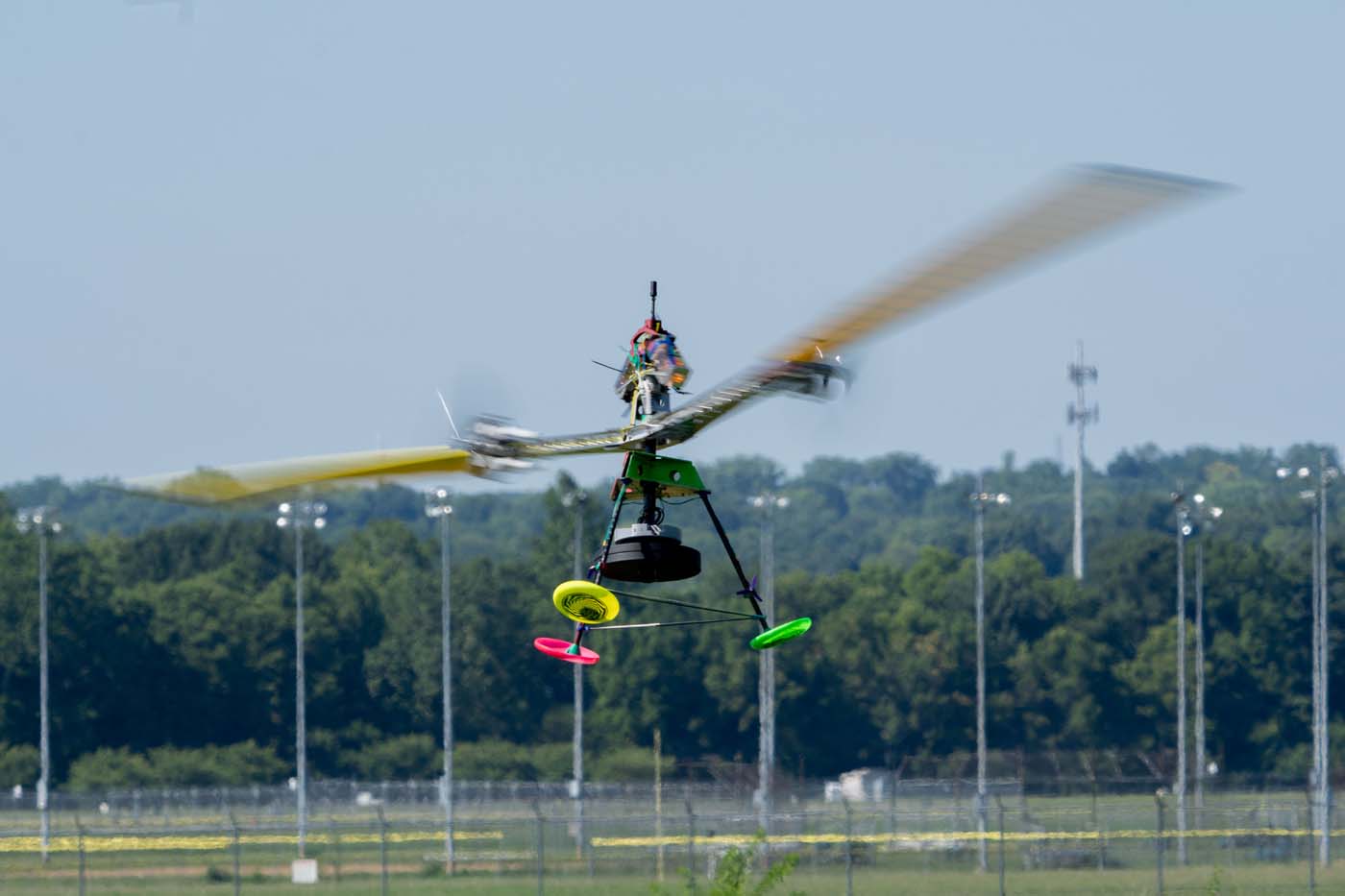
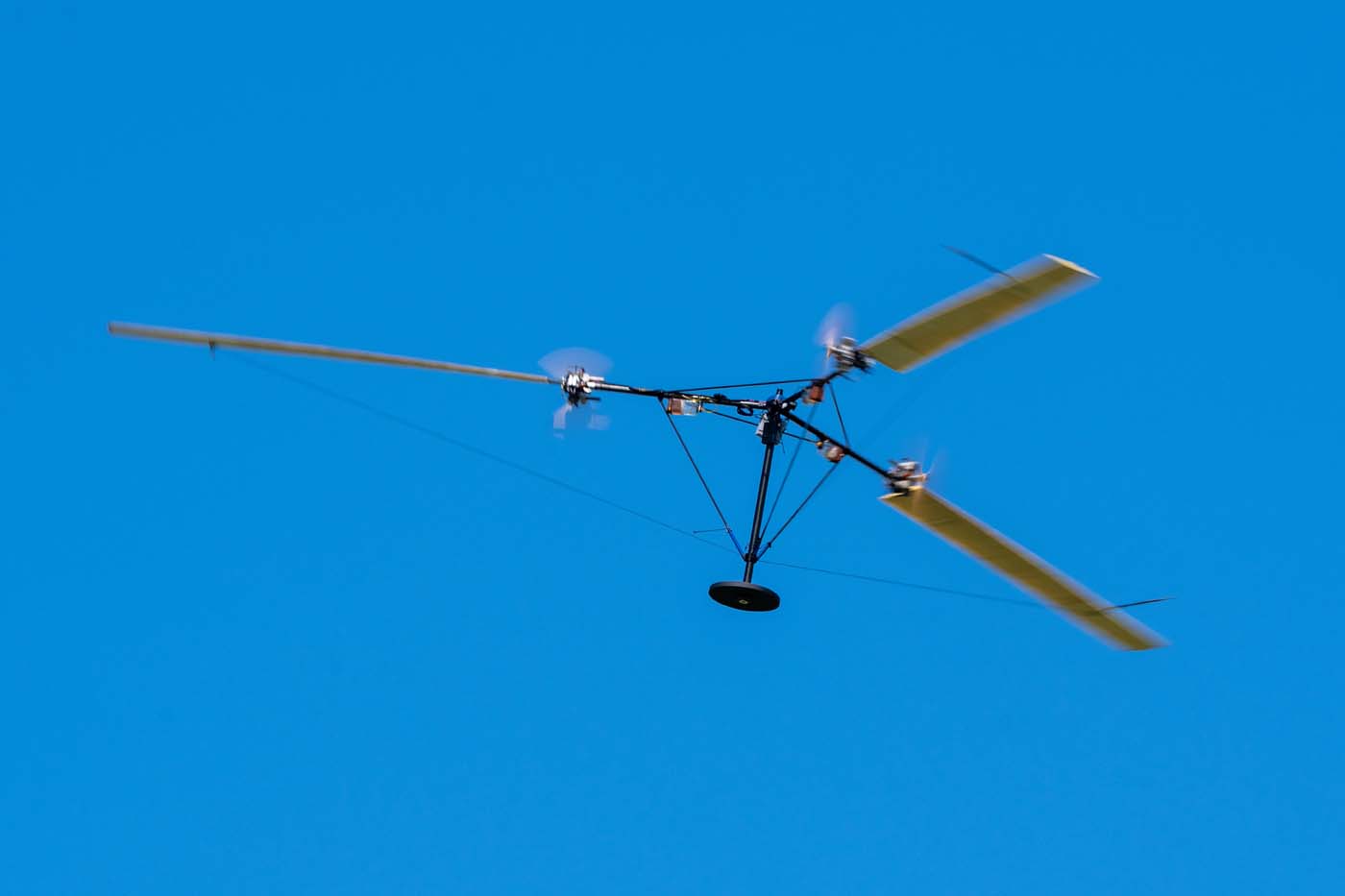
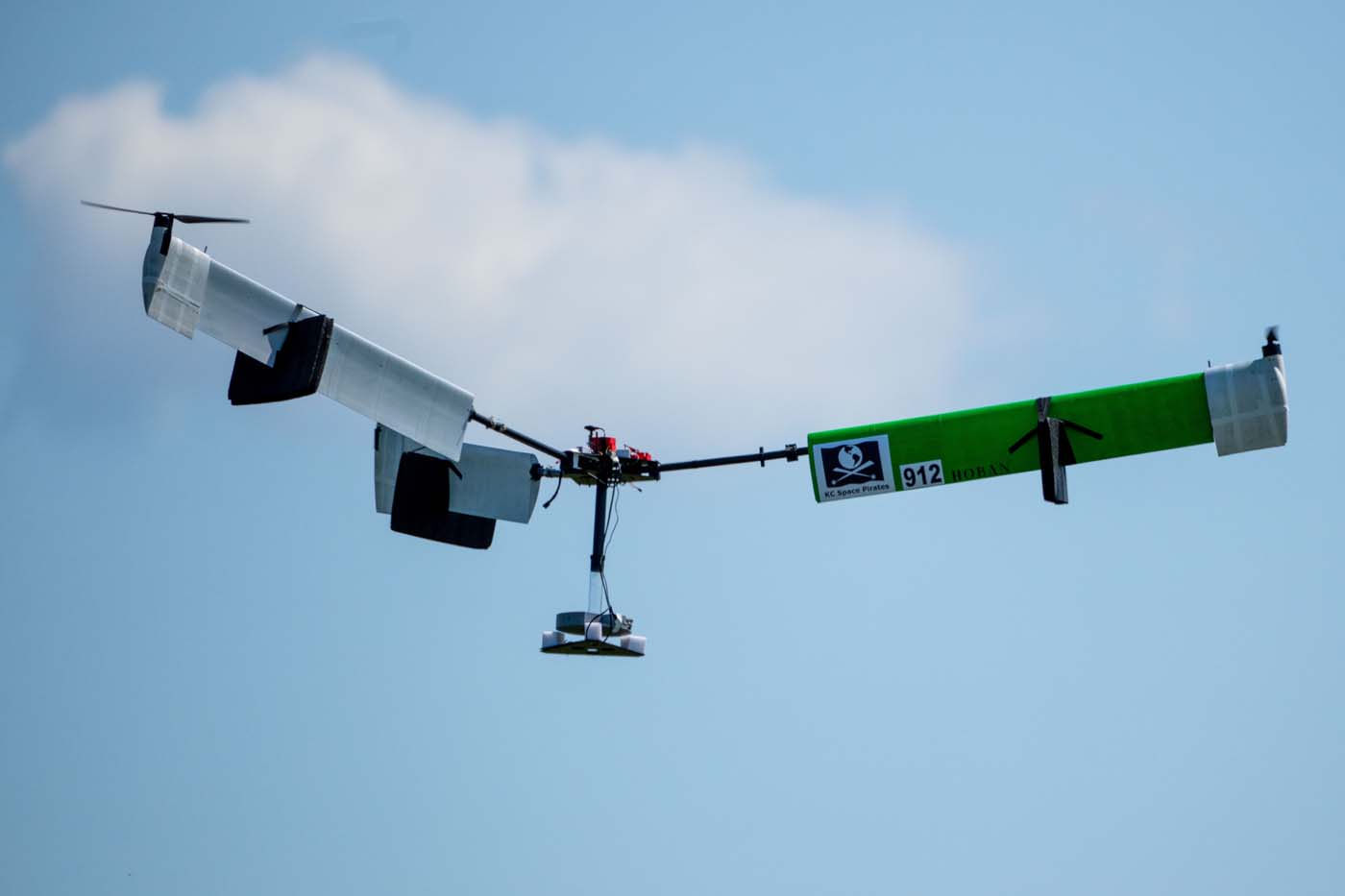
University of Maryland Autonomous Micro Air Vehicle Team earned $500,000 for Most Revolutionary Aerodynamic Design. Their concept integrated a tri-rotor into a propeller-driven rotor using servos to alter blade and motor angles, enabling multi-rotor takeoff and landing before transitioning to forward flight.
Portal Aircraft Company received $500,000 for Most Revolutionary Powertrain Design, developing a scalable system that drives rotors via hot or cold turbine exhaust. By eliminating traditional driveshafts and mechanical linkages, the architecture reduces mechanical complexity.
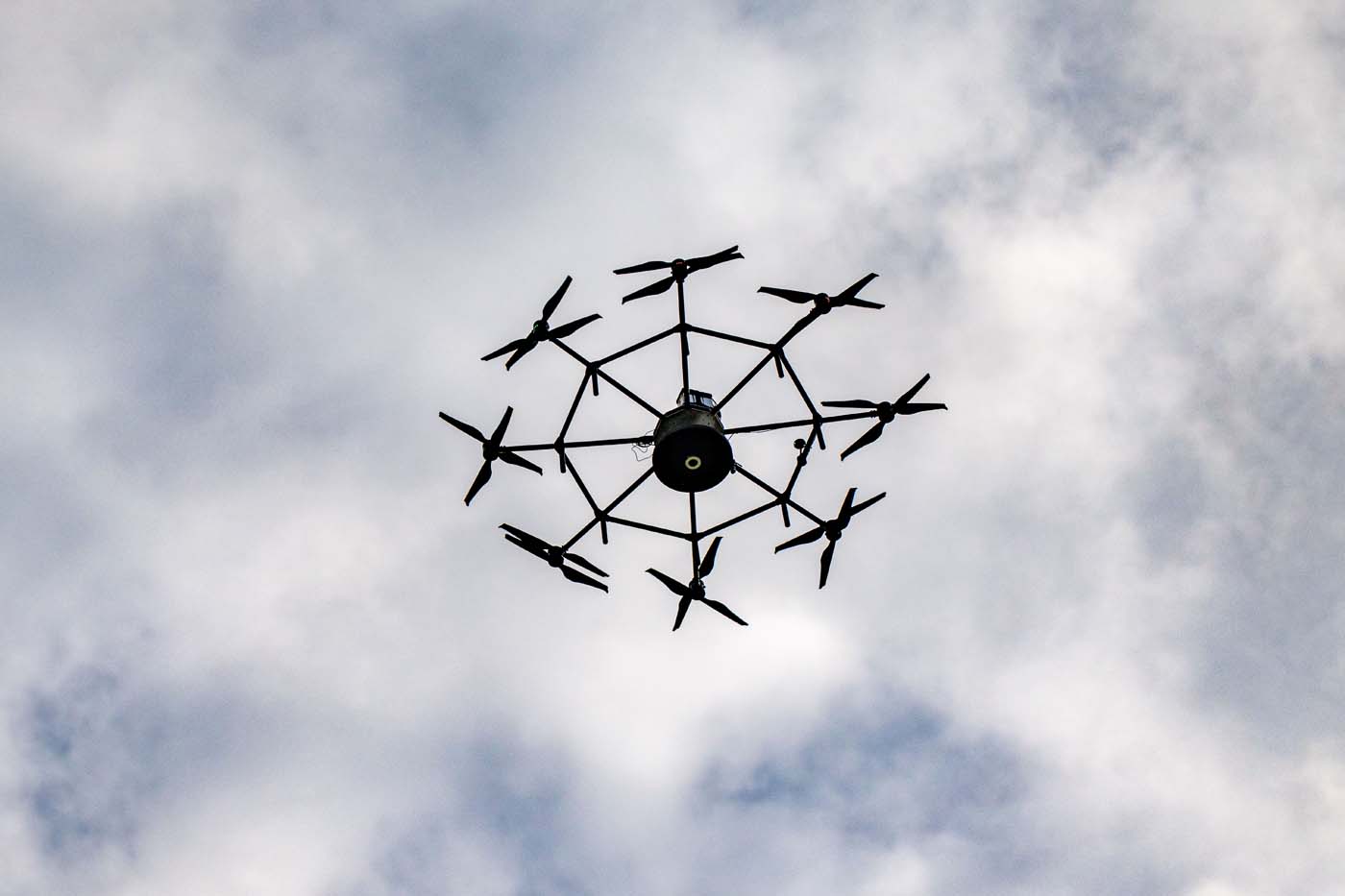
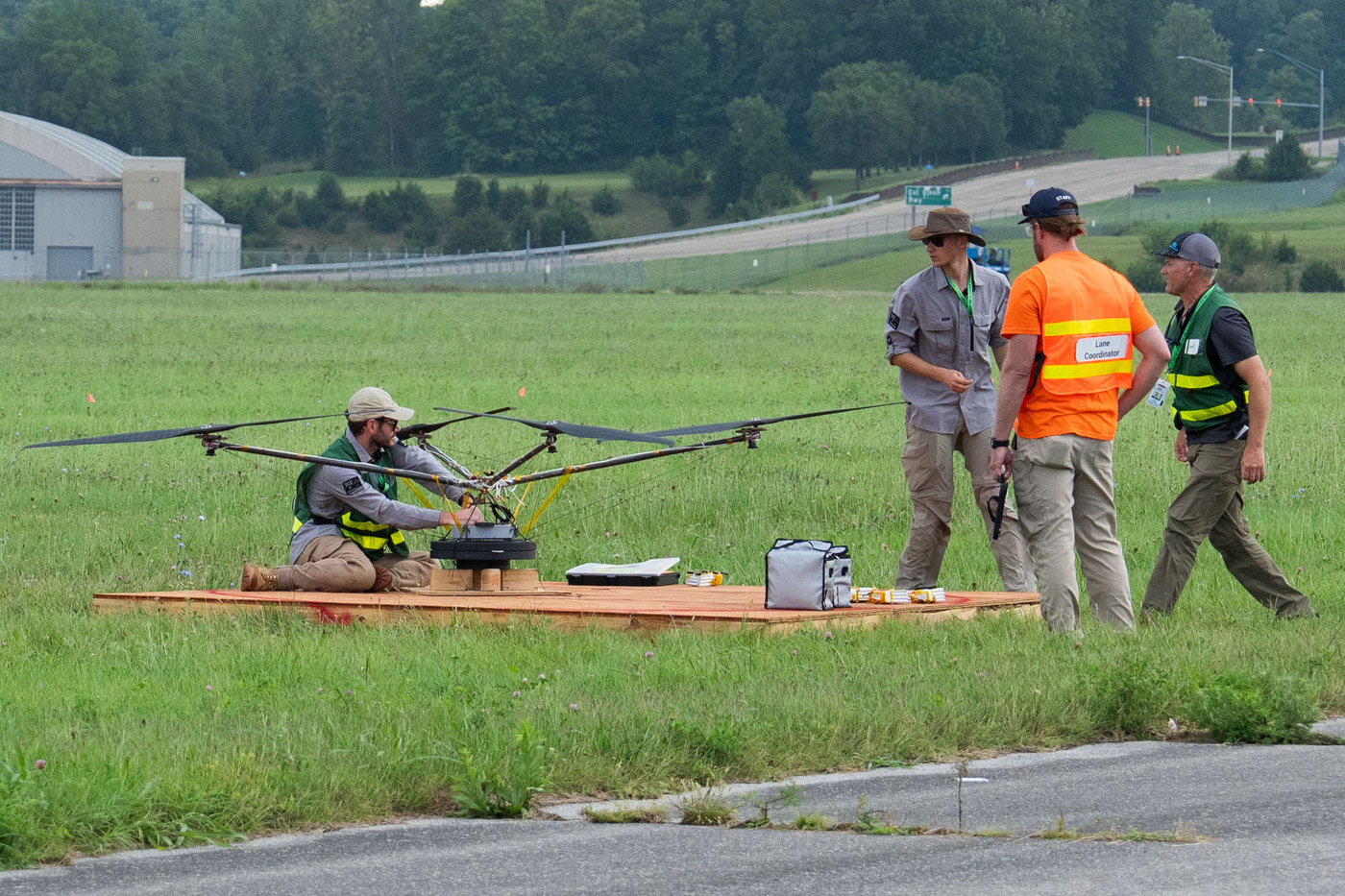
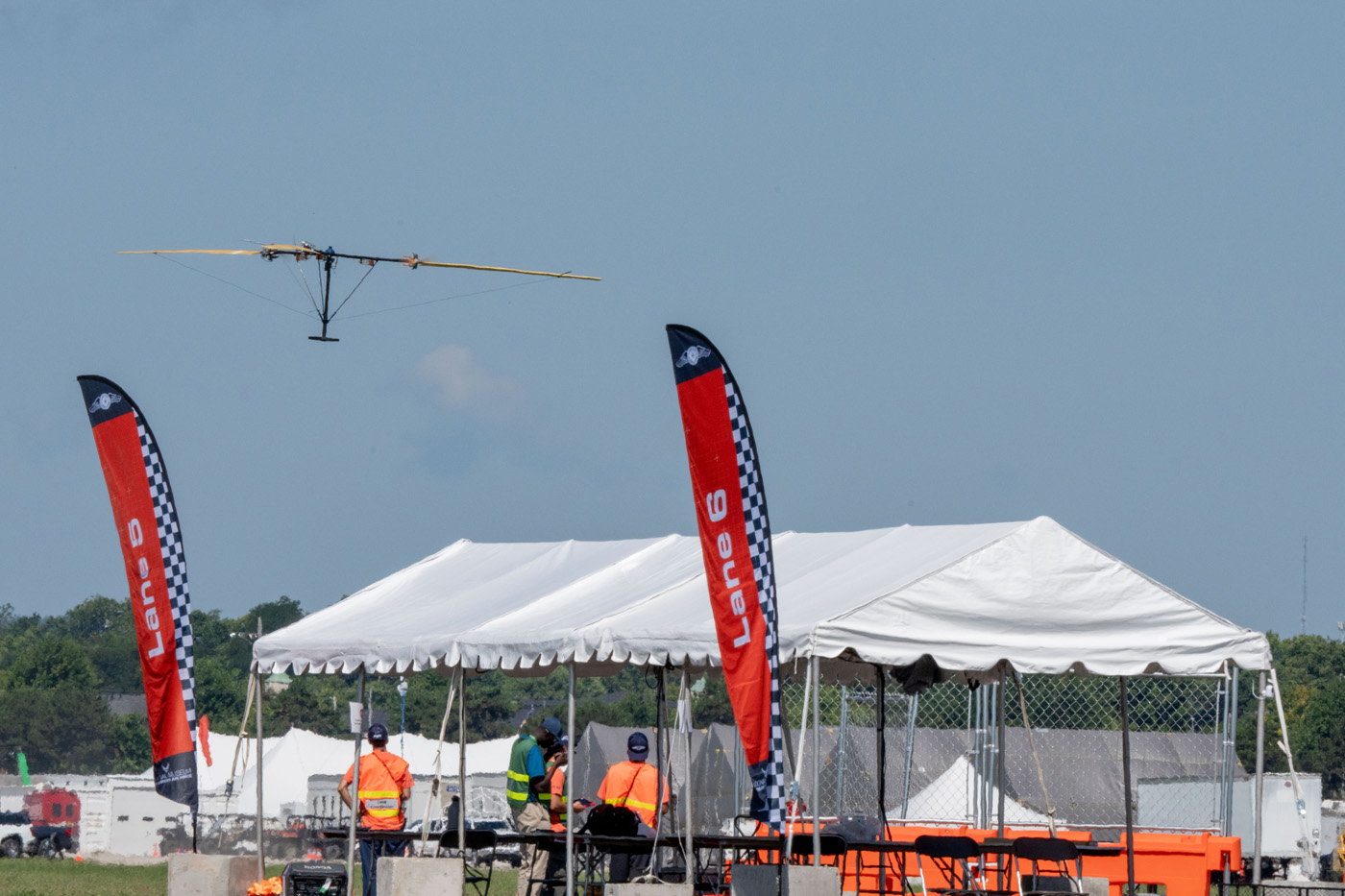
DefendTex received $500,000 for Most Promising Technology. Utilizing a string-based support frame attached to individual motors, the platform reduced hub structure weight and minimized disk loading. Although it did not complete an official scored run, the design recorded the highest unverified ratio of the competition at 9.63:1.
DARPA Director Stephen Winchell stated at the awards ceremony that the flight demonstrations represent an initial phase in transforming heavy-lift aerospace capabilities, noting that the agency expects these technical approaches to propagate across the defense and commercial sectors. Lift Challenge Program Manager Phillip Smith added that while the official 4:1 metric was not formally reached on a scored flight, the trials validated the feasibility of the concept.
To advance the maturation of these technologies, DARPA plans to provide continued funding through Small Business Innovation Research (SBIR) topics and facilitate investor engagement via its Commercial Strategy Office.