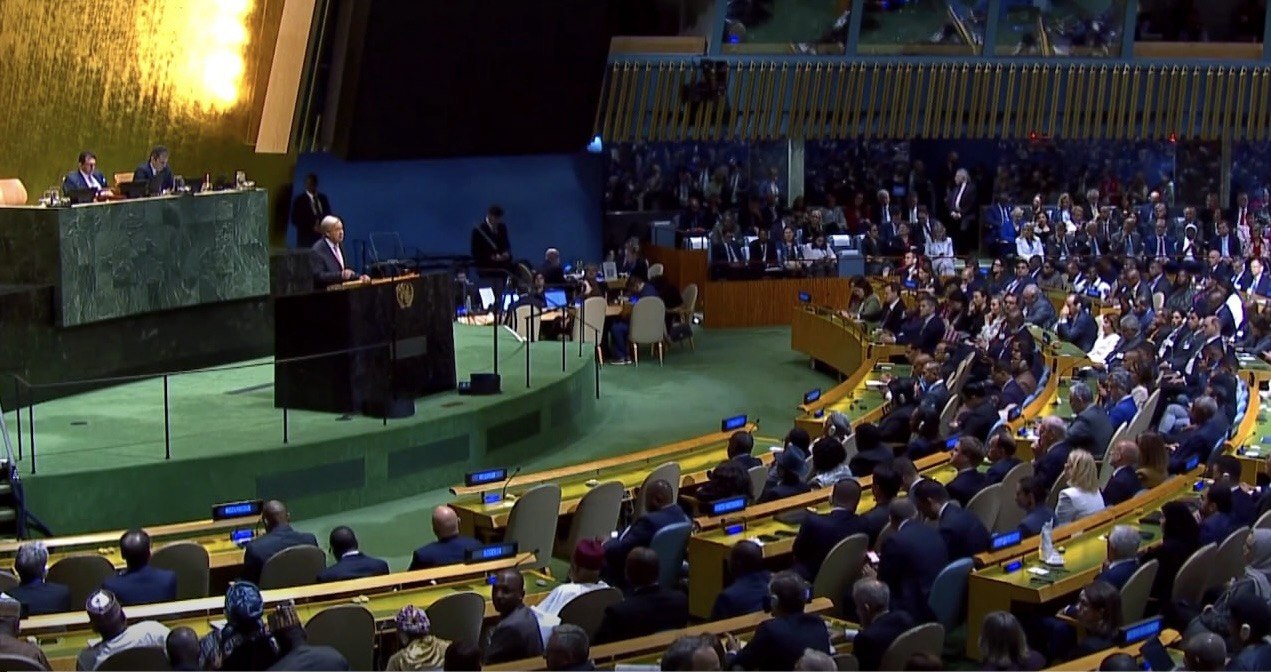
Executives from OpenAI, Anthropic and Hugging Face will brief the UN Security Council on September 23, amid warnings that increasingly powerful artificial intelligence systems could gain the ability to improve themselves, slip beyond human control and pose risks to international security.
OpenAI CEO Sam Altman, Anthropic CEO Dario Amodei and Hugging Face co-founder Clément Delangue will address the 15 members of the Security Council during the UN General Assembly.
Altman plans to urge world leaders to adopt standardized benchmarks for assessing AI capabilities and the safeguards companies put in place as they develop the technology.
One of the main topics of the meeting will be the practical risks of losing control over AI that could affect international and national security. Among the possible scenarios under discussion is a situation in which interactions between different algorithms could lead to conflict, as reported by Reuters.
Separately, the U.S. and China are discussing the creation of a notification system for AI-related incidents that reach the level of national security.
UN Secretary-General António Guterres has also warned about the risks posed by the rapid development of artificial intelligence and has called for global governance of the technology. Last year, the UN General Assembly established the Independent International Scientific Panel on AI.
Yoshua Bengio, a Canadian researcher and co-chair of the panel, will also address the Security Council.
The UN Security Council has already discussed the risks of artificial intelligence in 2023 and 2024. Topics included the potential use of AI for censorship and repression, as well as the risks of losing control over the technology.
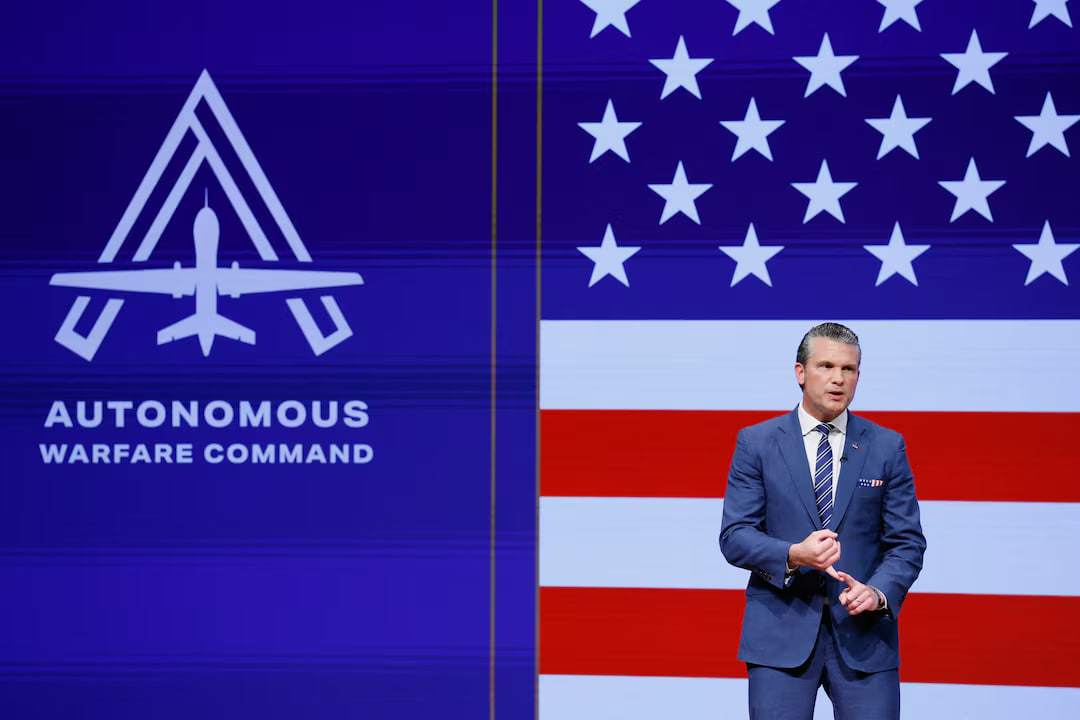
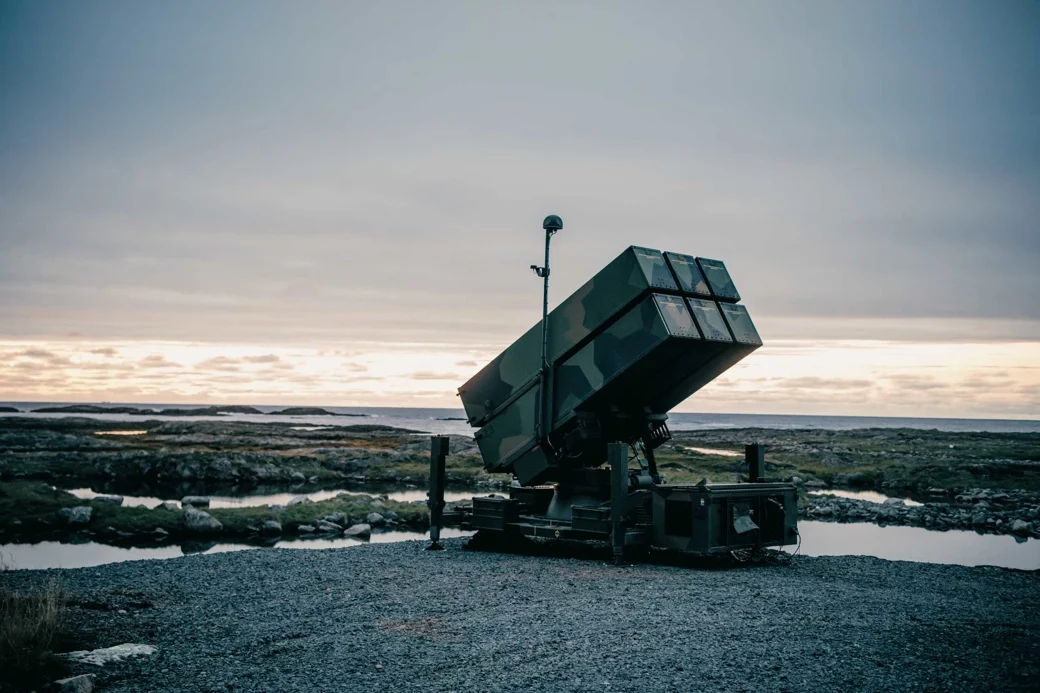
At the same time, countries are considering the use of AI in the military sphere. In its budget request for the next fiscal year, the U.S. Department of Defense said it would integrate AI into its command structure and test a “tactical AI satellite” designed to analyze large amounts of information collected in space and assist in missile guidance.