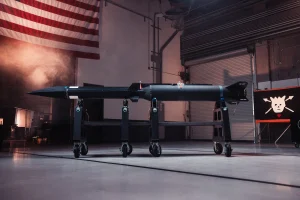
Boeing revealed its Ultra Low-Cost Seeker (ULCS) at the Space and Missile Defense Symposium in Huntsville, Alabama, presenting the technology as a cost-effective guidance solution for precision weapons. Seekers represent one of the most expensive components in guided munitions, directly impacting procurement volumes. The active radar seeker emits its own signal to locate and track moving targets across air, land, and sea operations in all weather conditions.
To reduce manufacturing costs, Boeing constructed the ULCS largely from commercial off-the-shelf components adapted for defense applications. The system utilizes a modular, open-standard architecture designed for cross-platform integration across air and missile defense interceptors, guided bombs, and cruise missiles. Drawing on experience from manufacturing active radar seekers for platforms like the Lockheed Martin PAC-3 Missile Segment Enhancement, Boeing engineered the ULCS to address less sophisticated threats at a lower price point.
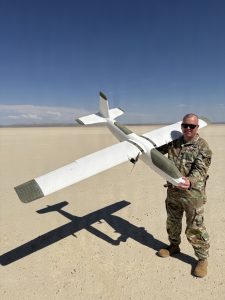
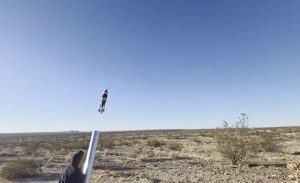
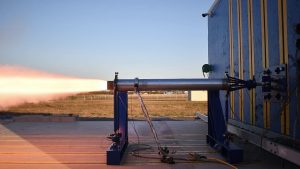
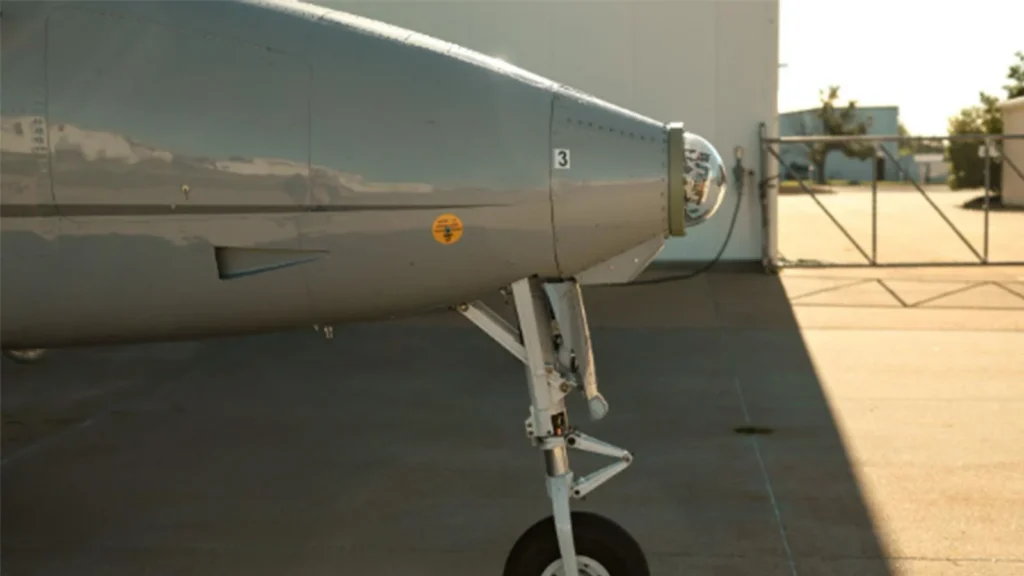
Initial developmental testing included sensor evaluations in an anechoic chamber, tracking trials aboard a Beechcraft 1900 aircraft over land and water, and ground-based tracking of aerial drones at Spaceport America in New Mexico. During a live rocket launch test against a drone carrying a radar reflector, the seeker maintained target detection while enduring flight acceleration and vibration.
Bob Ciesla, vice president of Boeing Precision Engagement Systems, noted that the ULCS is being developed to share a common sensor architecture across multiple programs, allowing the unit to adapt to different weapons without structural redesigns. Steve Wright, Boeing’s senior manager for weapon sensors and advanced guidance, stated that while further development is required, rapid testing confirmed the viability of the capability. Boeing plans to conduct additional flight tests in 2027 to simulate operational conditions.