In an effort to adapt officer preparation for an increasingly autonomous maritime domain, the U.S. Naval Academy executed its inaugural YP NEXT training block during the late summer training cycle. The program utilized traditional Yard Patrol (YP) craft as operational launch platforms for robotics and autonomous systems (RAS), marking the first time midshipmen deployed air, surface, and subsea uncrewed assets directly from these vessels.
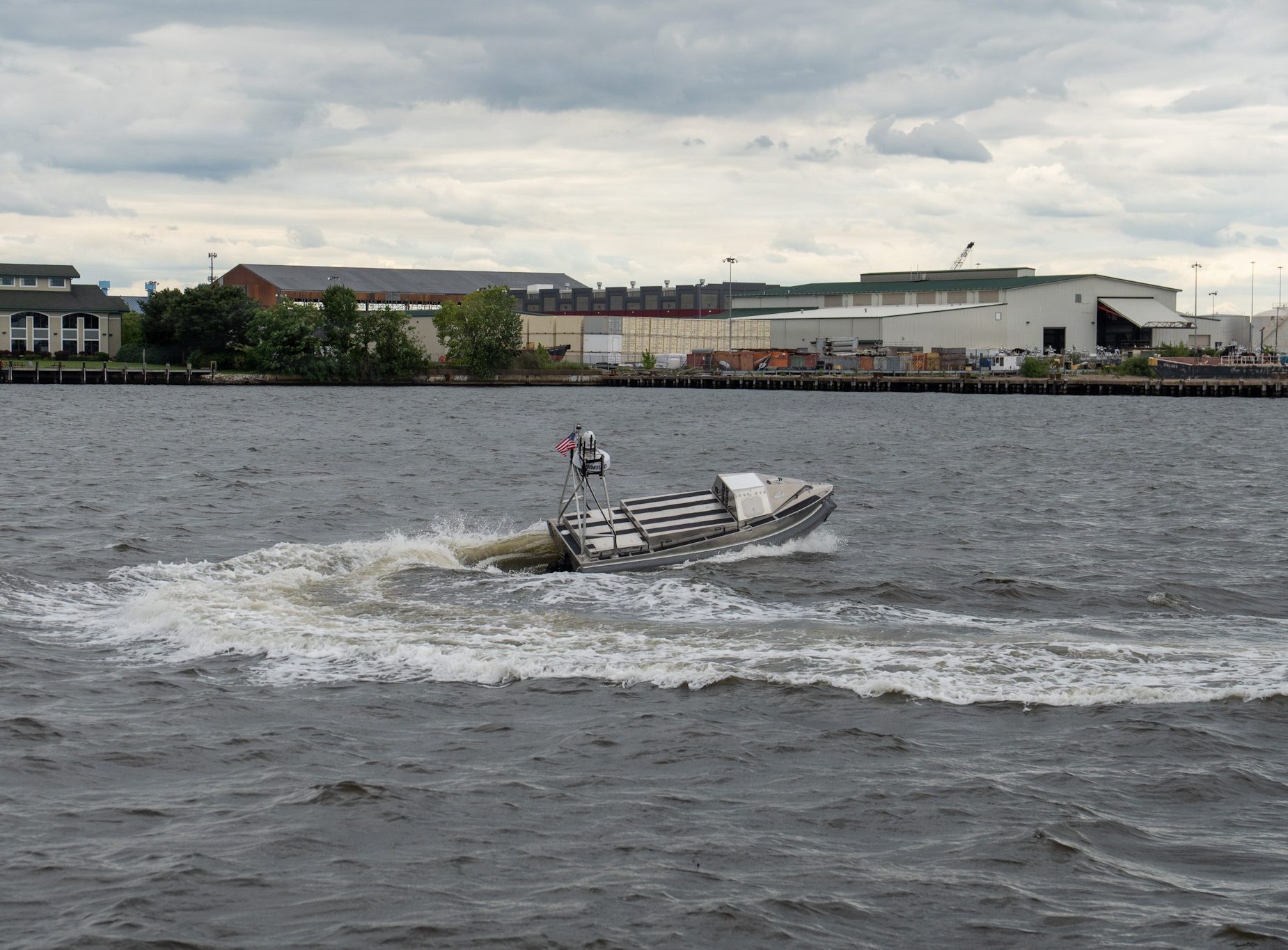
The training schedule combined foundational seamanship and navigation with hands-on employment of autonomous platforms. During an initial industry-led phase, midshipmen worked alongside commercial and research partners—including Havoc AI, BlackSea Technologies, and Jaia Robotics—to operate uncrewed surface vessels like the Rampage and the Global Autonomous Reconnaissance Craft (GARC), as well as Jaiabot aquatic data-collection drones.
Practical application expanded during a simulated tactical evolution designed with the Johns Hopkins University Applied Physics Laboratory. Utilizing custom-coded search patterns, participants executed hydrographic mapping, target tracking, and simulated threat neutralization.
Aerial capabilities were integrated following direction from the Department of War under its Drone Dominance Program, which allocated 80 Neros Archer first-person view (FPV) quadcopters for instructional use. Facilitated by Connectium Technologies alongside instructors from the Marine Corps Warfighting Laboratory and the Adaptive Rapid Engagement Squadron (ARES), midshipmen received classroom instruction on strike and reconnaissance platform capabilities before conducting live flight operations with Neros Archer and Skydio systems.
The training extended beyond the classroom through an operational transit across the Chesapeake Bay and the Atlantic Ocean. The route included site visits to BlackSea Technologies’ manufacturing facility in Baltimore, Maryland, an offshore anchoring evolution for the University of Delaware’s Autonomous Systems Bootcamp in Lewes, Delaware, and operational briefings with Naval Special Warfare units at Little Creek, Virginia.
According to Academy leadership and instructional staff, the YP NEXT initiative represents the first phase of a broader effort to embed autonomous systems concepts throughout the four-year curriculum. Rather than replacing core seamanship skills, the integration aims to familiarize future officers with human-machine teaming across maritime environments, as detailed in the official press release.