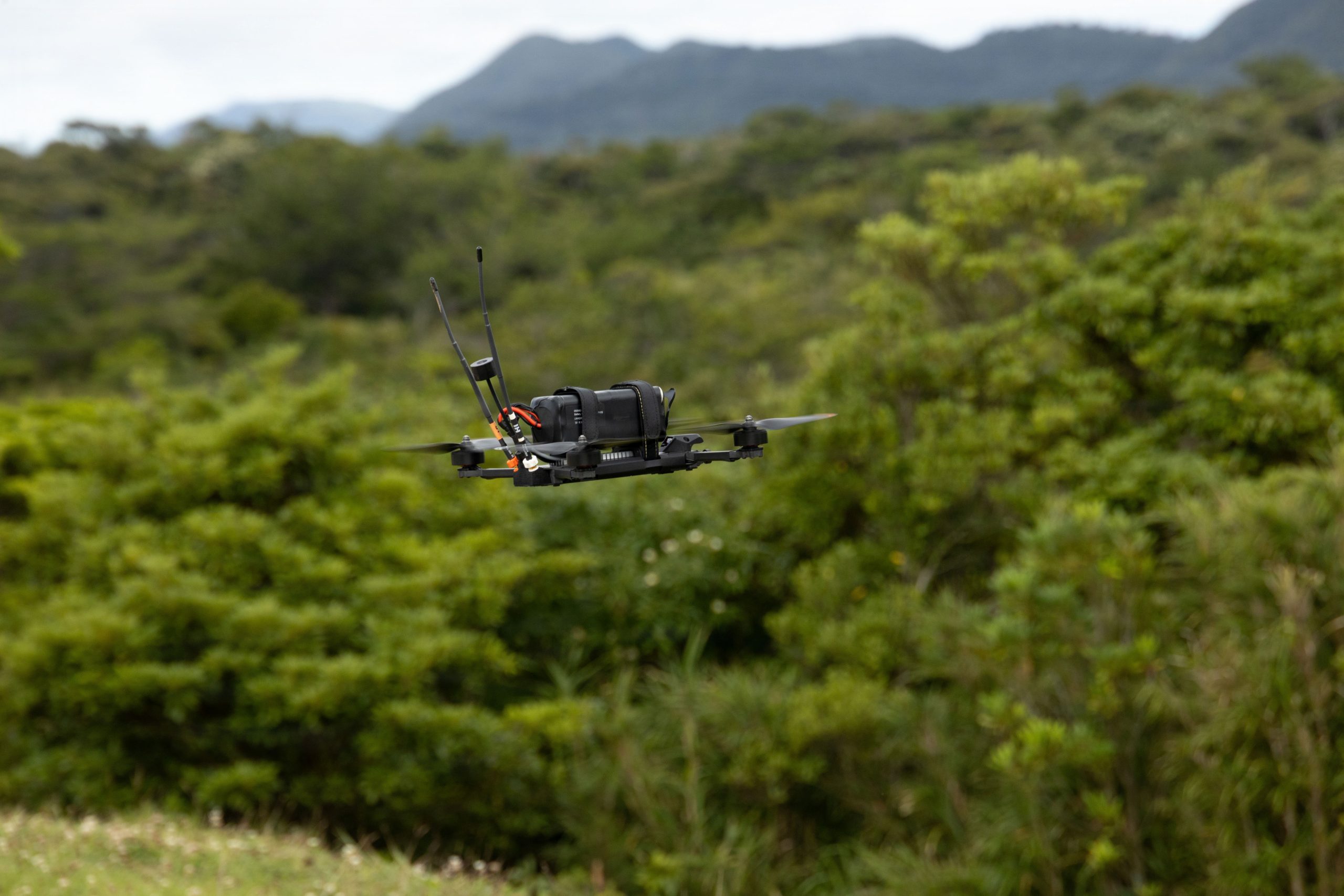
In a major milestone for Western Pacific force modernization, the U.S. Marine Corps successfully concluded its first-ever series of live-fire first-person view (FPV) attack drone flights in South Korea on August 5, 2026.
Executed by the 4th Marine Regiment, 3rd Marine Division, the training series demonstrated how rapidly emerging technologies can be fielded in critical operational theaters. The effort unfolded across two distinct events: an inaugural live-fire range on July 30 conducted by the 3rd Light Armored Reconnaissance Battalion, followed by a second iteration on August 5 led by the 3rd Battalion, 7th Marine Regiment. Both units are forward-deployed to the Indo-Pacific under the Unit Deployment Program.
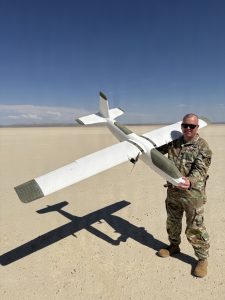
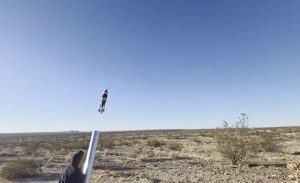
Throughout the exercises, Marines deployed the Neros Archer drone to perform precision anti-armor and anti-personnel explosive strikes. Featuring an effective operating range of roughly 20 kilometers, the system drastically extends the reach of small infantry units beyond the typical one-to-two-kilometer envelope of traditional squad weapons, allowing troops to launch precision strikes from secure positions.
First Lt. Evan Brace, a company executive officer with 3rd LAR, noted that conducting live-fire training with deployed Marines in a unique environment helps bridge the gap toward full integration into real-world operations. He explained that these iterations allow teams to identify what works and refine what needs improvement, ensuring the tactic is perfected before the Neros Archer is deployed on an actual battlefield.
The integration of FPV attack drones offers small units at the squad, platoon, and fireteam levels an organic, highly accurate kinetic capability to shape their battlespace without relying on larger, non-organic firing assets.
Executing live-fire drone flights on the Korean Peninsula required establishing a comprehensive safety and airspace oversight structure. The 4th Marine Regiment collaborated closely with the U.S. Army’s 8th Army, 2nd Infantry Division, and 2nd Combat Aviation Brigade, while coordinating with Republic of Korea partners to build the necessary regulatory framework. Marines completed thorough dry-fire safety rehearsals and built-in procedural checks prior to every live iteration. 1st Lt. Brace highlighted that overcoming initial regulatory and logistical hurdles was made possible through a mission-focused mindset and tight coordination with South Korean allies.
Senior leaders view the successful exercise as a transformative step for forward-deployed infantry. Sgt. Maj. Ismael Bamba, senior enlisted leader for U.S. Marine Corps Forces Korea, emphasized that placing advanced attack drones in the hands of young Marines rapidly turns small elements into highly lethal, self-sufficient precision strike forces. He added that mastering this technology builds a faster, smarter team capable of standing shoulder-to-shoulder with South Korean allies to dominate modern battlefields.