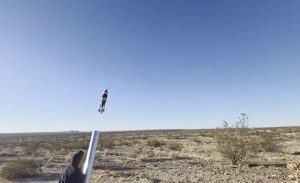
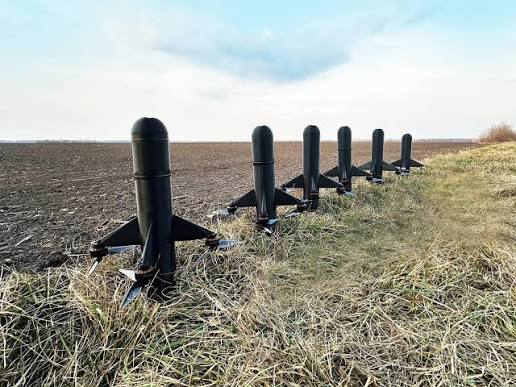
Ukrainian defense developer NOCTIS has partnered with Swedish defense giant SAAB to advance the operational autonomy of the Zirka interceptor drone, paving the way for an automated counter-UAS air defense architecture.
The joint initiative focuses on implementing advanced automated capabilities that allow the interceptor to navigate to designated target areas, independently acquire and track aerial threats, and execute terminal engagements with minimal human intervention. According to Oleksii Babenko, CEO of Vyriy Industries, the integration aims to lay the groundwork for a fully autonomous air defense system capable of identifying and neutralizing high-speed targets independently.
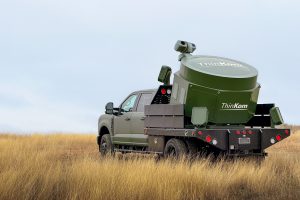
While specific project responsibilities remain undisclosed, the collaboration is expected to leverage SAAB’s Giraffe radar systems. Integrating these advanced sensor suites would allow ground-based radar detection to feed targeting data directly to the interceptor platform, a capability slated for inclusion in the upcoming Zirka 2.0 iteration.
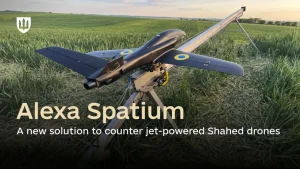
Developed using direct combat feedback from specialists—including personnel from the Darknode anti-Shahed battalion within the 412th Nemesis Unmanned Systems Brigade—the Zirka system is engineered to counter high-speed, maneuvering aerial threats. A Zirka interceptor successfully downed a jet-powered Shahed-variant attack drone, highlighting the platform’s effectiveness against accelerated strike UAVs.
The interceptor features an operational radius of 30 kilometers, a maximum flight endurance of 20 minutes, and top speeds reaching 340 km/h. Onboard target acquisition and guidance automation manage tracking and intercept trajectories, allowing operators to focus primarily on speed adjustments during terminal approach. Estimated at approximately $2,000 per unit, the platform receives investment and production scaling support from Vyriy Industries, while NOCTIS retains full oversight of technical development, manufacturing, and field deployment.