
The U.S. Department of Defense has issued a directive giving major defense contractors 21 days to submit actionable proposals to significantly accelerate weapons manufacturing and delivery schedules. In an Aug. 5 memorandum, Deputy Defense Secretary Steve Feinberg informed industry leaders that extended, multi-year development timelines are no longer viable, emphasizing the immediate need to expand industrial capacity and shorten production cycles.
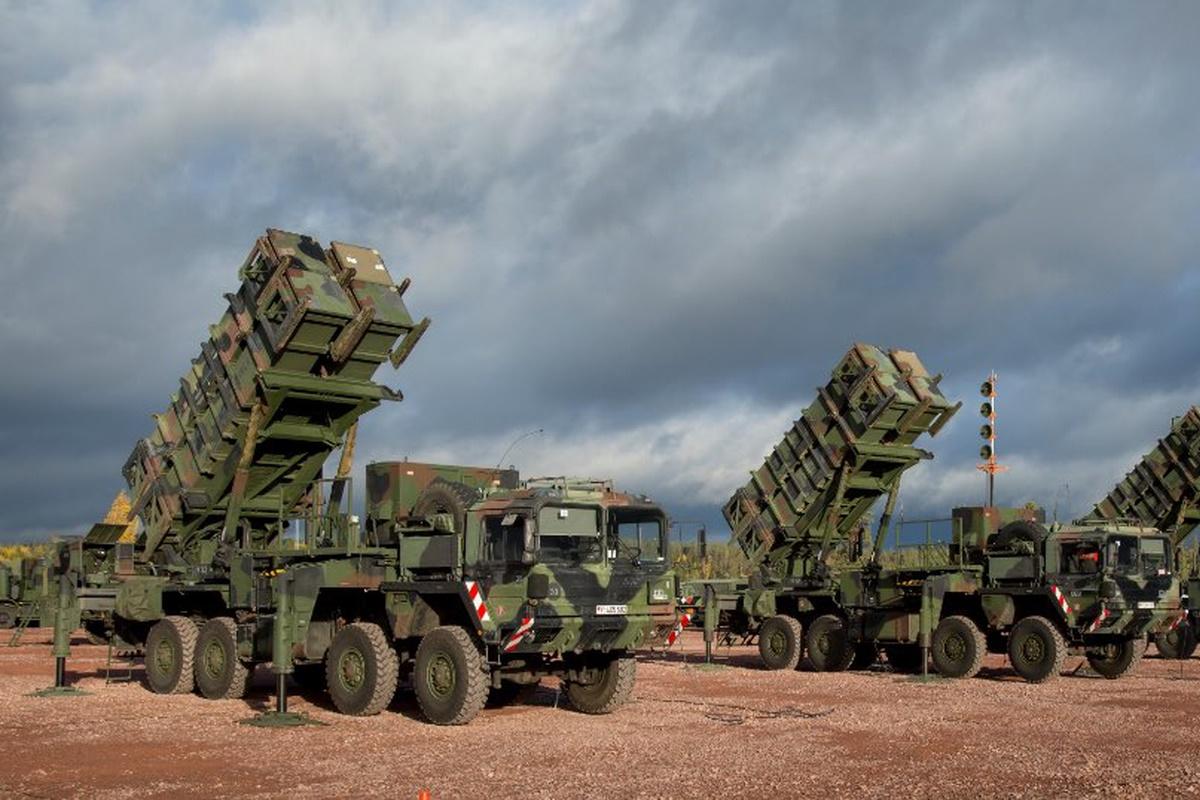
As reported by The Washington Post, the policy shift follows heightened operational expenditure of advanced munitions during recent combat operations involving Iran, which has drawn down inventories of critical air defense interceptors. According to an analysis by the Center for Strategic and International Studies, U.S. stocks of Patriot interceptors dropped from an estimated 2,330 units before the conflict to between 759 and 827. Similarly, THAAD interceptor inventories fell from 452 to between 234 and 278 units. Procurement timelines remain a core structural constraint, with current lead times estimated at 42 months for Patriot PAC-3 MSE interceptors and 53 months for THAAD missiles.
The Pentagon’s request was directed at key defense manufacturers, including Lockheed Martin, Boeing, and RTX. Industry responses will directly inform the department’s fiscal year 2028 budget request, with companies requested to outline facility expansions, capital investments, and required government support. To address long-term supply constraints, the Pentagon recently finalized seven-year framework agreements to scale up solid rocket motor production, including agreements with L3Harris aimed at nearly tripling PAC-3 propulsion output and quadrupling THAAD propulsion production.
While prompted by interceptor expenditures, the 21-day mandate encompasses 16 critical defense initiatives designated for accelerated manufacturing or increased procurement. These include the Next Generation Interceptor, the National Advanced Surface-to-Air Missile System (NASAMS), mobile air defense radar architecture, and space-based missile-tracking sensor networks.