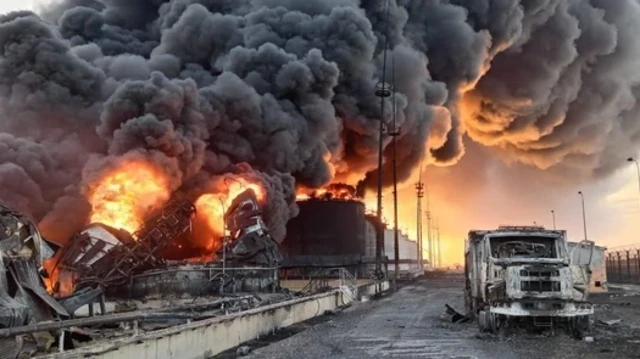
Ukrainian long-range drone strikes targeting Russian oil refineries have driven up domestic fuel prices, causing severe disruptions in Russia’s road freight sector and compounding broader inflationary pressures.
As reported by Reuters, fuel costs surged between 16% and 18% in recent months, raising transport expenses and forcing logistics operators to abandon long-haul routes across regions like Siberia in favor of shorter localized trips near Moscow and regional ports.
Despite Russia’s extensive rail network, state statistical agency Rosstat reported that over 70% of cargo in the first half of 2026 moved by road. Fuel shortages and the cancellation of standard 7% to 12% carrier fuel discounts drove average July freight rates up by 12% to 15%, with spike increases reaching up to 50% on certain routes. Additional cost drivers include increased federal highway tolls, driver shortages, and seasonal agricultural transportation demand.
The strategic disruption extends to critical trade corridors with China. In Zabaykalsky Krai, a key transit hub for Chinese imports, ongoing fuel supply bottlenecks force trucks to queue for days. Consequently, shipping costs from China to Moscow rose from approximately $10,000–$11,000 to nearly $14,000. To mitigate these disruptions, shippers are increasingly shifting cargo to rail and maritime routes. Industry representatives note that even if regional fuel supplies stabilize, freight tariffs are unlikely to return to previous baseline levels as transport firms seek to recover operational losses.