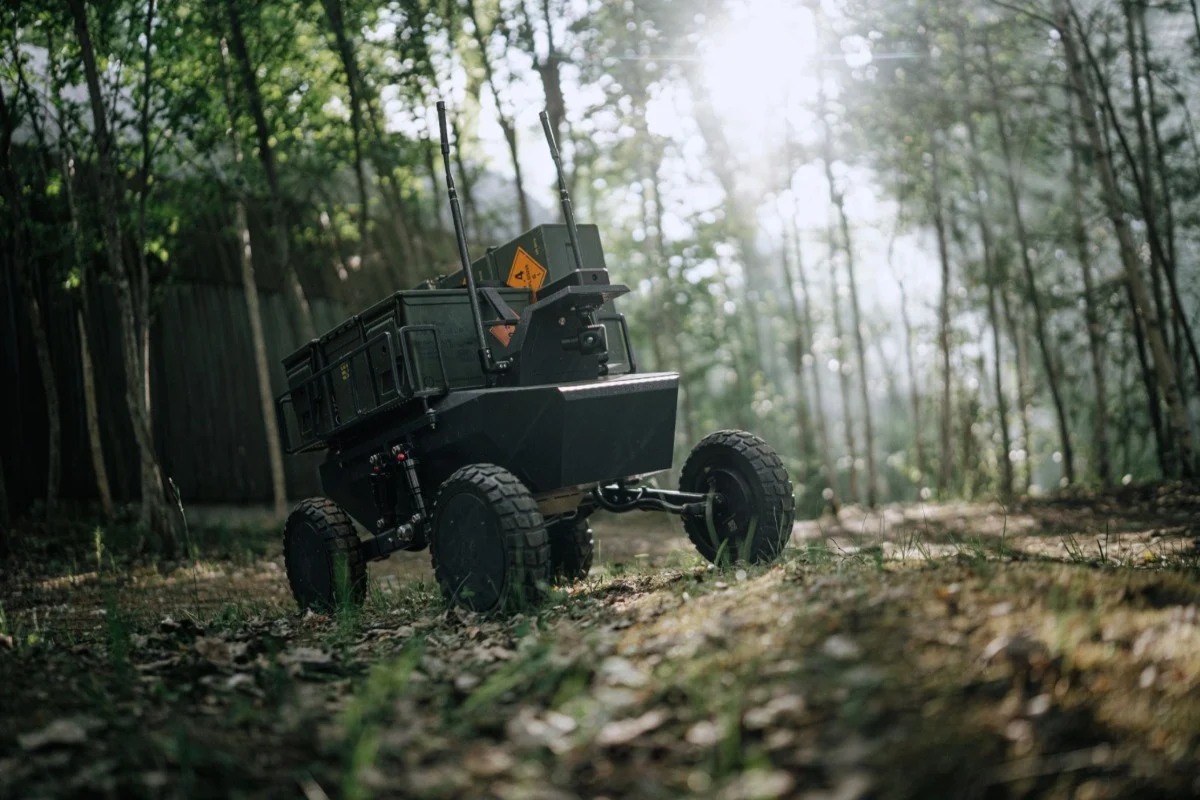
XTEND has deployed its first AtlasROVER ground robot, equipped with the XOS system, transferring it to a customer in the Asia-Pacific region through its public parent enterprise, JFB Construction Holdings. This undertaking marks the first such implementation since the completion of the acquisition of Latvia-based robotics company Atlas earlier this year.
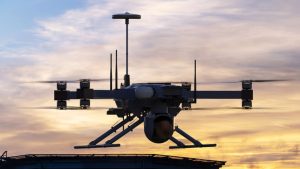
This step extends XTEND’s software platform, known as XOS, beyond its usual application in aerial drones into the sphere of ground robotics. The software is designed to function across diverse robots, providing operators with identical control elements and mission tools regardless of whether they are piloting a drone or driving a ground vehicle. Company CEO and co-founder Aviv Shapira emphasized that the ultimate goal is to build a common software layer to unify air, ground, and maritime systems while maintaining key human control, as reported by The Defence Blog.
The unmanned ground vehicle AtlasROVER is engineered to operate in difficult environments and is capable of transporting various mission-specific payloads. Despite the completed delivery, company representatives left information regarding the recipient country, the exact number of units transferred, or the specific combat tasks the system will perform without comment.
XTEND, established in Tel Aviv in 2018, significantly expanded its production capacities and engineering base in Latvia following the integration of Atlas assets, covering approximately 40 European markets. Currently, the enterprise is preparing for a public listing through a merger agreement valued at $1.5 billion, after which the combined structure plans to operate under the name XTEND AI Robotics with its global headquarters in Tampa, Florida. Overall, the technology company has already deployed more than 12,500 systems in over 30 countries worldwide, including active combat zones. This latest addition confirms the strategy of scaling a unified software ecosystem to new types of unmanned transport.