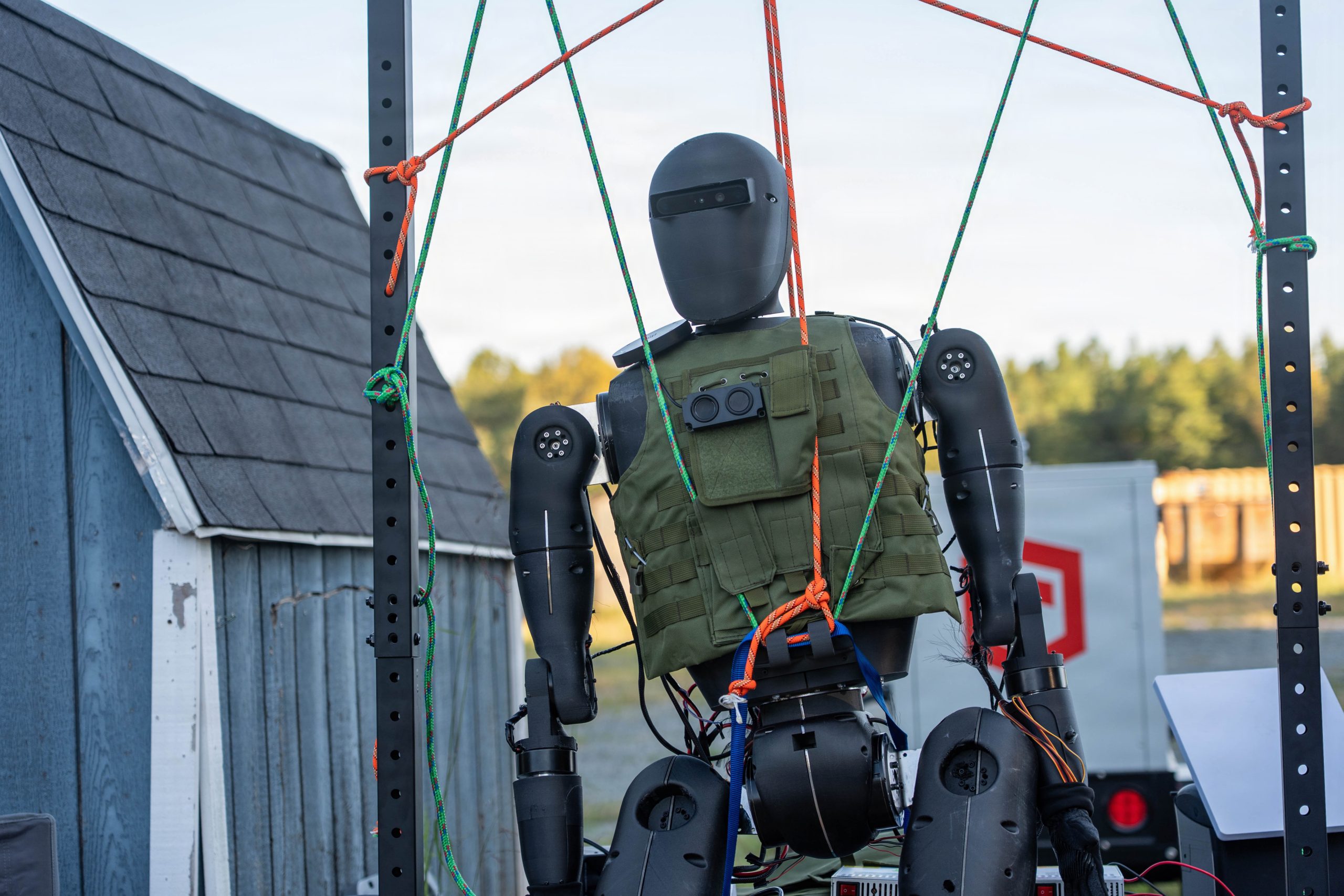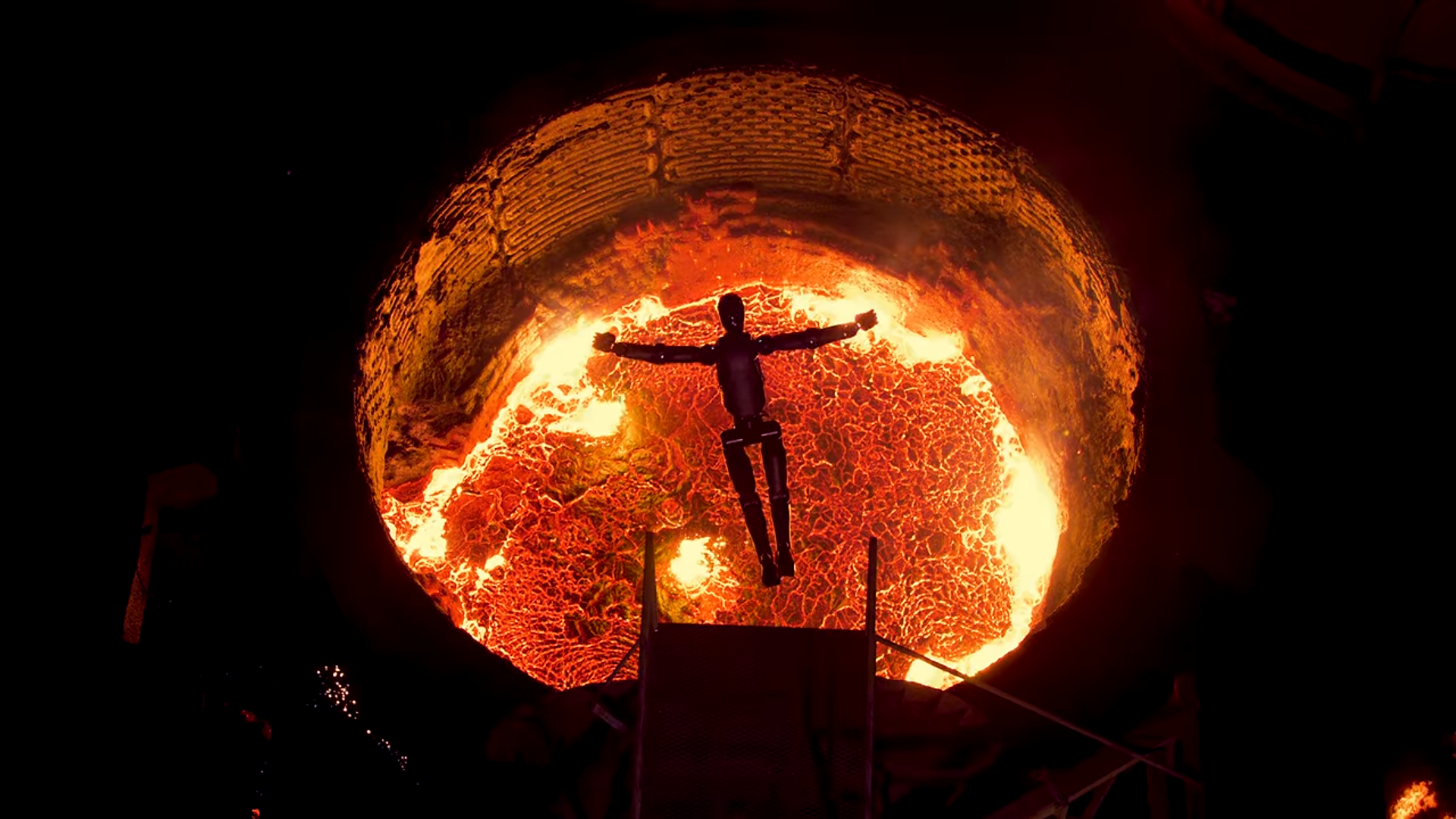
The American company Figure, which develops humanoid robots, has unusually decommissioned most of its F.02 robots. Before being sent for melting, they were trained to autonomously jump into a furnace filled with molten steel.
F.02 marked an important stage in the company’s development: the robots were the first to be deployed at BMW, used the Helix system, performed household chores and were deployed for logistics. However, as the F.03 fleet grew, maintaining F.02 no longer made sense.
The company also decided against manually disassembling each robot, as this would have required significant time from its technical staff and could have delayed the launch of F.04. In addition, F.02 robots contained custom-built actuators and other intellectual property that the company wanted to protect.
After asking users on the internet for suggestions, Figure received a proposal from Arnold Schwarzenegger to melt the robots down. The company contacted the actor, and he agreed to take part in the project.
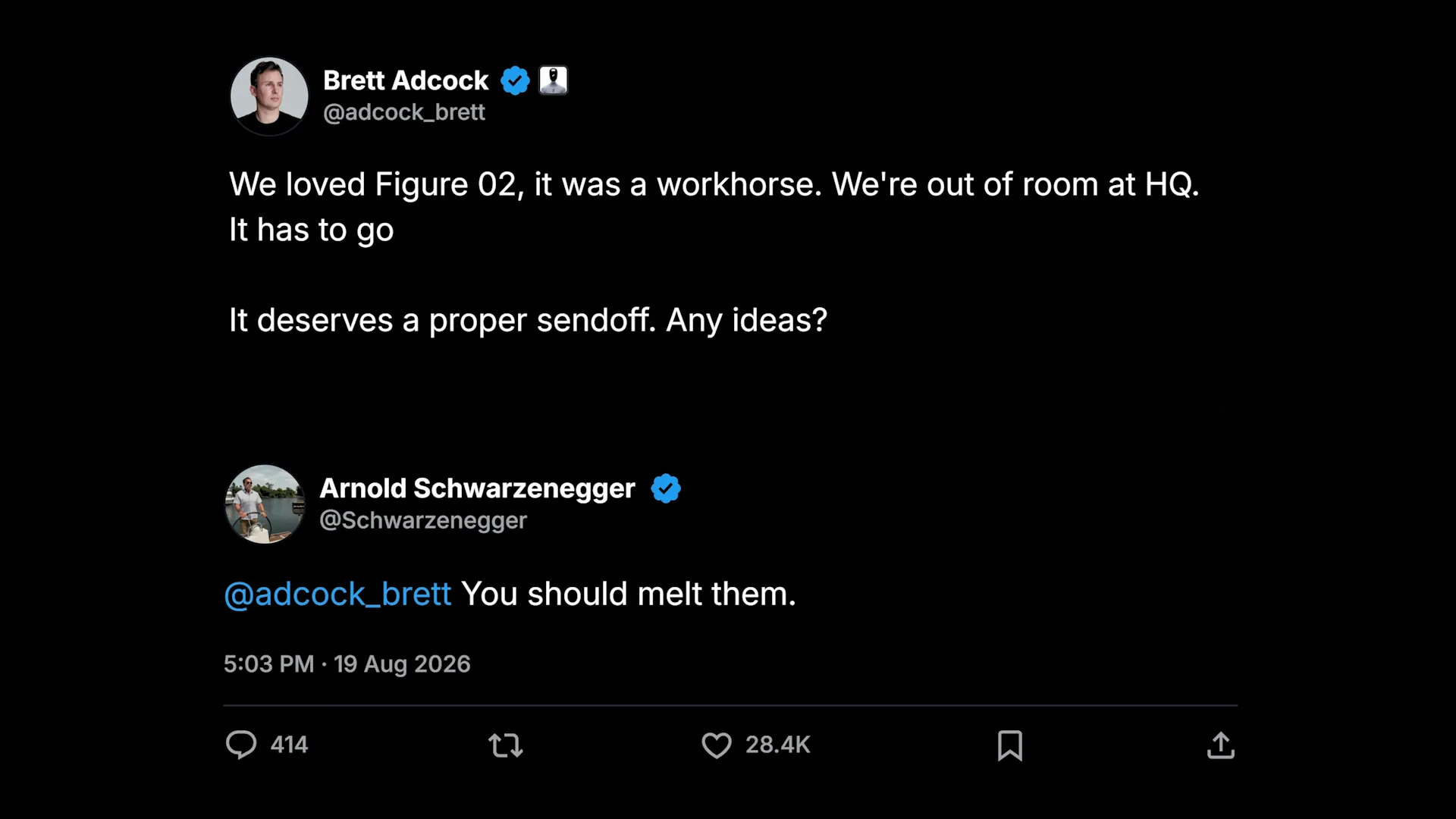
Arnold Schwarzenegger’s response to Figure’s request.
Figure was unable to find a foundry in the United States or Mexico willing to accept robots containing lithium-ion batteries. Eventually, the company found a suitable foundry in Imatra, Finland.
The robots were initially trained at Figure’s campus in San Jose. The team set up large airbags and trained them to jump from the second floor of a building. Using movements from stunt performers as a reference, engineers trained a new AI model in simulation that was designed to allow the robots to accurately jump into a container of molten steel at a foundry they had never visited before.
At the Finnish foundry, three massive graphite electrodes power a 75-ton electric arc furnace used to melt steel scrap. The team had just 24 hours and six melts to complete the task. Each melt provided a 20-minute window before the molten steel cooled and formed a hard crust.
According to Figure, the robots autonomously ran their AI policies even in conditions of extreme heat and strong electromagnetic fields. At the same time, cameras and other electronics failed in the environment.
After the robots were melted down, the resulting metal bars were sent back to the United States. Figure plans to use them to produce a limited series of artifacts commemorating F.02.
Most of the F.02 fleet has now been decommissioned, while a few robots remain in storage at Figure’s headquarters.