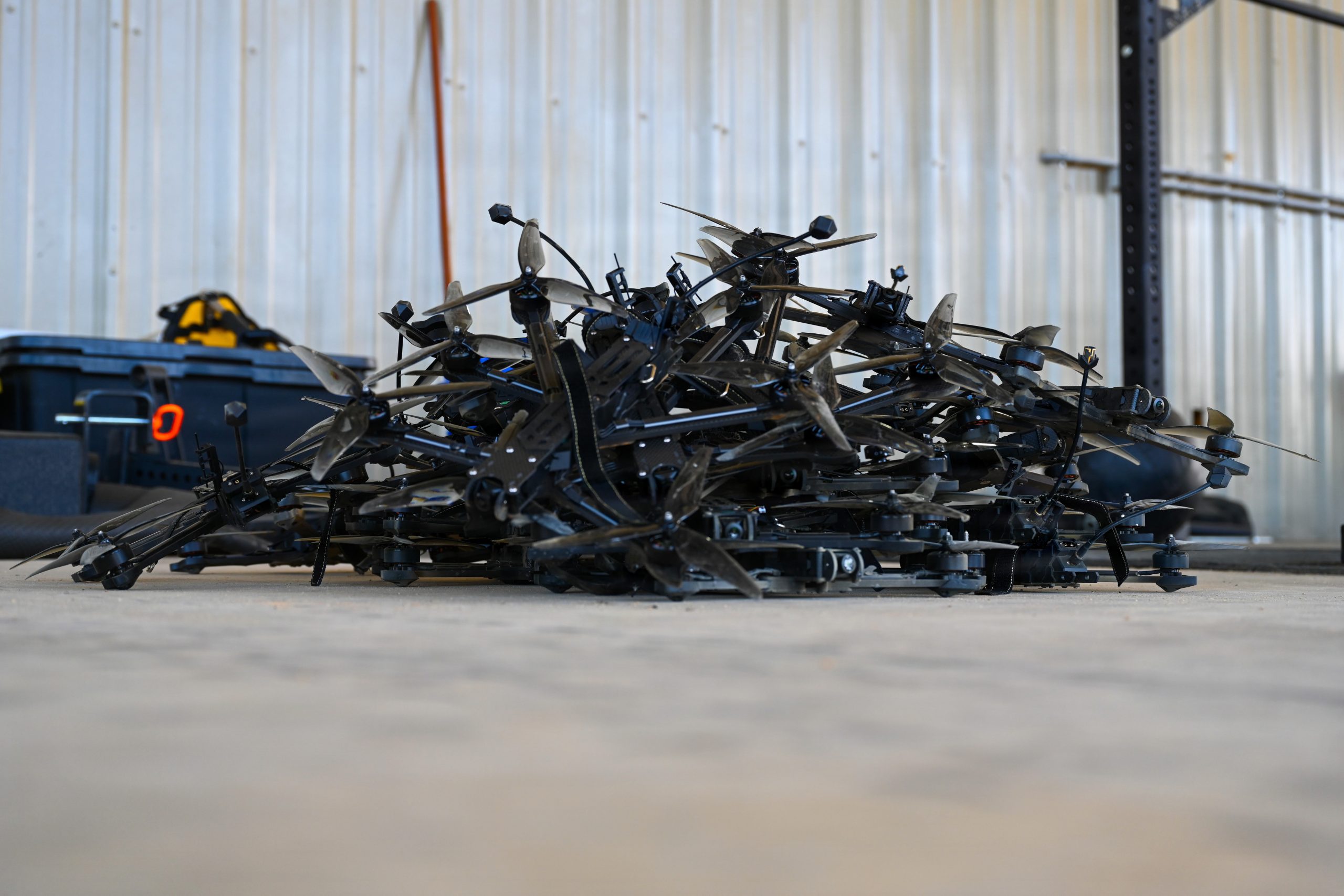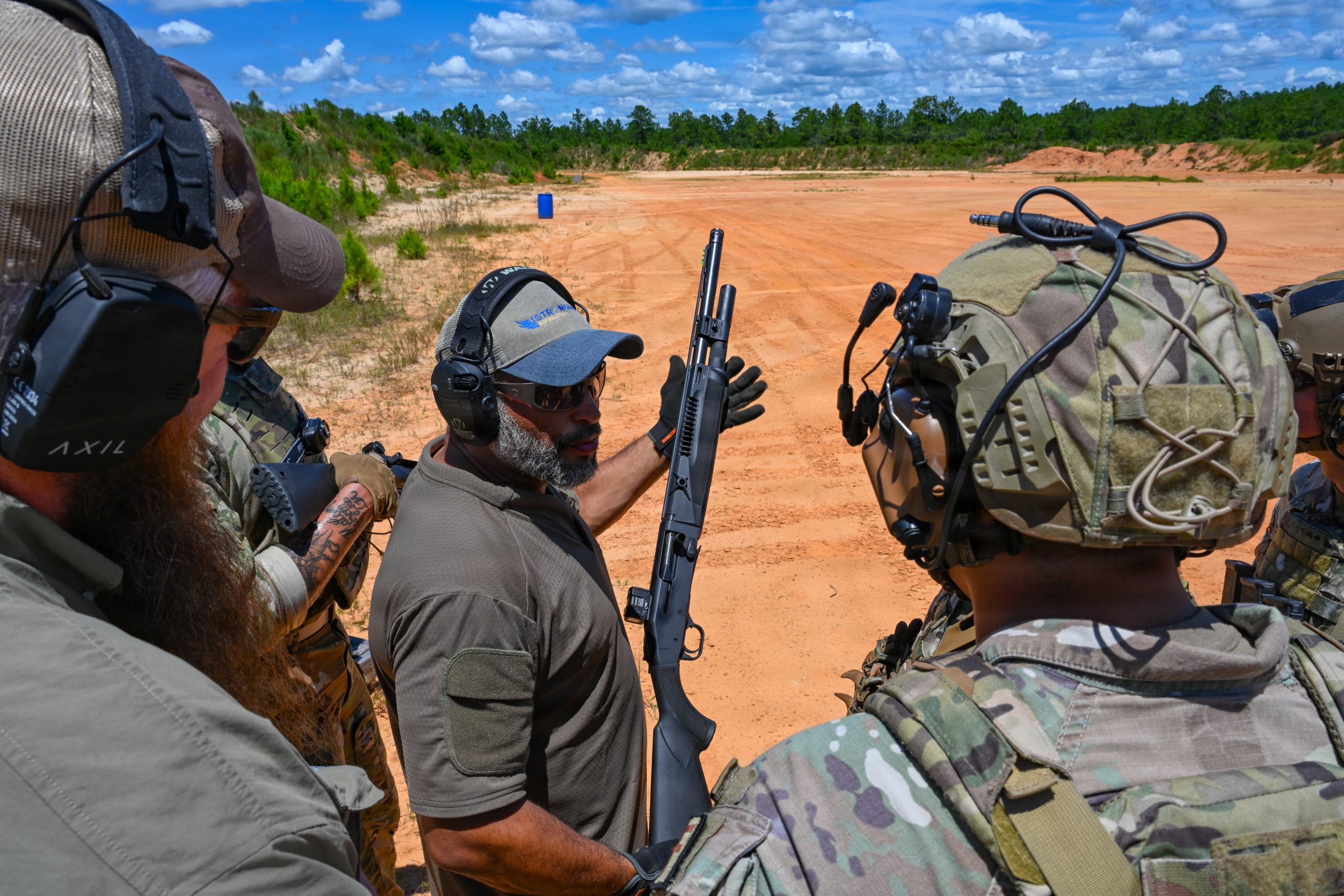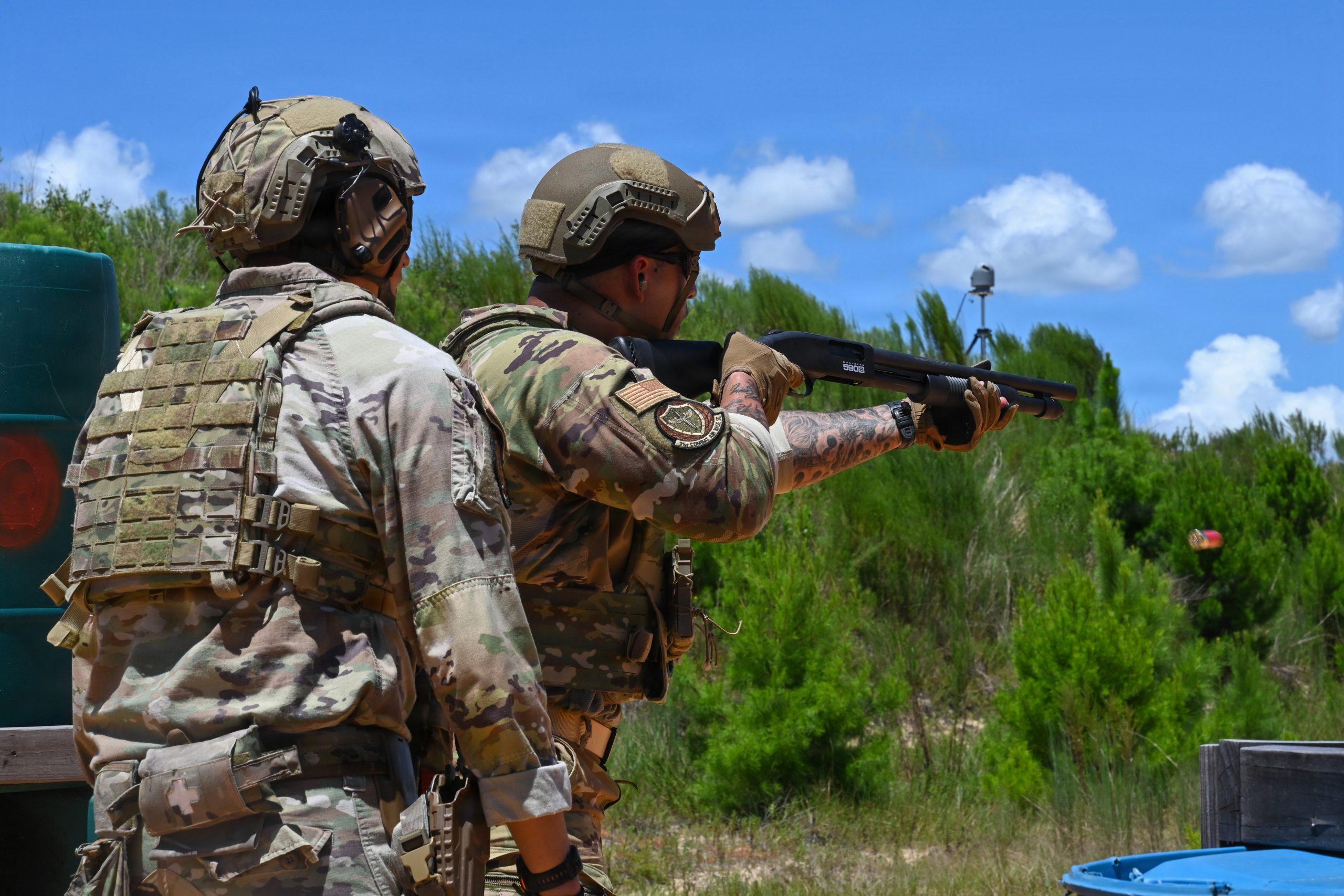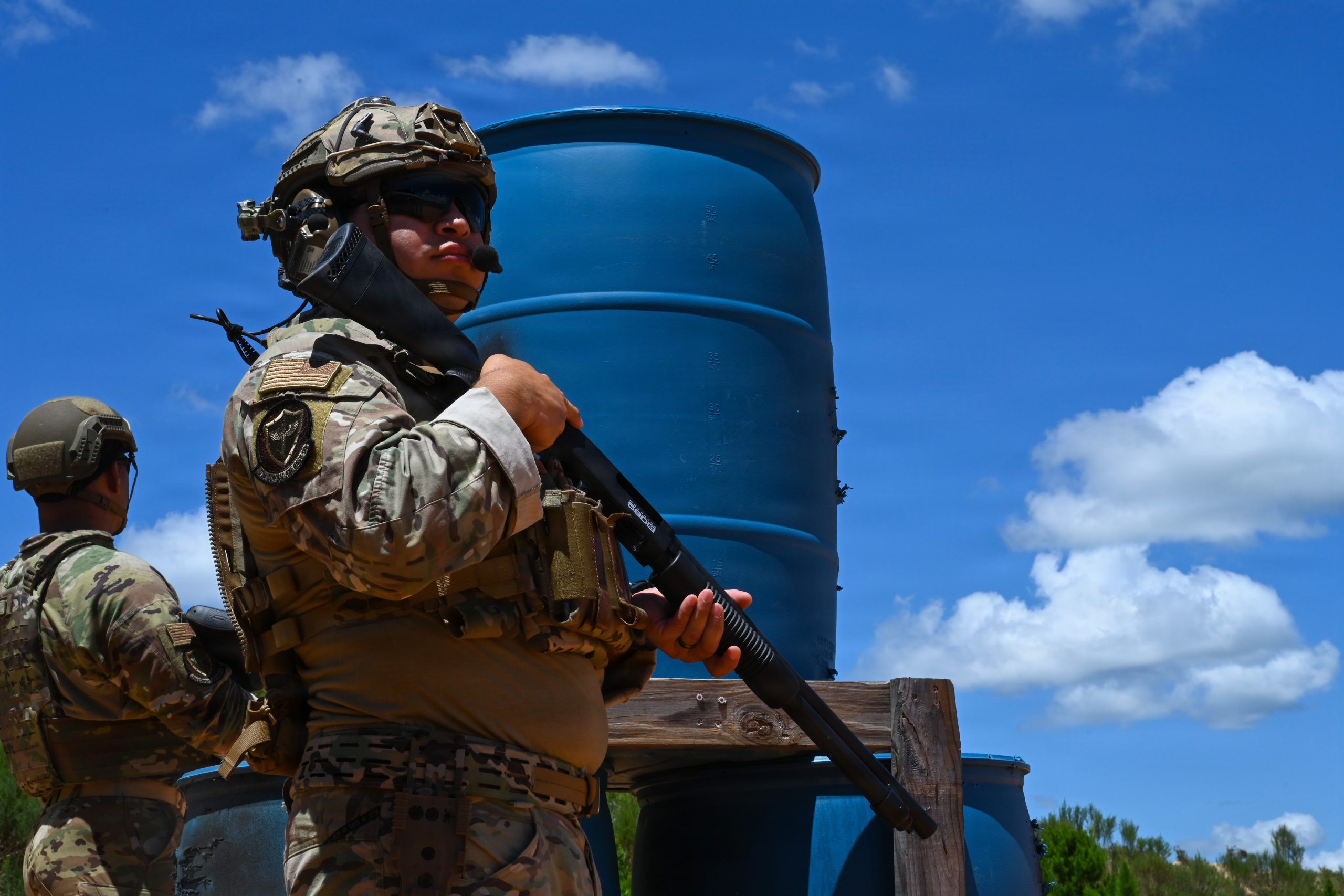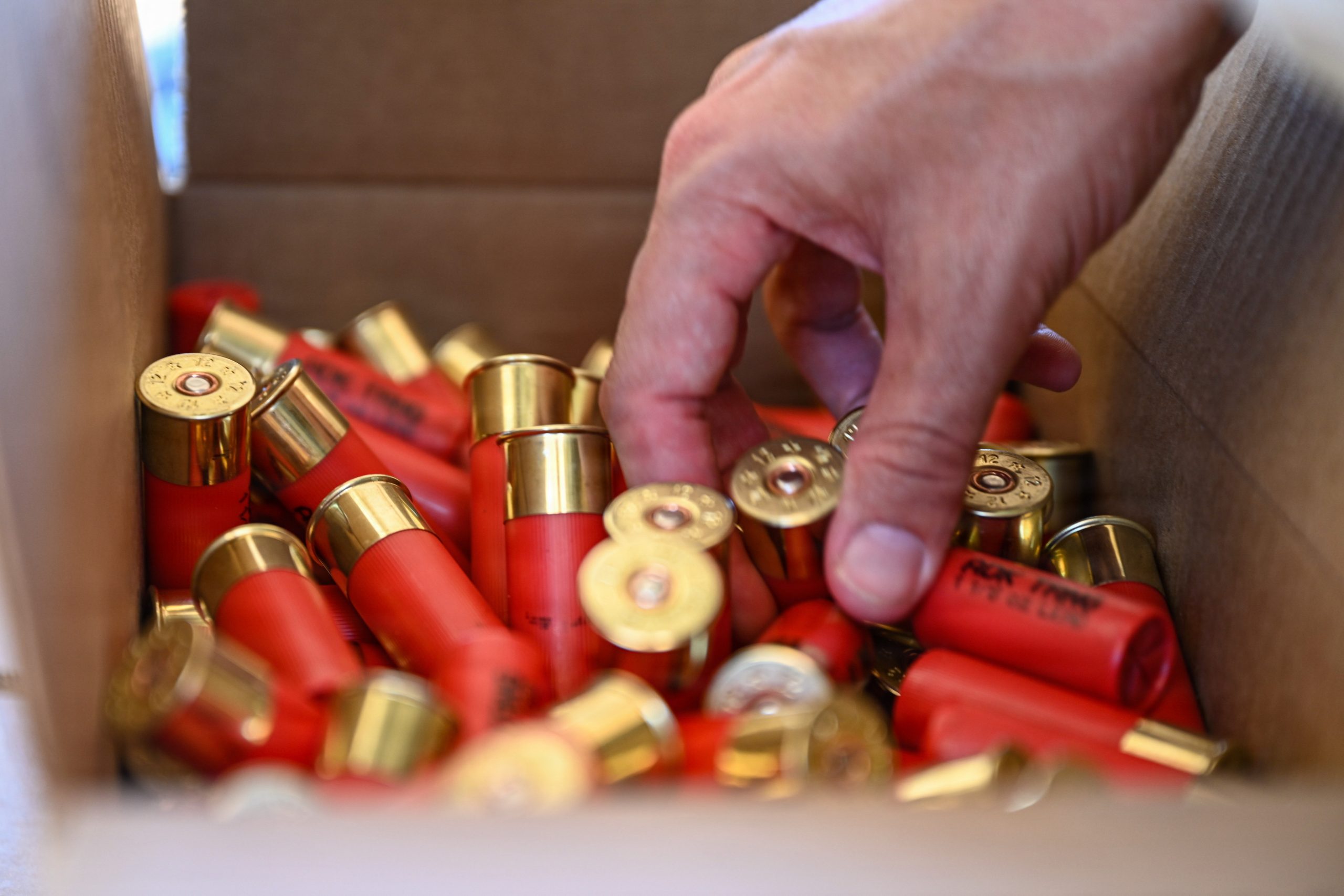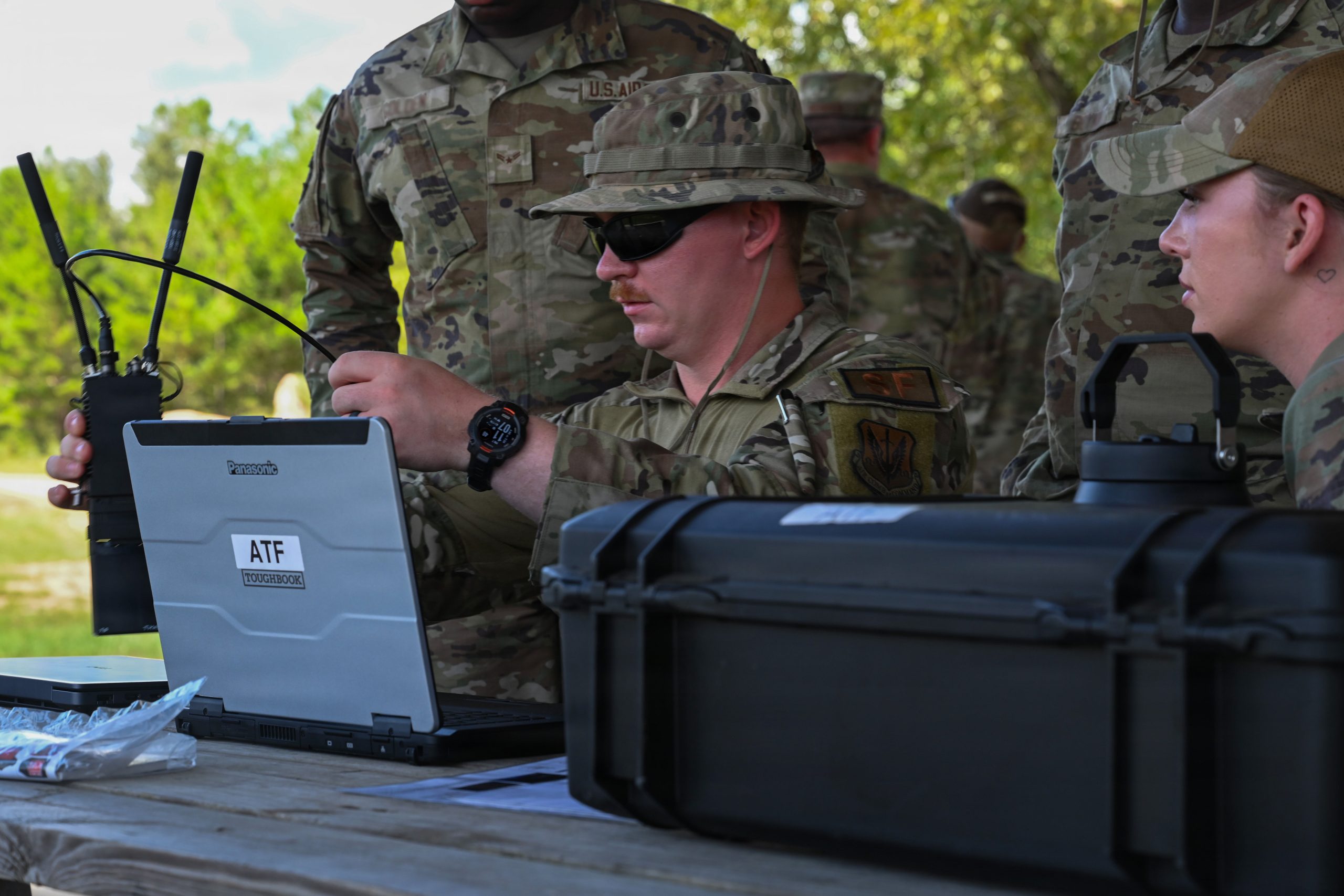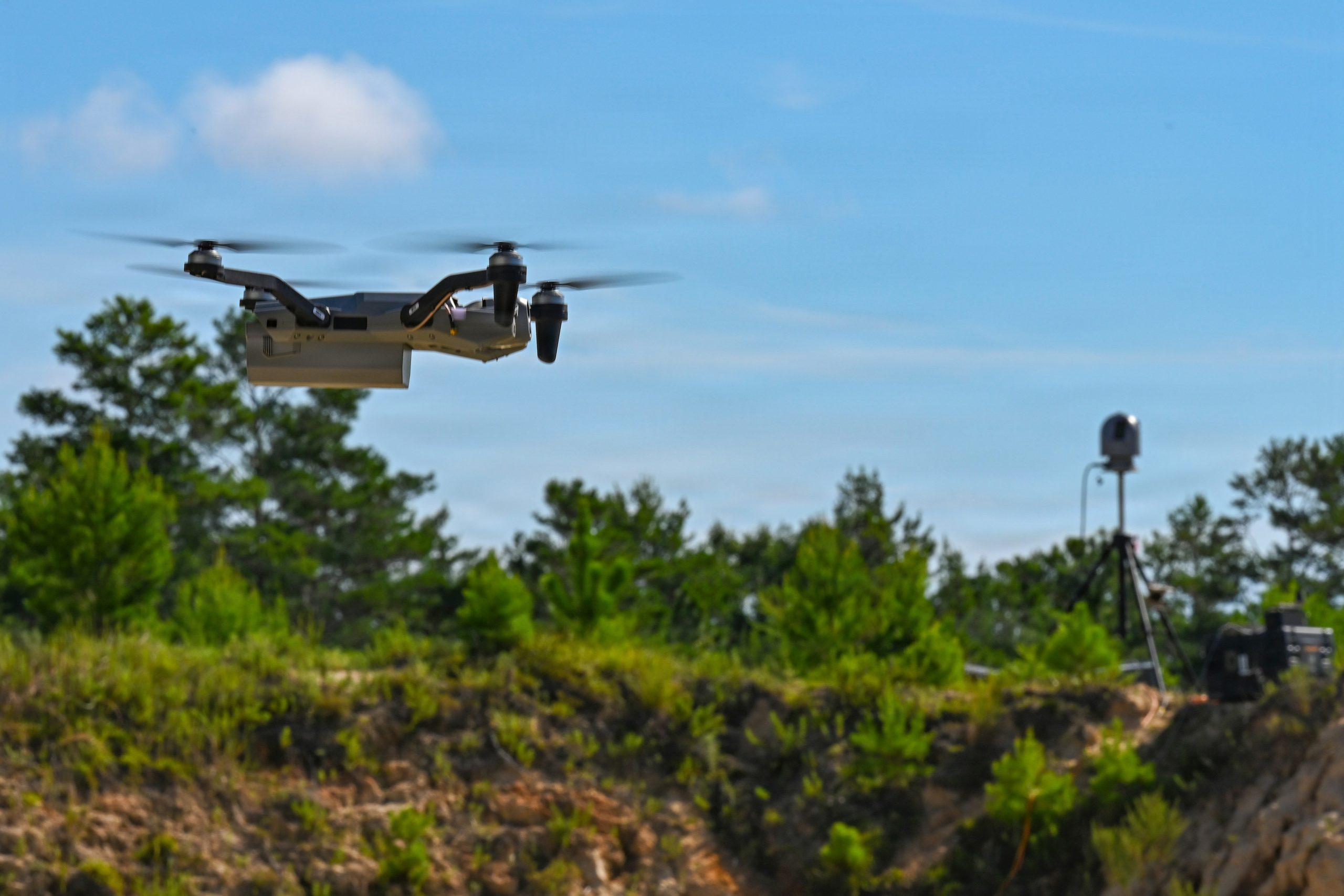
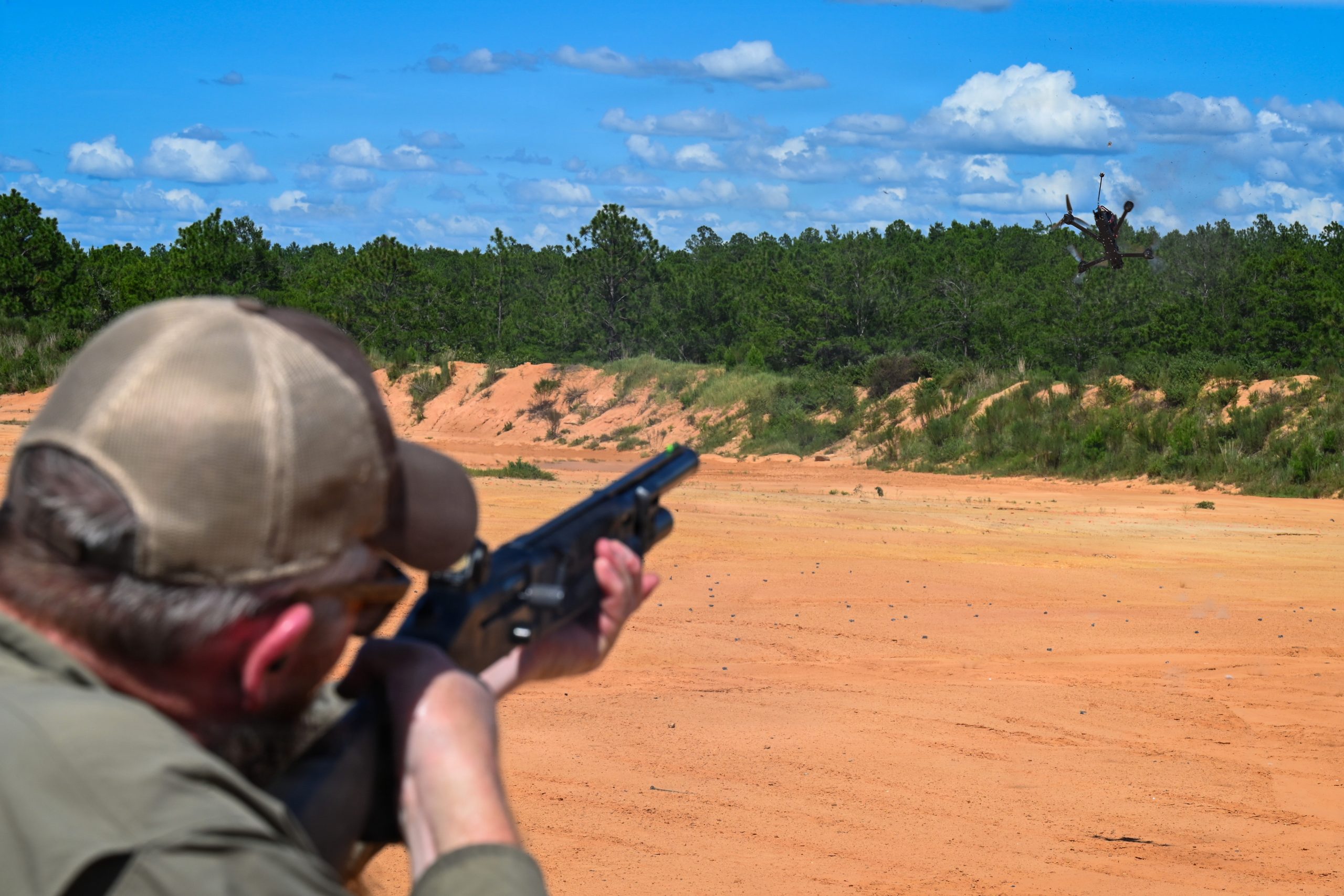
The U.S. Air Force 31st Air Task Force (ATF) completed a live-fire demonstration titled «Final Denial» from August 3 to 7, 2026, validating a layered defense architecture against small unmanned aerial systems (sUAS). Building upon preliminary concepts introduced during a February field exercise, the week-long event integrated force protection protocols with multi-domain counter-drone tactics for personnel assigned to the 31st ATF and the 31st Combat Air Base Squadron.
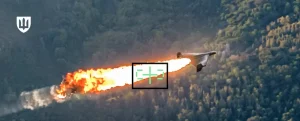
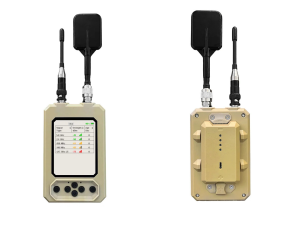
The operational framework incorporates detection, electronic warfare mitigation, and kinetic interception of hostile airborne targets. Throughout the exercise, personnel trained on artificial intelligence-powered surveillance systems capable of detecting, tracking, and filtering objects—distinguishing between aircraft, drones, and wildlife. Operational data was synchronized in real time through an expeditionary base defense operations center to maintain command-and-control oversight, as reported by DVIDS.
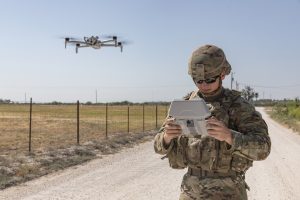
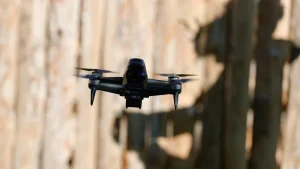
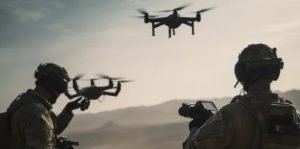
The exercise brought together defense leaders and technical experts from Air Force Special Operations Command and the 1st Special Operations Wing to evaluate emerging counter-UAS capabilities. Training scenarios focused on organic reconnaissance and the neutralization of high-speed sUAS targets executing simulated hostile flight profiles.
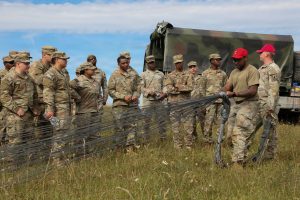
By integrating commercial technology with existing service inventory, the 31st ATF established a dedicated instructor cadre to train personnel in tracking, jamming, and kinetically neutralizing aerial threats. The unit, comprising a command-and-control element and a combat air base squadron of up to 2,500 personnel across more than 60 specialty codes, provides base operating support and logistics for agile combat employment.