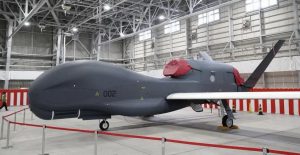
The Saudi-led coalition announced the interception and destruction of a Houthi drone south of Mecca on Tuesday evening, following a series of brief official warnings issued by Saudi authorities regarding the threat of hostile aircraft approaching the holy city.
Coalition spokesperson Turki al-Maliki described the attempted attack as a disgraceful act, emphasizing that military forces will take necessary and deterrent measures against the Houthi militia.
Amid the incident, the Organization of Islamic Cooperation (OIC) issued a sharp statement condemning the attempted assault on Mecca, labeling it a crime and a terrorist act directed against religious sanctuaries and millions of believers.
Meanwhile, the Houthis strongly denied direct involvement in strikes targeting Mecca. Military spokesperson Yahya Sarea stated that the launch of drones and missiles was strictly a response to over 450 Saudi airstrikes conducted over the preceding week, adding that the rebel operations pose no threat to civilian targets or pilgrims. Against the backdrop of escalating tensions and the breakdown of a long-standing truce, the U.S. Embassy in Saudi Arabia updated its travel advisories as the international community continues to monitor mounting regional instability.
The widening conflict has simultaneously struck at the heart of regional energy infrastructure. Saudi Arabia temporarily shut down its vital 1,200-kilometer East-West pipeline as a precaution following an aerial drone attack. Both Baghdad and Riyadh indicated that the strike originated in Iraq, where Iranian-backed militias operate, prompting the Iraqi government to dismiss a military commander and close a key border crossing. The pipeline has served as the primary export route for millions of barrels of Middle East oil daily while the Strait of Hormuz has remained largely restricted by war.