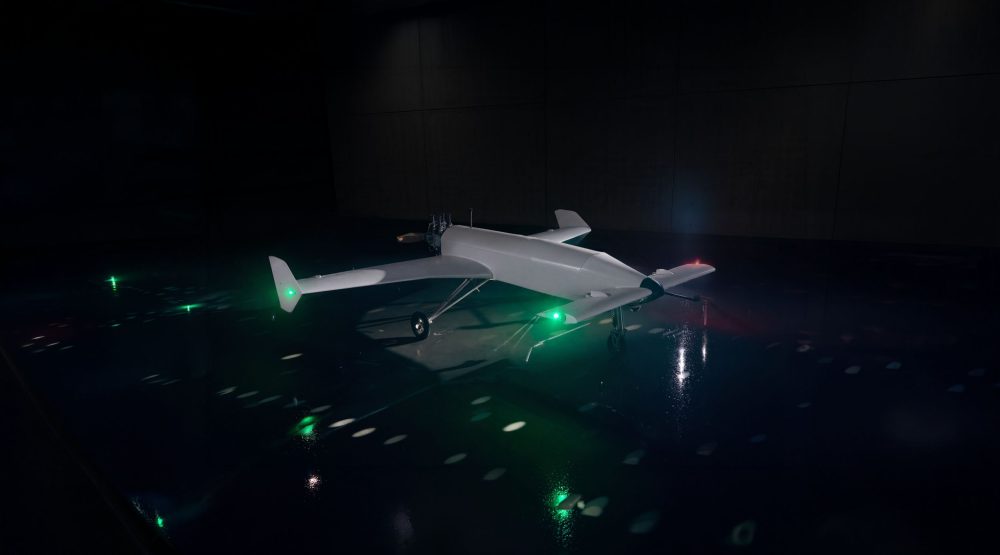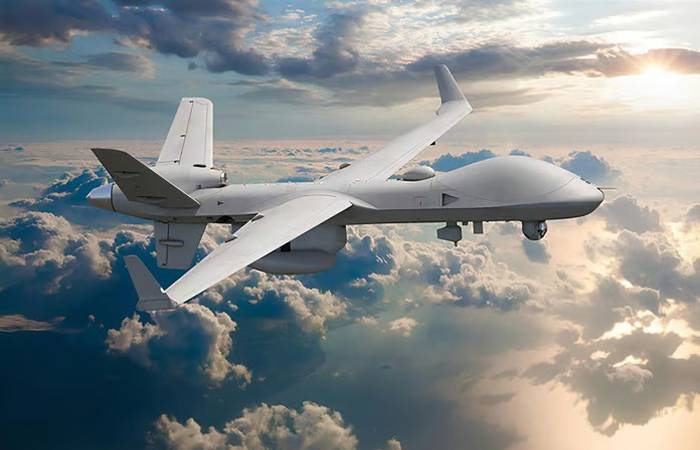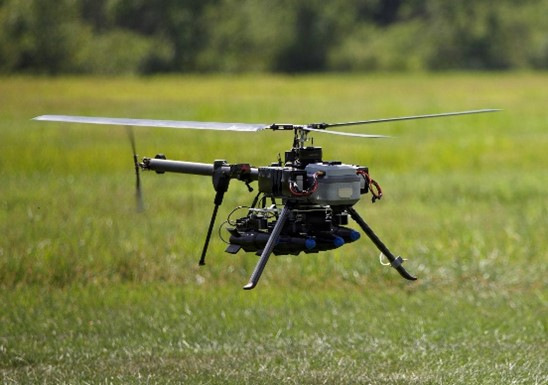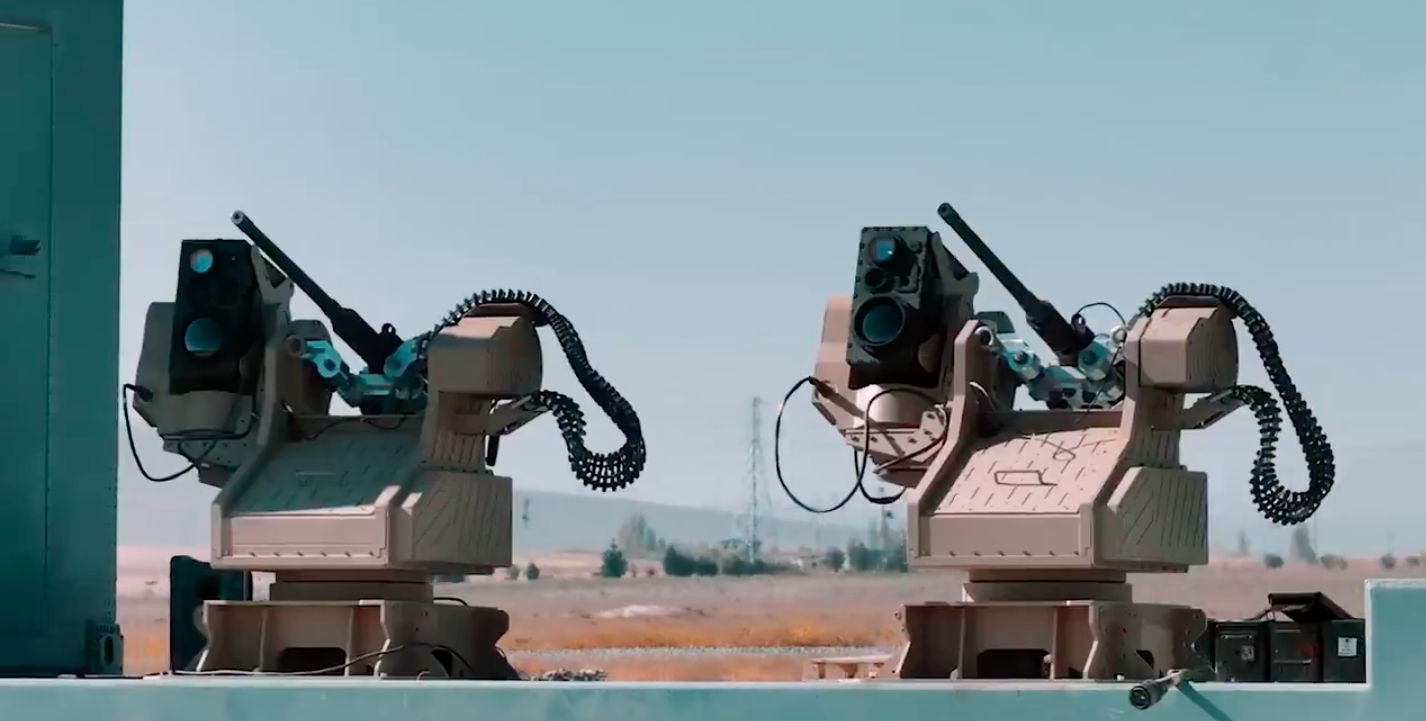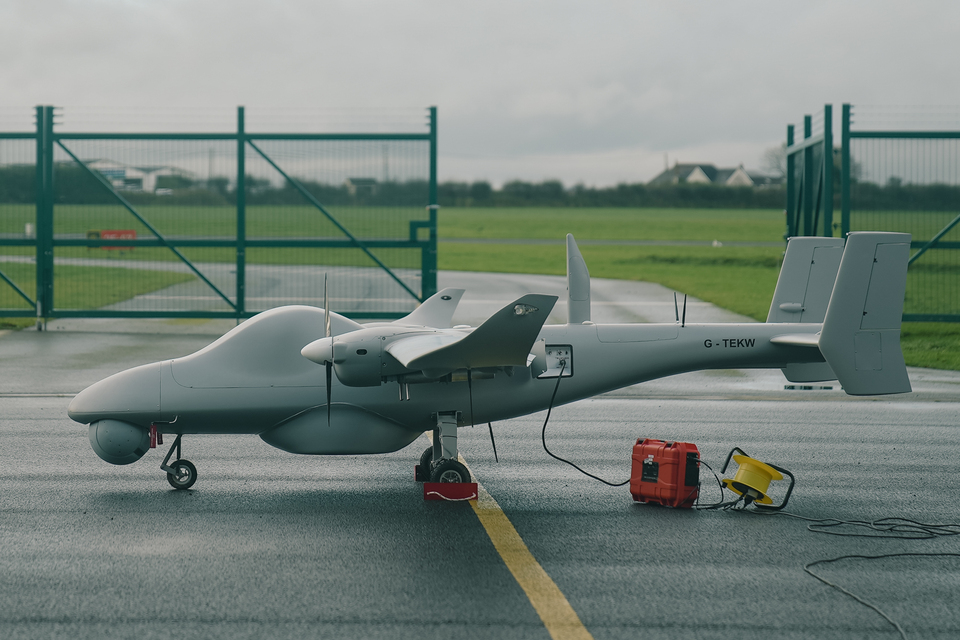
The British Army is developing autonomous armed drones that will operate alongside AH-64E Apache attack helicopters. Project NYX is intended to expand the Apache’s capabilities in reconnaissance, target detection, electronic warfare and strikes in areas with strong air defenses.
The program has been allocated £220 million. The British Army plans to acquire up to 24 autonomous drones by 2030 to operate alongside a fleet of 50 AH-64E Apaches. At the same time, NYX is still at the concept demonstration stage, and no decision has yet been made on the number of such systems beyond 2030.
The Project NYX concept was presented at DVD 2026. It is based on the “commanded, not controlled” principle. This means Apache crews will assign tasks or desired outcomes to the drones, while the autonomous system will handle a significant part of mission execution.
NYX missions include reconnaissance, surveillance, target detection and tracking, countering air defense systems, launching effectors, conducting strikes, and working with other launched effectors.
Under the British Army’s concept, autonomous drones will be able to operate ahead of crewed Apaches. They are intended to carry out missions closer to dangerous areas, while the helicopter crew can remain at a greater distance.
Another focus of NYX is electronic warfare. The unmanned systems are expected to be able to operate closer to enemy communications and radar systems, carrying out missions to detect and counter such systems.
The program also includes the use of armed autonomous drones. They are intended to complement the Apache’s own weapons and expand the number of effectors available to a single aviation group.
Project NYX is being developed as a Land Autonomous Collaborative Platform concept demonstrator. In May 2026, the UK Ministry of Defence selected four companies to continue the work — Anduril Industries UK, BAE Systems, Tekever and Thales UK. As part of the next stage, up to two participants were planned to remain to develop prototypes.
The official NYX requirements call for multifunctional missions in contested airspace, including countering defensive systems and integrating with launched effectors.
The British Army plans to complete the demonstration phase in 2028. The results are expected to determine the system’s further development and the possibility of entering service from 2030.