In April 2026, Blackhawk Company, 2nd Battalion, 7th U.S. Cavalry Regiment, began a 10-day training rotation at the Joint Multinational Readiness Center in Hohenfels, Germany, as part of the Combined Resolve exercise. The unit’s opposition force was reinforced by Ukraine’s 412th Unmanned Systems Regiment, known as “Nemesis,” an elite drone unit with extensive combat experience.
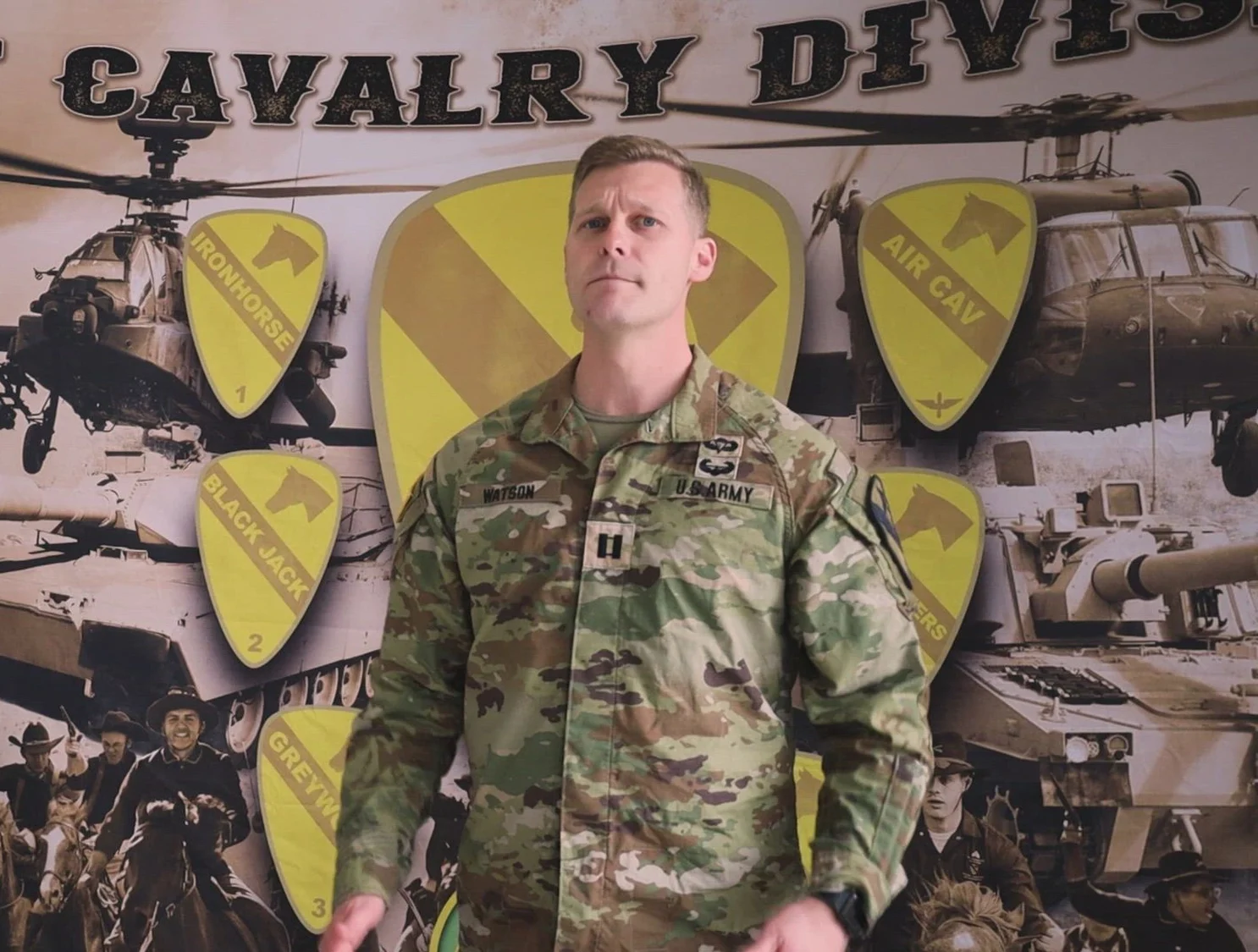
The exercise later drew attention when the Wall Street Journal reported that Ukrainian drone units had easily spotted and defeated U.S. troops and armored vehicles during Combined Resolve, describing the outcome as a “drubbing” of the American mechanized unit. Capt. Allan W. Watson, who commanded Blackhawk Company during the rotation, wrote in Task & Purpose that this framing doesn’t capture what actually happened in Hohenfels, and laid out his own account of the exercise.
Reconnaissance drones were overhead almost as soon as Blackhawk Company entered the training area, and stayed there throughout the defensive phase of the exercise. The unit did not have the counter-drone equipment it would have wanted, and was not part of the Army’s Transformation-in-Contact program that fields newer technology directly to soldiers. Instead, the company changed how it operated. It improved concealment, dispersed vehicles more widely, and moved Bradley Fighting Vehicles through steep, heavily wooded terrain that mechanized units typically avoid, denying Nemesis the easy sightlines it expected.
“We adapted, accepting that the sky — in perpetuity, not just sporadically — was now part of the battlefield,” Watson wrote.
Even with drone reconnaissance overhead, Nemesis still needed traditional ground reconnaissance to exploit what its drones found — a detail Watson says is easy to overlook. The company did lose Bradleys and tanks during the exercise, but he argues that doesn’t mean heavy armor is a liability against drones. Instead, he says the vehicles gave soldiers the protection and mobility to keep operating in terrain that would have slowed lighter formations.
By the sixth day, the exercise shifted to offensive operations, with the same Ukrainian drone operators who had spent days hunting Blackhawk from the air now working alongside the company. According to Watson, the Ukrainian unit demonstrated techniques for flying low-cost drones over long distances and managing fast sensor-to-shooter kill chains — lessons his soldiers can now carry into their own formations.
His broader takeaway is that despite the sophistication of drone warfare, the human element remains the decisive factor — and the vulnerability that can still be exploited. Once Blackhawk began maneuvering aggressively rather than reacting defensively, he says, the overhead threat began to ease.