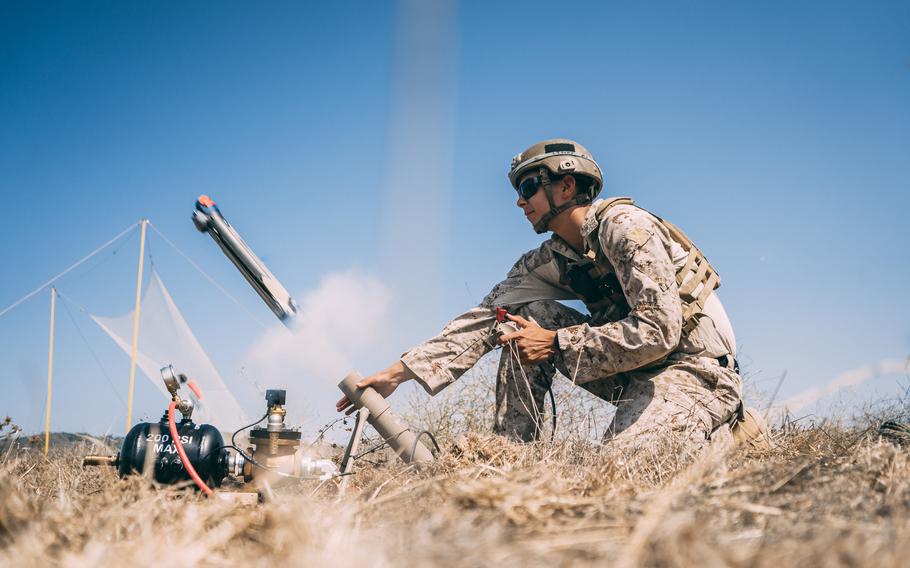
Imagine an infantry squad on foot patrol spotting an enemy tank two miles down the road. Instead of calling in air support or waiting on heavy artillery, a soldier simply unzips a backpack, launches a small kamikaze drone, and neutralizes the armor on the spot.
That vision just moved through another round of risk-reduction testing in the Arizona desert. According to an official update published by the U.S. Army in «The Outpost», the official news outlet of Yuma Proving Ground, tests are currently underway for four competing defense vendors under the Low Altitude Stalking and Striking Ordnance (LASSO) initiative. Overseen by Product Manager Precision Strike & Reconnaissance Systems, the program falls under the Army’s broader Launched Effects family of systems, designed to put organic, man-portable loitering munitions directly into infantry hands by the summer of 2028.
While loitering munitions are already proven on modern battlefields, LASSO’s defining feature is its extreme mobility and minimal logistical footprint. Walter McCormick, a test engineer with the Aviation Systems and Electronic Test Division, emphasized that these backpack-portable platforms require just one or two operators and zero heavy support assets. Operators use handheld fire-control units with dual daytime and thermal infrared optics to identify heat signatures, acquire targets, and initiate strikes. The systems also support autonomous waypoint navigation, though human operators retain final command authority to confirm and execute attacks.
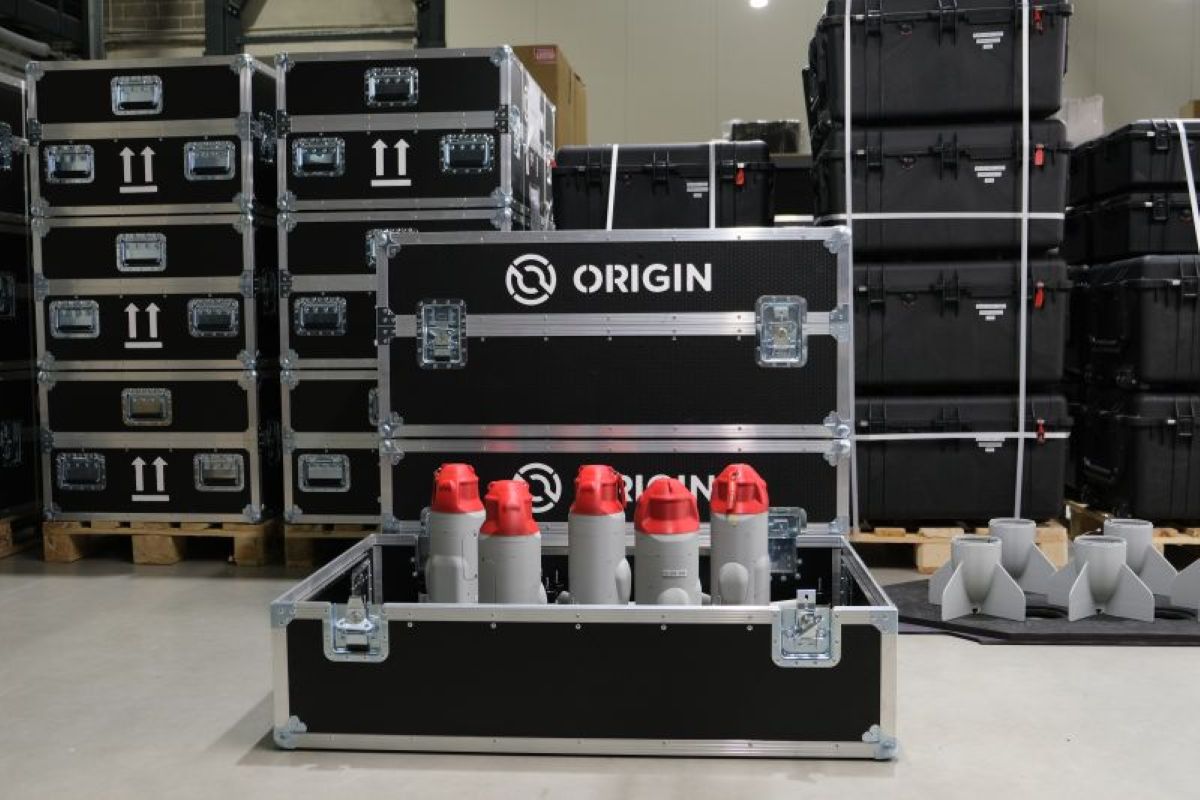
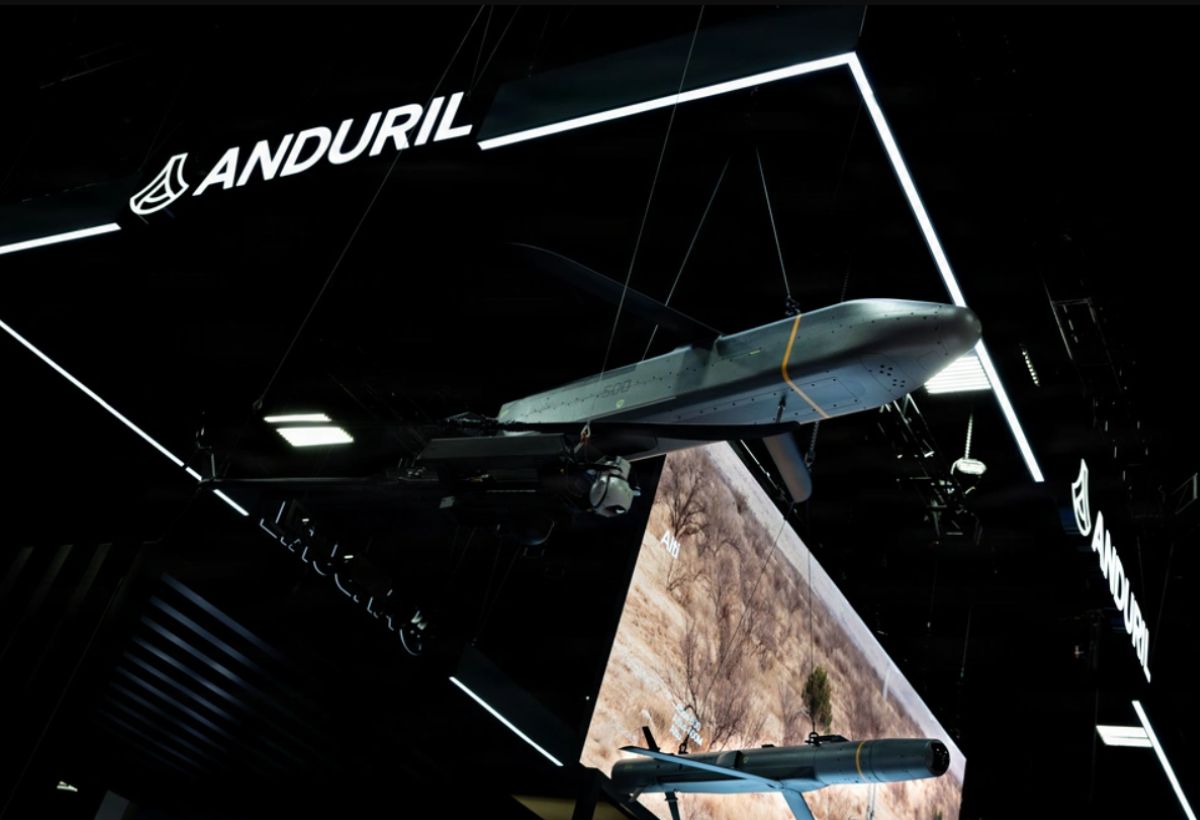
While the U.S. Army has not officially disclosed the full lineup of systems under evaluation at Yuma Proving Ground, public industry agreements reveal who the prime contenders likely are. UVision, in partnership with Mistral, was selected back in January 2026 with its HERO-90 loitering munition. Textron Systems secured a prototype agreement for its Damocles munition in February 2026, featuring vertical takeoff capabilities and an explosively formed penetrator warhead. AeroVironment followed on May 4, 2026, landing an agreement for its Switchblade® 400 medium-range anti-armor platform.
The fourth contender, though unconfirmed by the Army, is almost certainly Teledyne FLIR Defense. During the same timeframe, the company signed a two-year contract to deliver a variant of its Rogue 1 lethal UAS for test and evaluation under the LASSO program, with up to 130 systems slated for delivery by next summer. Launched in spring 2024, the U.S.-built Rogue 1 is already in service with U.S. Special Operations Command and the U.S. Marine Corps.
As outlined in official solicitation statements, LASSO requires a man-portable, ground-launched UAS with anti-armor capabilities for Infantry Brigade Combat Teams. Rogue 1 fits this requirement as a single-tube, optionally recoverable vertical takeoff and landing platform. It features FLIR Boson® 640+ thermal cameras, a 30-plus minute flight time, speeds exceeding 70 mph, and a range over 12 miles, operating effectively even in GPS-denied environments. Dr. JihFen Lei, president of Teledyne FLIR Defense, noted that the platform’s precision and autonomy make it ideally suited for LASSO, adding that it can pair with the company’s widely deployed Black Hornet® nano-drone in an unrivaled “hunter-killer” combination to provide tactical overmatch.
Evaluations at Yuma Proving Ground are structured as a multi-stage process. Test engineer Tim Van Goethem confirmed that the current risk-reduction trials represent the first of four testing blocks planned at the facility, paving the way for live-fire warhead tests scheduled for November.
Safety validation remains paramount before live explosives are introduced. Test Officer Myra Angulo explained that safety flights are rigorously testing lost-link failsafes and geofencing boundaries to ensure armed units remain inside designated flight boxes. Beyond these controls, candidate drones will endure climate conditioning chambers and rough handling tests to assess reliability and durability. Data collected throughout the campaign will inform final procurement decisions, with the Army’s overall objective being to field options from all vendors and evaluate their real-world operational differences in the field.