The Royal Netherlands Navy plans to equip its fleet with a new counter-unmanned aerial system (C-UAS) capability using interceptor drones from defense technology firm Destinus. The initiative aims to enhance warship protection against mass aerial drone attacks, addressing an increasingly imbalanced air defense cost dynamic.
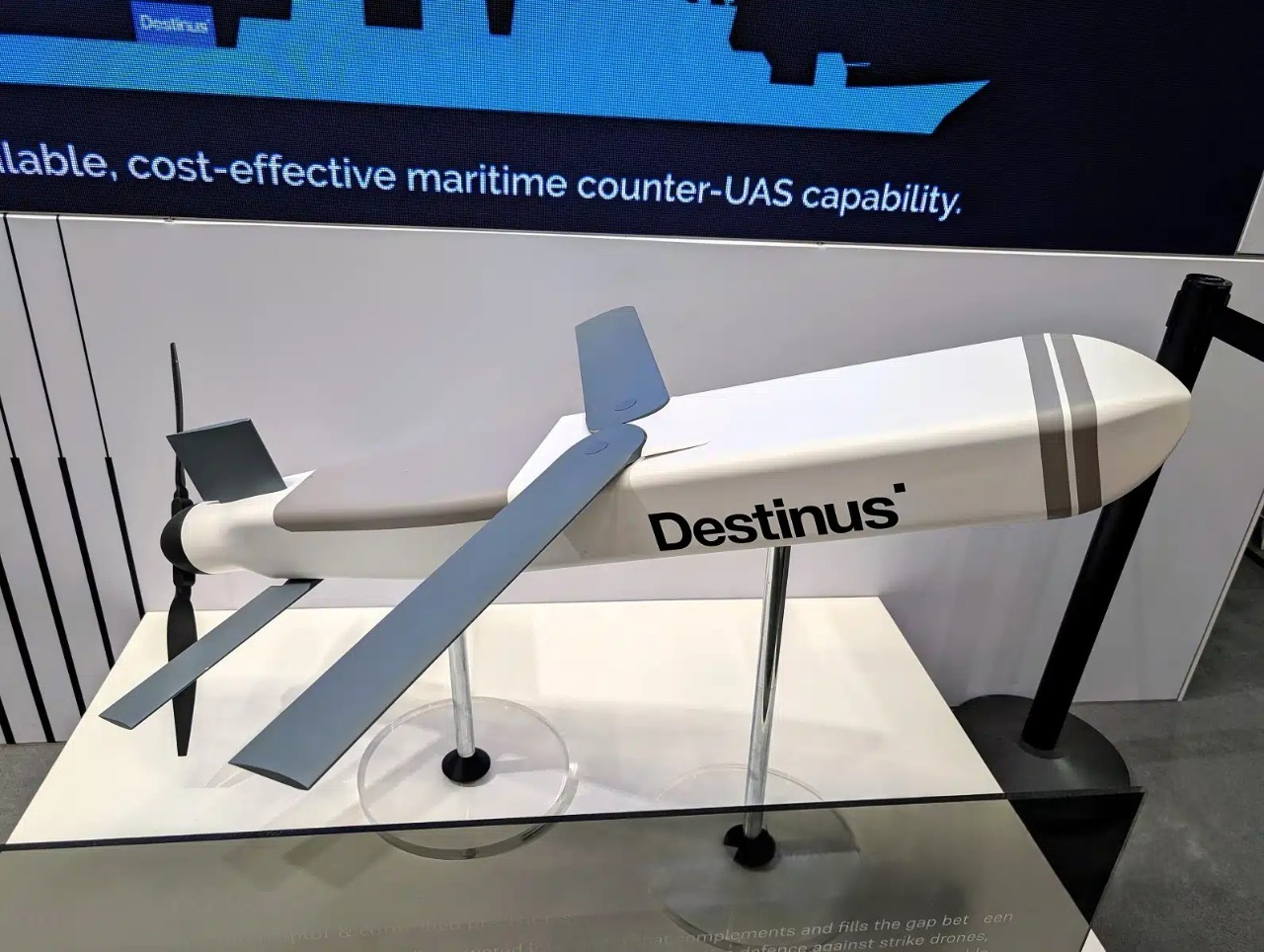
Under the agreement, Destinus will develop a kinetic C-UAS capability built around its Hornet B2 interceptor. Scheduled for completion in the second quarter of 2027, the program encompasses the delivery of interceptor units, integration across multiple naval vessels, and operational support leading to potential initial operating capability. The upcoming system will feature a base station alongside a specialized launch platform, serving as a complement to the fleet’s existing weapons suite, as reported by Defense News.
The operational requirement stems from analysis of current maritime environments, where medium-range drone activity poses a growing risk to surface vessels. Recent conflict patterns in Ukraine demonstrate the utility of low-cost interceptor drones against incoming one-way attack UAVs. This approach offers a tactical alternative for Western surface forces, which have frequently relied on high-cost traditional missiles to neutralize inexpensive threats in regions such as the Red Sea.
According to Destinus, its earlier Hornet B1 model is currently in serial production. The launch sequence utilizes a rocket booster to deploy the interceptor from a sealed canister, after which the vehicle deploys its wings and transitions to electric-powered cruise flight. For terminal engagement, the drone relies on electro-optical and infrared sensors coupled with artificial intelligence processing.
Naval leadership and operational personnel will collaborate with Destinus throughout the evaluation process to refine system specifications and capability requirements directly, reducing the necessity for post-development modifications.