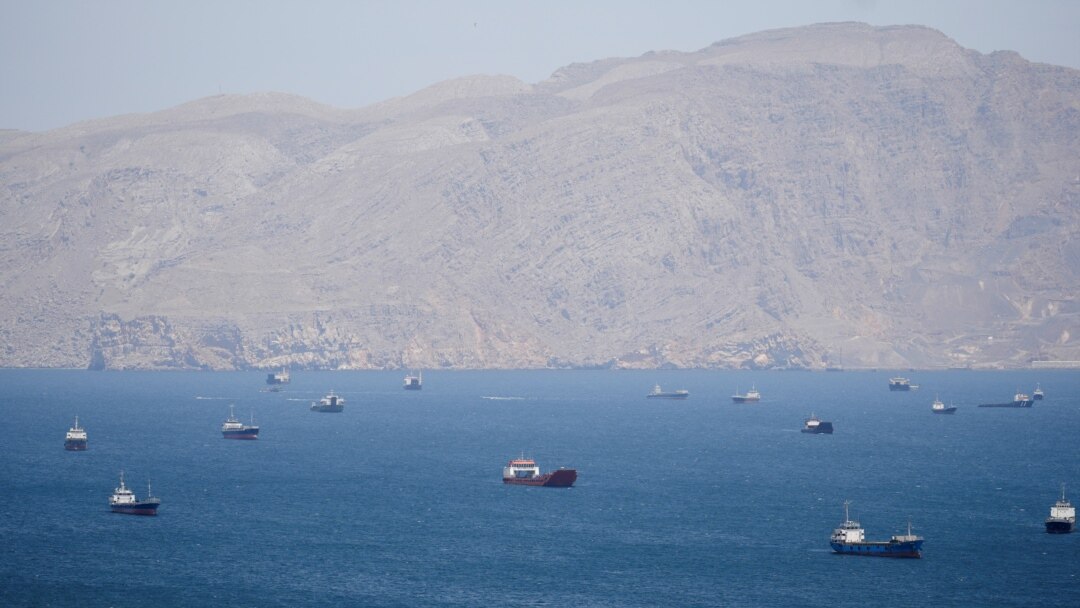
Escalating clashes in the Strait of Hormuz involve disputed military engagements between United States forces and the Iranian Islamic Revolutionary Guards Corps. Iran claimed its forces targeted an unmanned US naval surface vessel attempting to enter a restricted zone on Sunday, while US Central Command dismissed the assertion as completely false.
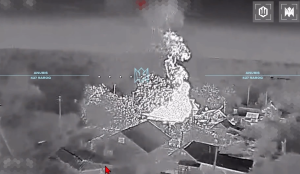
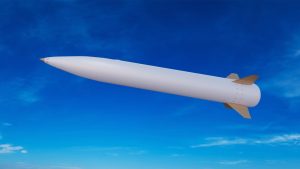
The confrontation follows a tactical escalation on Friday, during which the IRGC launched anti-ship ballistic missiles at two US navy warships. According to CENTCOM, a US aircraft carrier and a guided-missile destroyer successfully evaded the unprovoked strikes. In response, American forces permanently disabled the IRGC crude oil carriers M/T Downy and M/T Stark 1, and completely destroyed the unladen crude oil carrier M/T Kylo in the Gulf of Oman. CENTCOM commander Admiral Brad Cooper stated that the military will not hesitate to defend American forces and target Iran’s oil fleet if attacked.
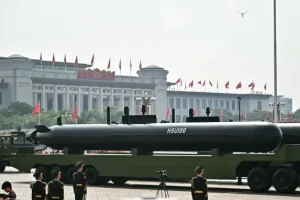
The utilization of anti-ship ballistic missiles against naval vessels marks a significant shift in Iranian military doctrine. Meanwhile, Iranian officials asserted that their new missile technology has become a major operational challenge for US forces. In response to CENTCOM releasing combat footage of the tanker strikes, Iranian parliament speaker Mohammad Bagher Ghalibaf alleged that the media materials were artificially generated using artificial intelligence, warning that any future attacks would face a heavier military response.
Concurrently, maritime operations in the region remain heavily disrupted. CENTCOM reported redirecting 92 commercial vessels, disabling three, and boarding two others to enforce a blockade of Iranian ports, while the United Kingdom Maritime Trade Operations Center noted that 59 ships transited the strait over a 48-hour period.