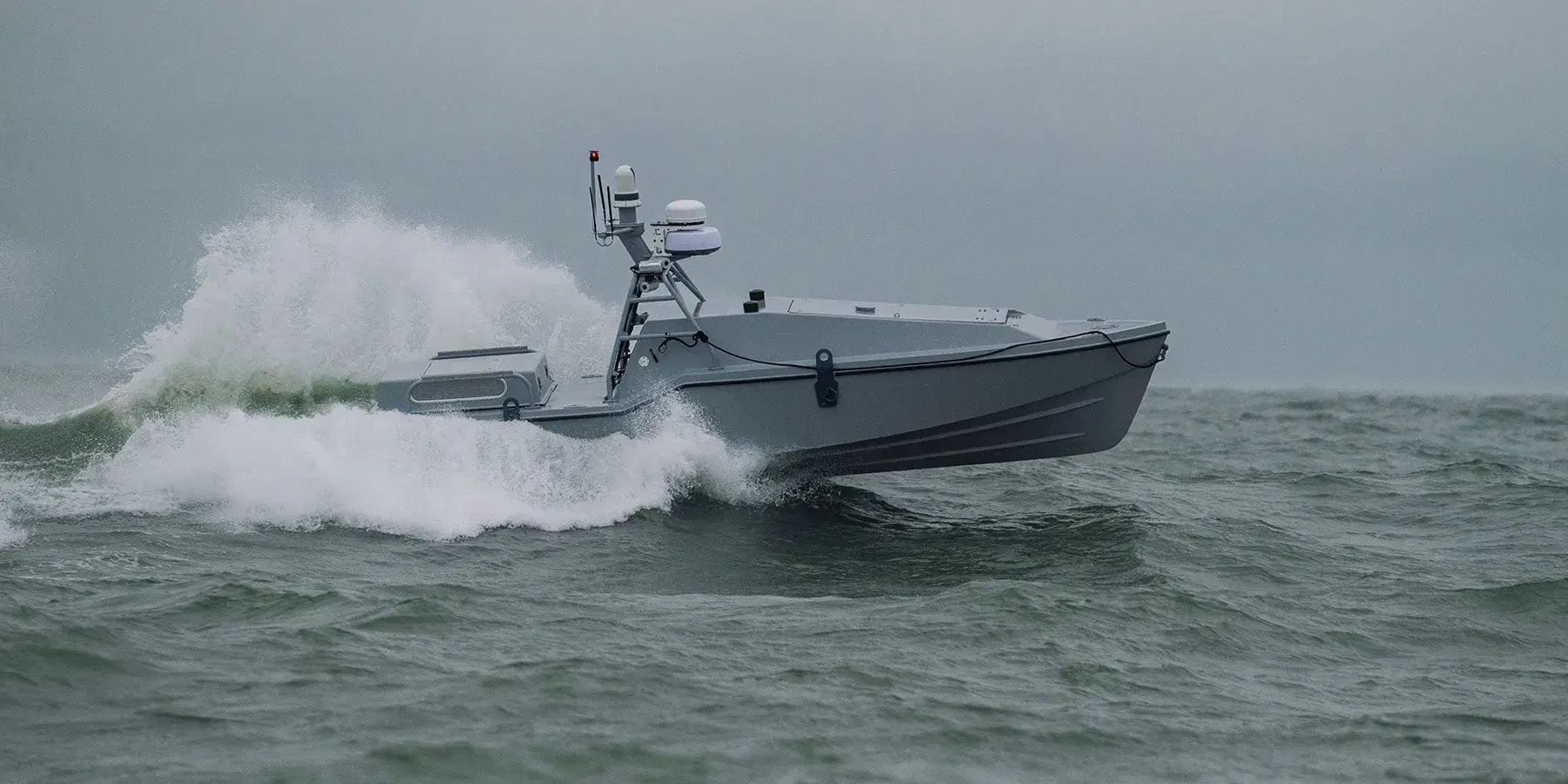
The U.S. Navy has received 300 Corsair autonomous surface vessels during the first year of production.
The 300th vessel was successfully inspected and accepted by the Defense Contract Management Agency (DCMA) office in Texas.
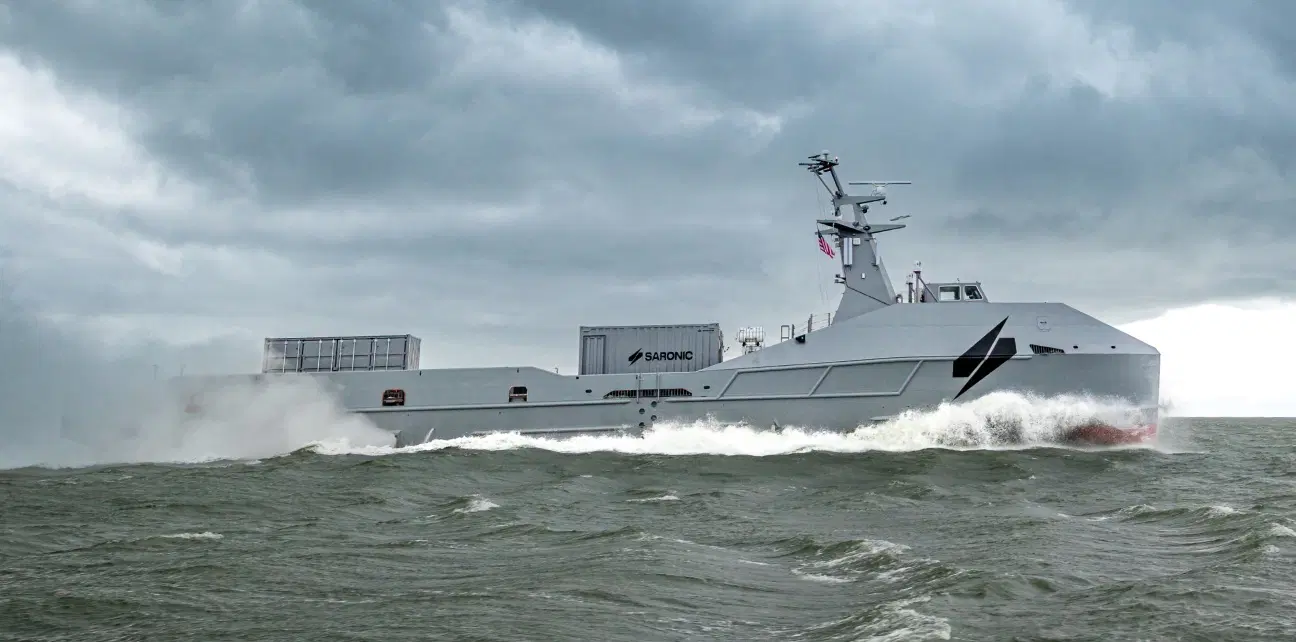
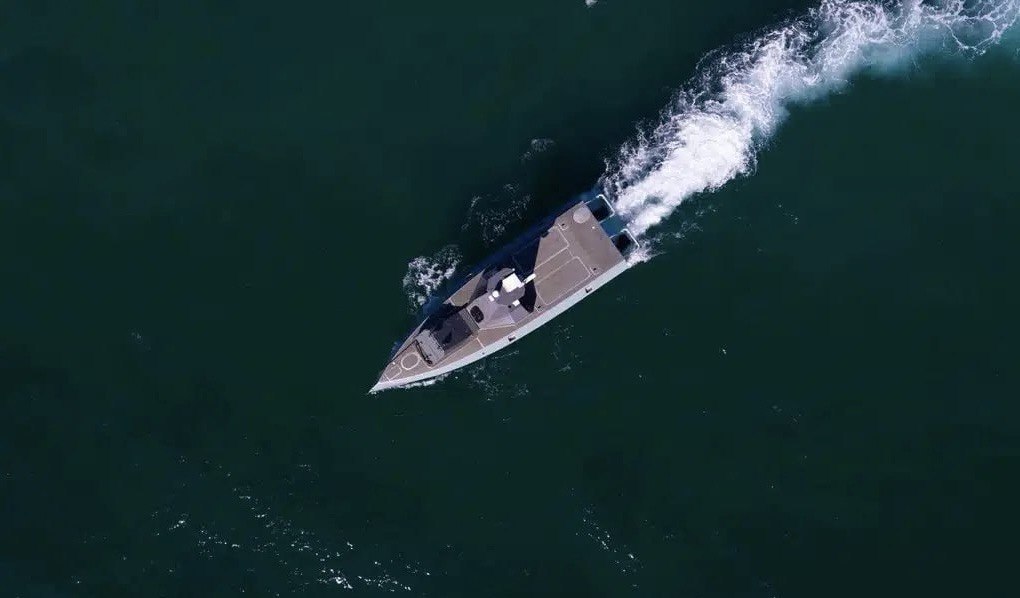
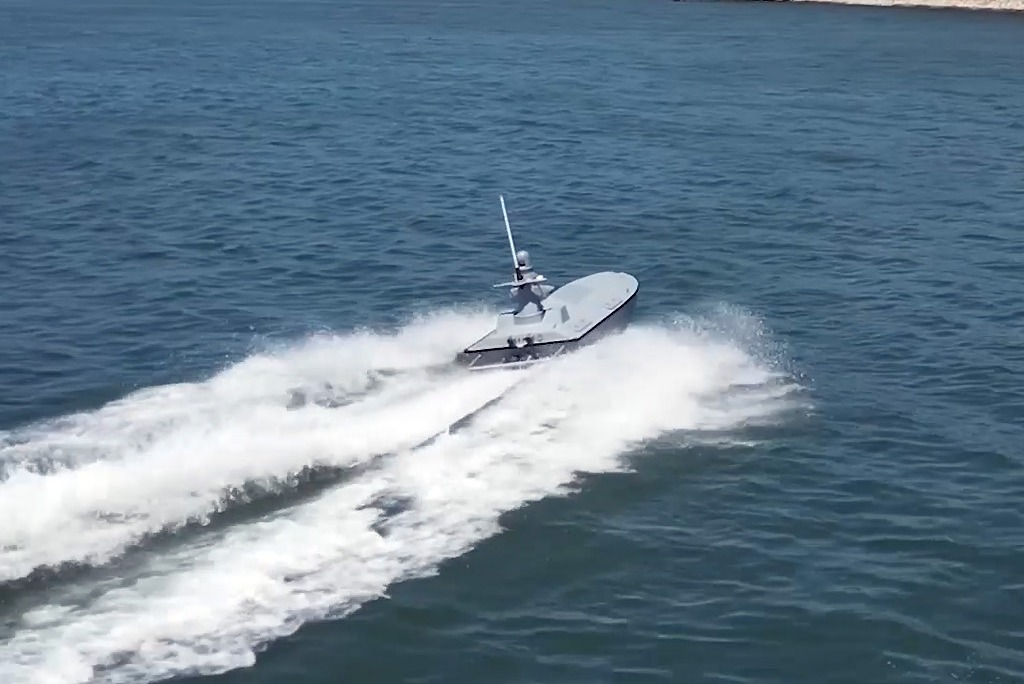
The Corsair is a 24-foot (7.3-meter) autonomous surface vessel (ASV). According to Saronic Technologies, it has a range of more than 1,000 nautical miles, a top speed of more than 35 knots, and can carry a payload of up to 1,000 pounds (about 454 kg).
Production of the Corsair began in June 2025 at Saronic Technologies’ facility in Austin. The company had not previously mass-produced autonomous surface vessels.
Corsair vessels are operated by Task Group 59.1, part of the U.S. 5th Fleet. The unit is responsible for the operational deployment of unmanned systems in coordination with military personnel who operate them.
During the first months of production, the DCMA team inspected one or two vessels per week. As the manufacturing process improved, the facility significantly increased its production rate and expanded its inspection capacity.
In February, the U.S. Navy asked DCMA to provide additional production support to meet urgent operational requirements. The agency’s team worked directly with the facility to develop manufacturing and surveillance processes, helping accelerate delivery of the vessels.
Corsair vessels have already been used in real-world operations. On June 8, one of the autonomous surface vessels helped rescue two U.S. Army pilots who had crashed in the Strait of Hormuz off the coast of Oman.
In mid-July, three Corsair vessels were used in a one-way attack configuration against Iranian targets. The vessels successfully destroyed Iranian submarine and ship maintenance facilities.
The Corsair program is being produced under a $441 million agreement with Naval Sea Systems Command. The rapid expansion of production followed improvements to the manufacturing and quality-control processes at the Austin facility.