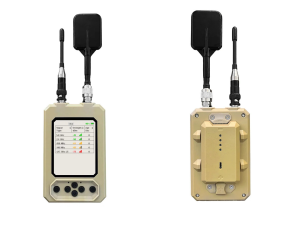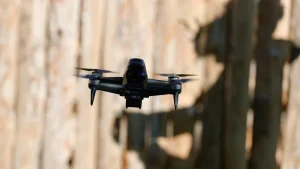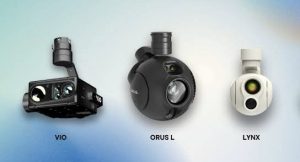
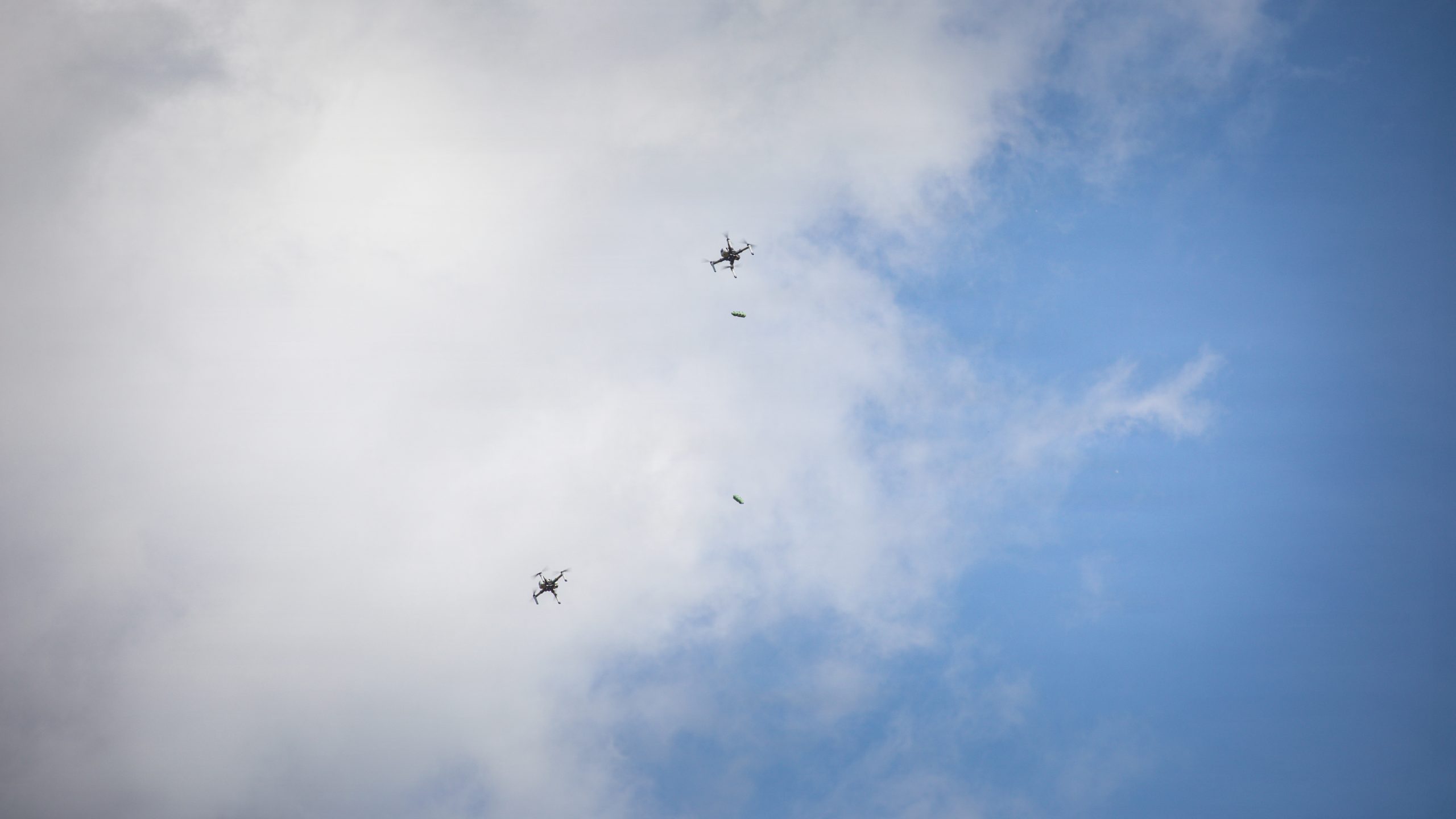
During the Baltic Trust 2026 exercise in Latvia, NATO forces demonstrated a connected counter-unmanned aerial system (c-sUAS) architecture designed to intercept low-flying drone threats. During the demonstration, a kinetic interceptor successfully engaged and destroyed a target drone following real-time target cueing provided by networked sensor systems.
The exercise focused on solving data saturation and interoperability challenges across allied nations. Rather than relying on isolated proprietary systems, NATO utilized open data standards, including SAPIENT (Sensing for Asset Protection with Integrated Electronic Networked Technology), to link disparate sensors, jammers, and command-and-control node software into a single operational picture. Officials noted that counter-drone decision cycles require latency measured in milliseconds to effectively manage massed, low-cost drone threats without exhausting high-cost interceptor inventories. This was reported by DVIDS.
Engineers and military personnel from multiple member nations, including the United Kingdom, the Netherlands, Latvia, Italy, and the United States, tested the cross-border passage of real-time threat data. The trial successfully demonstrated automated tracking and tasking lifecycles, enabling one nation’s sensor network to cue defense systems managed by allied units.
NATO software engineers acknowledged that operational deployment across multi-national networks still faces technical challenges, particularly regarding the high-speed transmission of classified data across national boundaries. Further development and testing of security layers will be conducted in upcoming exercises to ensure full operational deployment readiness across the alliance’s eastern flank.