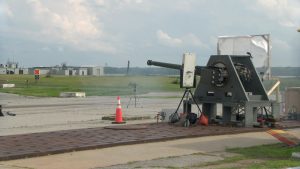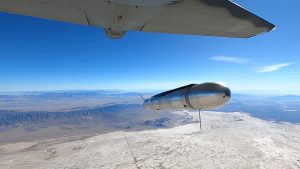
At the Eldorado Training Grounds in Texas, an event took place that could reshape the rules of the modern battlefield. The annual Rio Robotico trials, hosted by the Defense Threat Reduction Agency, brought together military personnel, engineers, and developers around a single objective — to test how quickly and effectively unmanned systems can detect chemical, biological, radiological, and nuclear (CBRN) threats.
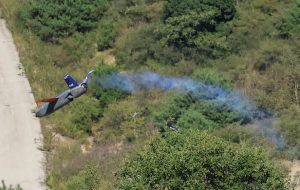
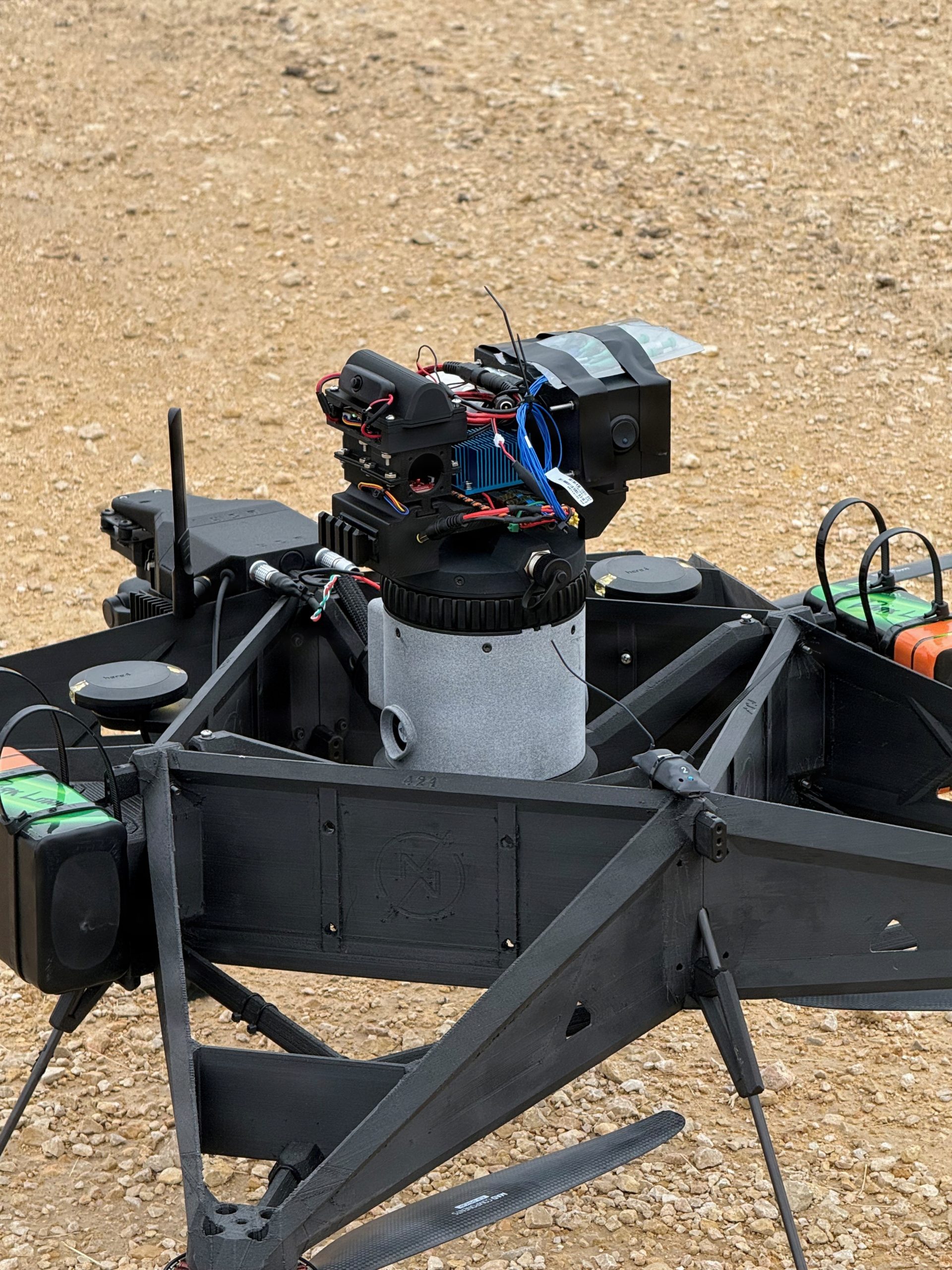
At the center of attention were autonomous platforms — both unmanned ground vehicles and unmanned aircraft systems. These carried a range of sensor and autonomy payloads, spanning everything from early prototypes to systems nearly ready for fielding. The goal was straightforward and uncompromising: evaluate the technology in conditions as close to combat as possible and receive immediate feedback from the operators who will actually use it, as reported by DVIDS.
“Testing events like Rio Robotico can accelerate the deployment of new capabilities by several years,” stated Chika Nzelibe, Product Design and Development Division chief at DEVCOM CBC. According to her, it is also a far more cost-efficient way to weed out weak solutions before they reach serial production.
The event served as the logical culmination of work conducted throughout the year under cooperative research and development agreements. These agreements enable the Army’s Chemical Biological Center to collaborate rapidly with industry and universities. As a result, the range brought together not just separate teams, but a unified ecosystem where operators and developers worked side by side.
The data collected during the integration tests is expected to form the foundation for accelerated fielding of modular autonomous payloads. Separately, the military identified priority areas for joint investment in order to close existing capability gaps as quickly as possible.
“Our main goal is to collaborate, develop, and push capability to the warfighter. To do that, we must continue to strategically develop these partnerships,” emphasized Andrea Bechtel-Mathias, a technology transfer specialist at DEVCOM CBC. In her view, the future lies in combining the talents and efforts of distinct organizations all driving toward the same objectives.
Rio Robotico once again confirmed a simple truth of modern warfare: the side that can field reliable autonomous CBRN detection systems faster will gain a critical advantage.