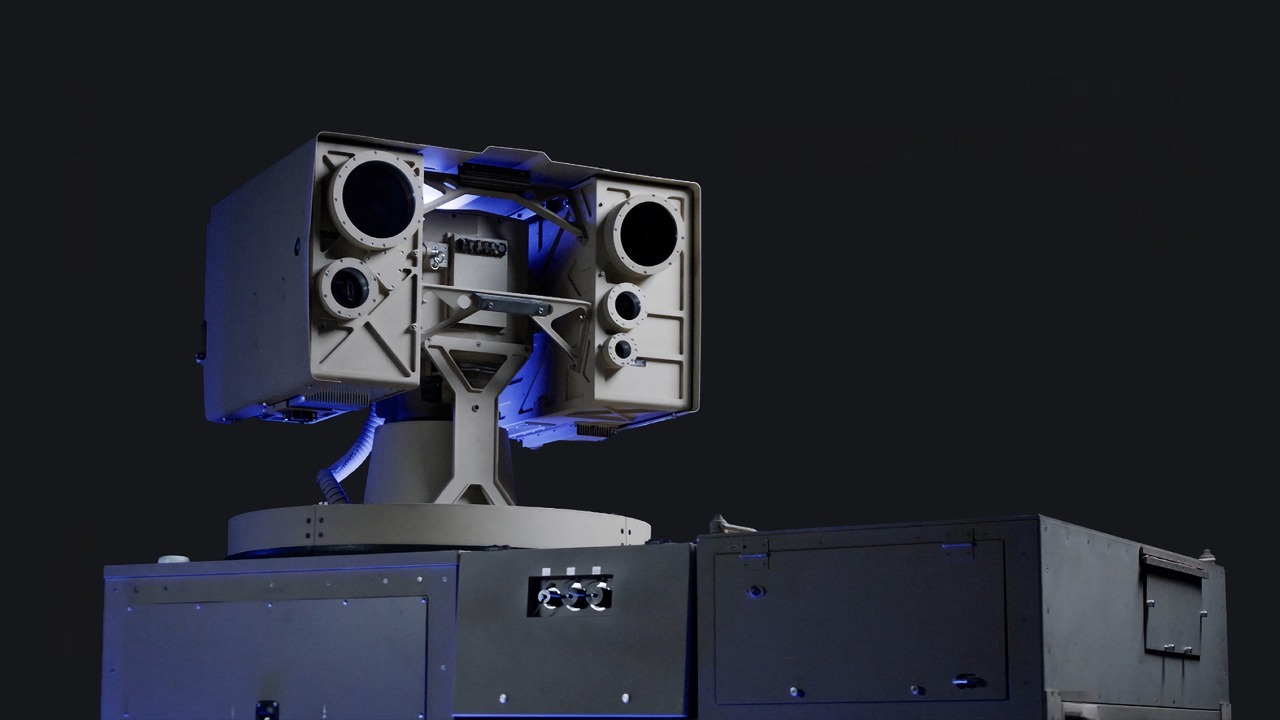
AeroVironment has secured the first international order for its LOCUST high-energy laser counter-drone weapon, confirming a direct commercial sale valued at more than $50 million to an undisclosed foreign customer. The agreement provides an operational directed-energy system designed to defeat unmanned aerial threats at a low cost per engagement, allowing operators to neutralize drones without depleting conventional interceptor missiles.
The export announcement follows closely behind a $464.8 million agreement awarded to AeroVironment by the U.S. Army for the Enduring-High Energy Laser program. This multi-year award marks a transition from prototype development toward sustained production, with the company expected to deliver dozens of units over the next several years for layered air defense against Group 1, Group 2, and Group 3 unmanned aircraft, as reported in a press release by AeroVironment.
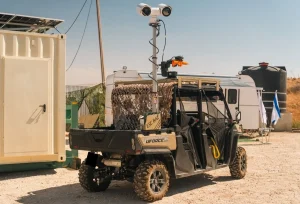
The latest LOCUST X3 configuration features a 30-kilowatt power rating and is engineered for integration with tactical vehicles such as the Joint Light Tactical Vehicle and Infantry Squad Vehicles. This mobility allows directed-energy protection to operate directly alongside maneuver formations, safeguarding command posts and logistics areas from small drone saturation. According to company data, the system can conduct engagements for less than $10 per shot using electrical energy instead of traditional ammunition.
LOCUST enters the export market with an established operational record, having achieved laser kills against drones during southern-border operations and successfully neutralized multiple unmanned aircraft during testing from the flight deck of the aircraft carrier USS George H.W. Bush. These demonstrations proved the system’s capability to protect naval forces from inexpensive one-way attack weapons without consuming high-value surface-to-air missiles.
To support the simultaneous execution of the U.S. Army program and the new international contract, AeroVironment is expanding its manufacturing capacity in Albuquerque, New Mexico. The facility enhancements are backed by state and municipal investments to scale production and establish a reliable supply chain capable of serving both domestic and allied military requirements.