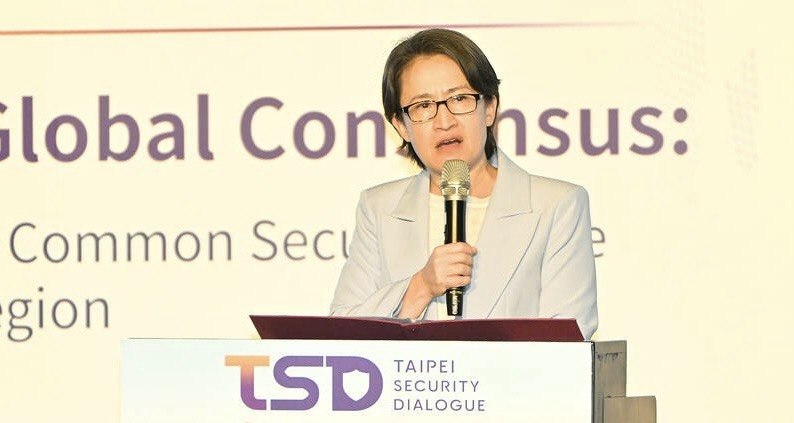
Taiwan is advancing a multilayered air defense strategy and expanding uncrewed systems procurement utilizing a fully non-red supply chain, according to Vice President Hsiao Bi-khim. Speaking at the Taipei Security Dialogue, she noted that lessons drawn from conflicts in Ukraine and the Middle East emphasize the necessity for cost-effective air defense networks, rapid technological adaptation, and counter-drone capabilities.
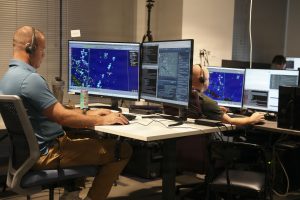
The proposed T-Dome project aims to unify detection and interception capabilities across a multilayered network by integrating high-end and low-cost sensors and interceptors with artificial intelligence-assisted decision-making tools. Hsiao emphasized that weapons delivery represents only a single phase of capability development, underscoring that personnel training, system integration, and combat sustainment remain critical to operational effectiveness, reported in the Taipei Times.
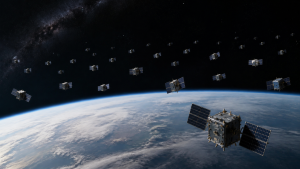
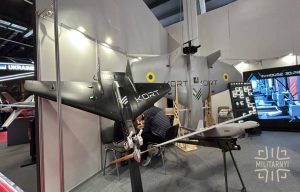
To counter evolving regional threats, the government has submitted a special budget proposal for uncrewed systems, mandating that coastal surveillance, reconnaissance, and attack drones, as well as uncrewed surface vessels, rely exclusively on non-red supply chains. Furthermore, international cooperation and intelligence sharing—utilizing open-source tools, commercial satellite imagery, and maritime tracking data—are being prioritized to enhance maritime domain awareness and protect vital infrastructure such as undersea communication cables.
In parallel with domestic manufacturing initiatives, a delegation led by Chiayi County Commissioner Weng Chang-liang visited Poland to sign a memorandum of understanding with the Pomerania Development Agency. The agreement aims to deepen bilateral industrial ties, foster collaboration in AI and uncrewed vehicle technologies, and integrate supply chains across research, testing, and production sectors.