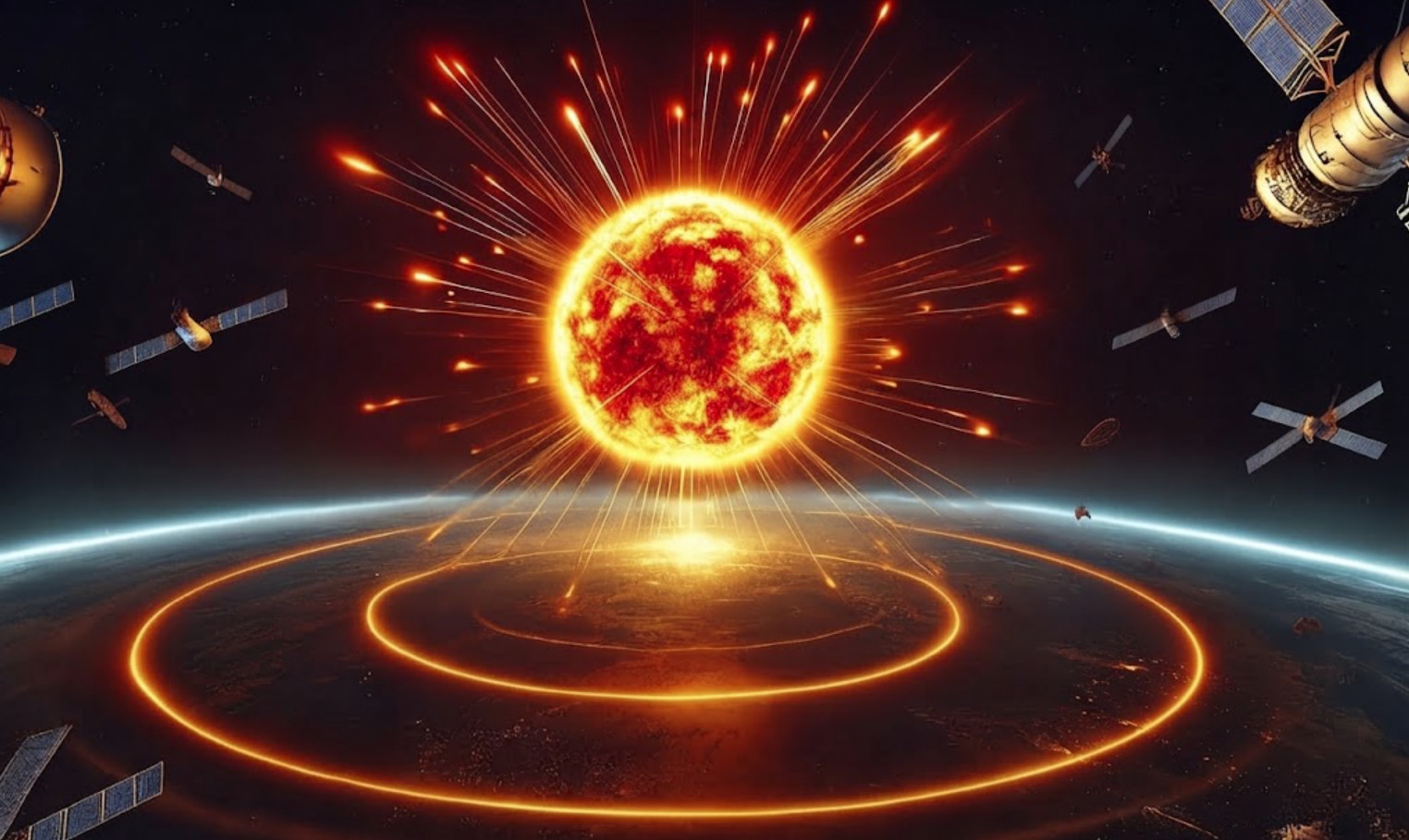
U.S. analysts have conducted a simulation of a nuclear explosion in space triggered by Russia, indicating that such an event would cause widespread damage to satellite infrastructure.
The simulation featured a fictional Russian satellite, Kosmos-2567, executing a nuclear detonation with a yield between 500 kilotons and 2 megatons at an altitude of approximately 400 kilometers, as stated in a report by the American Foreign Policy Council.
The resulting radiation belt could cause 11,000 satellites to fail within a week, and the study notes that the U.S. currently lacks the means to mitigate such consequences in orbit.
The report suggests that Moscow could leverage a space-based nuclear threat against Starlink to restrict Washington or SpaceX support for Ukraine. In response to these vulnerabilities, the proposed concept tasks the U.S. Space Command and the Department of Defense with launching a counter-space nuclear threat program within a year. Neutralization options under consideration include cyber capabilities, lasers, electronic warfare, jamming, kinetic interception, and adapting the “Golden Dome” architecture to detect and neutralize nuclear space threats, alongside a practical recommendation to create advance plans for deorbiting large commercial satellite constellations.
The Pentagon previously confirmed the possibility of a Russian orbital nuclear launch in 2024. Furthermore, a December 2025 Decree on Space Superiority directed relevant agencies to develop a space security strategy protecting U.S. interests, alongside a technology plan to detect, characterize, and counter adversary deployment of nuclear weapons in space, coinciding with the development of a new U.S. nuclear strategy emphasizing tactical nuclear weapons.