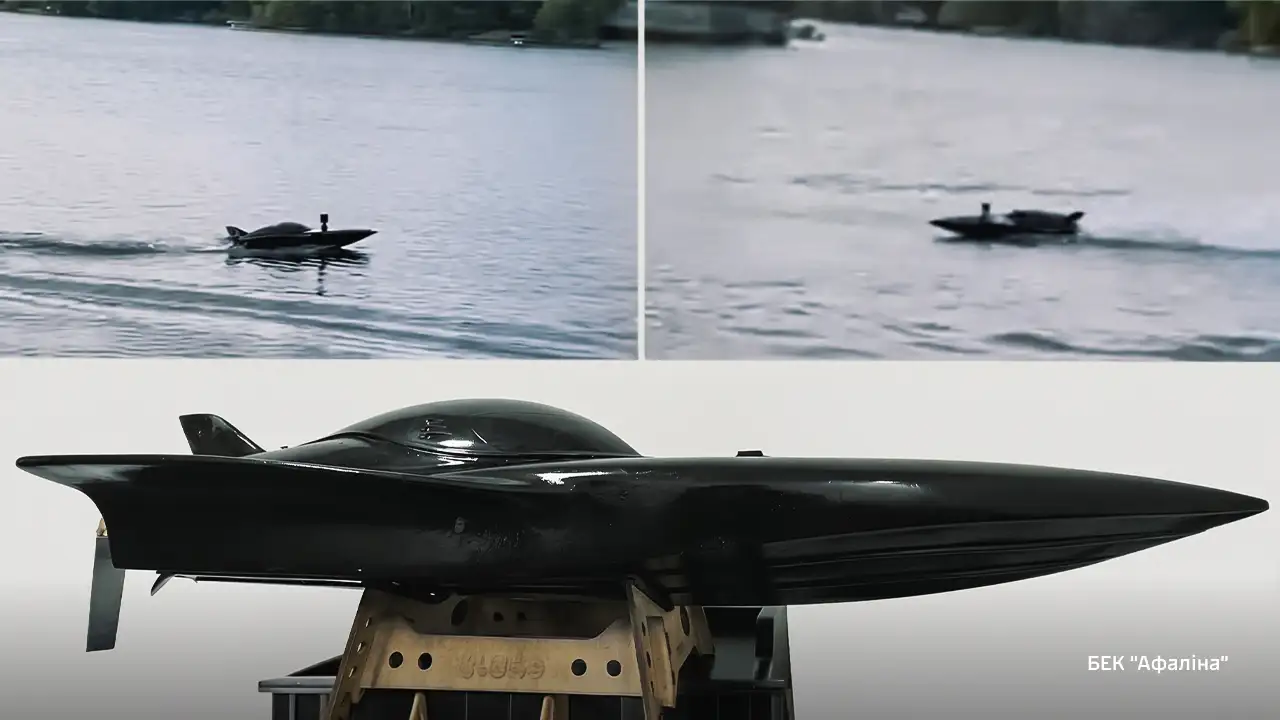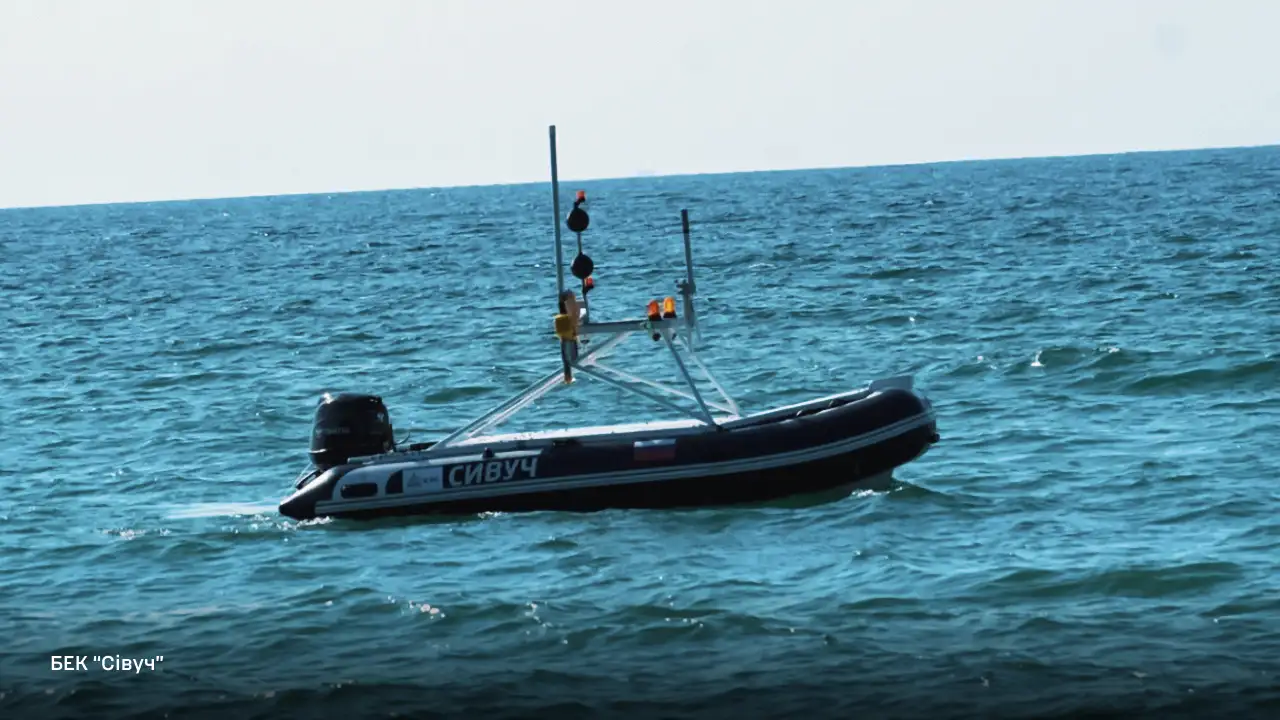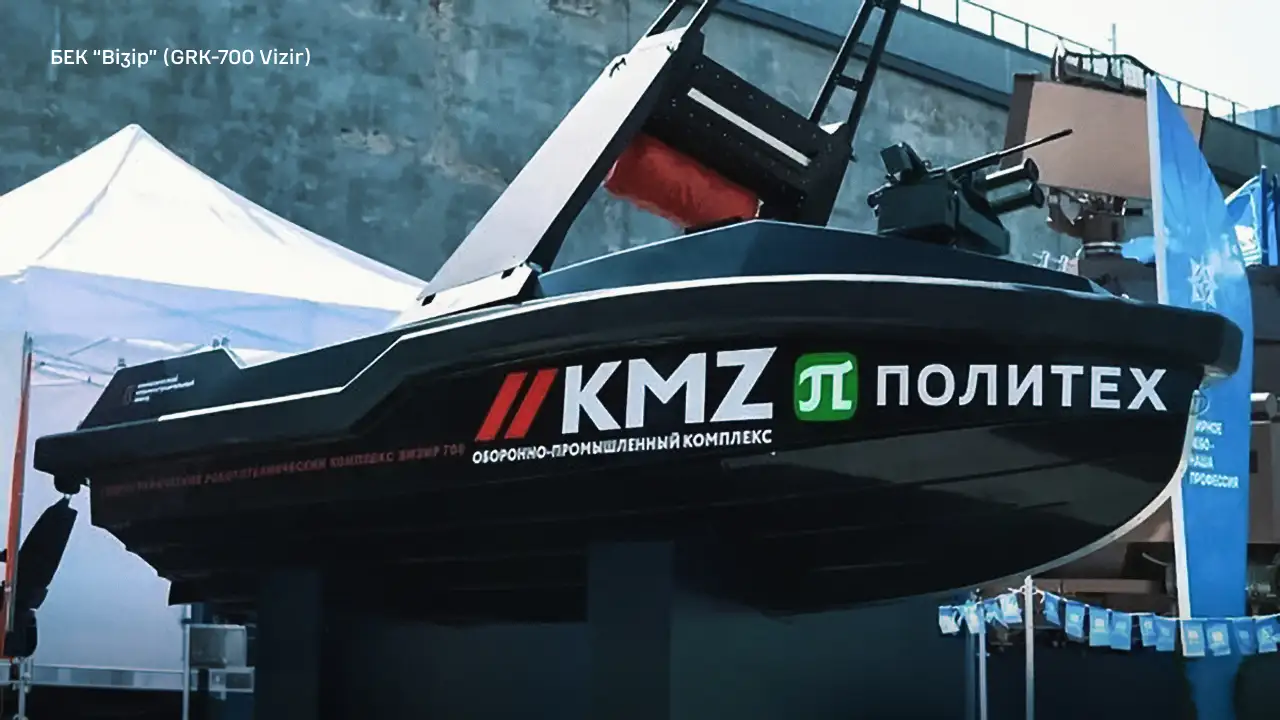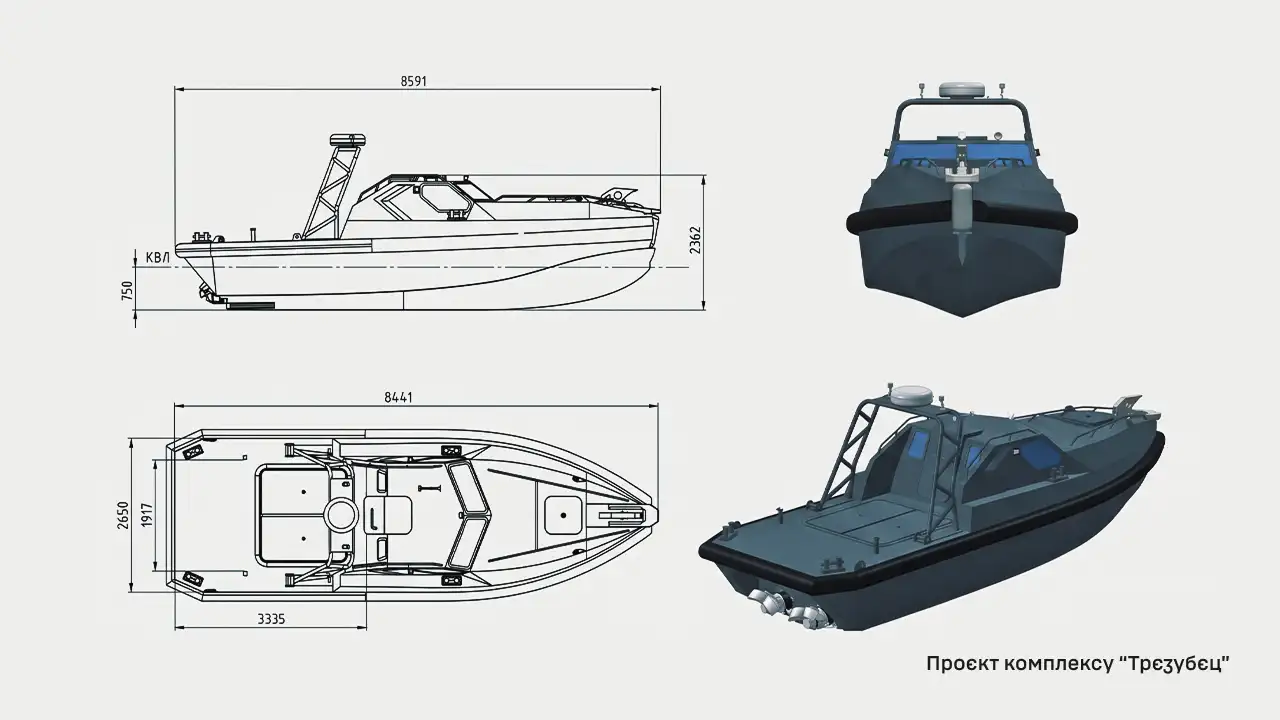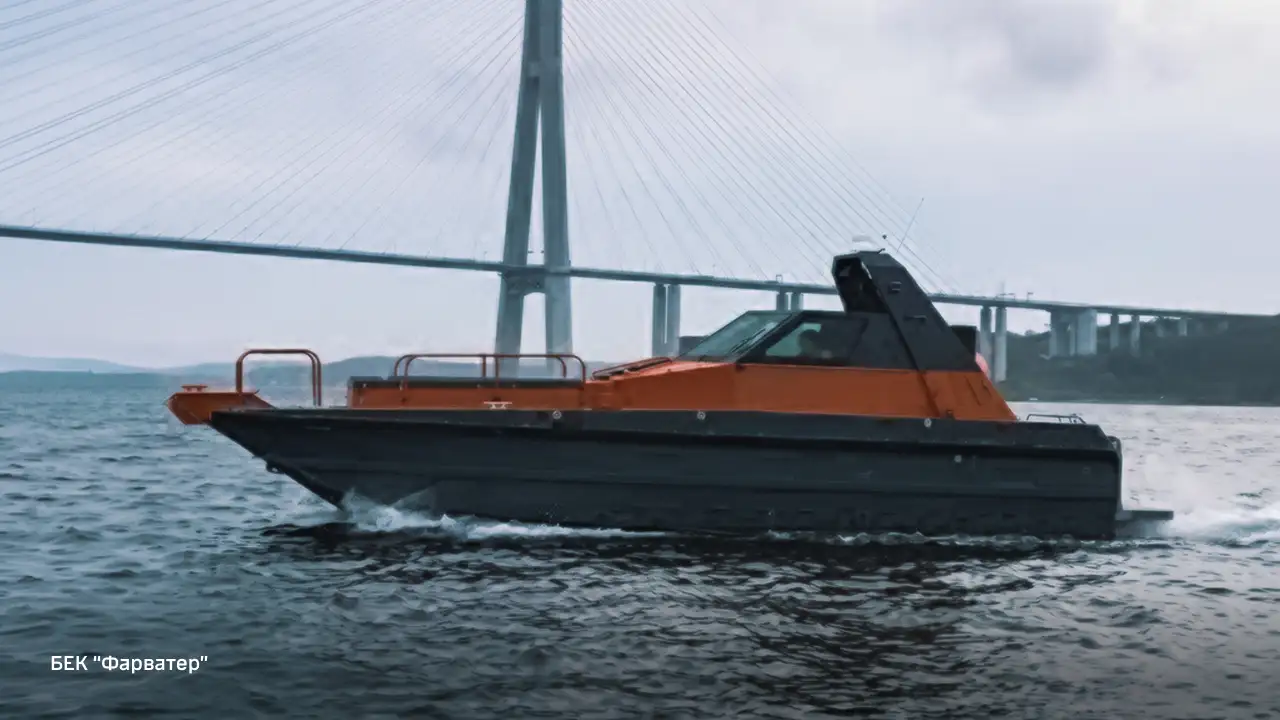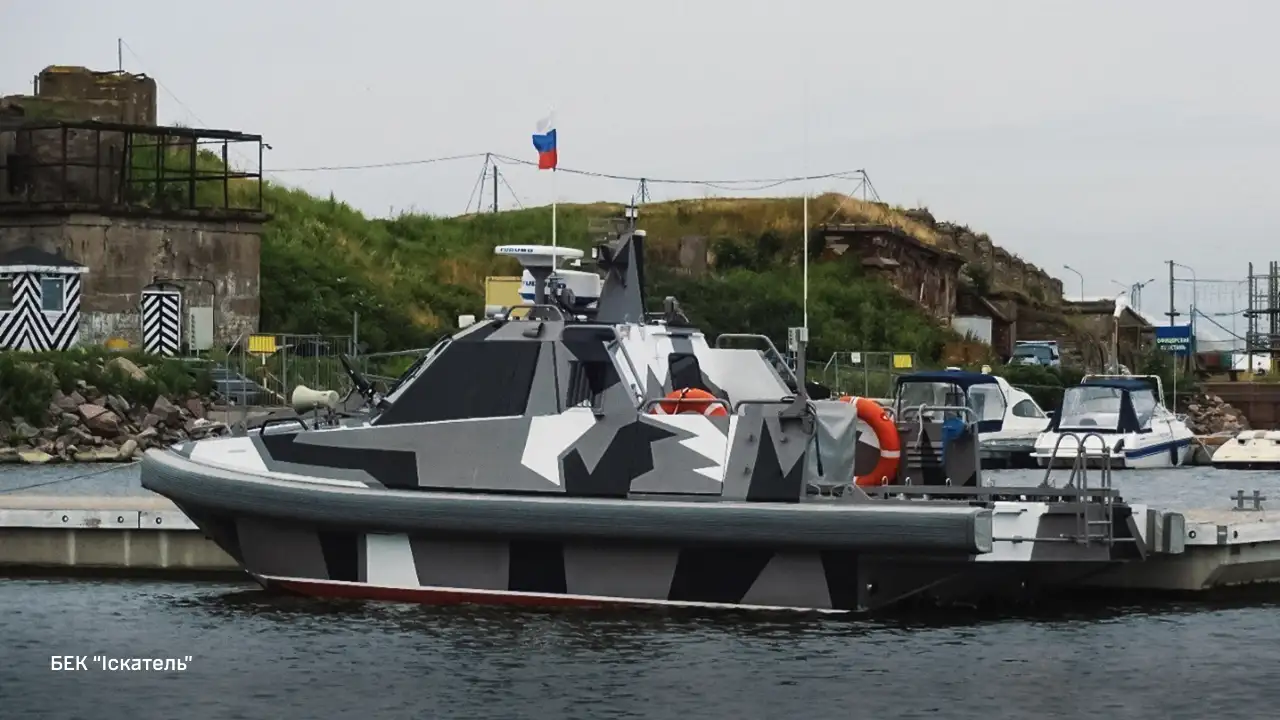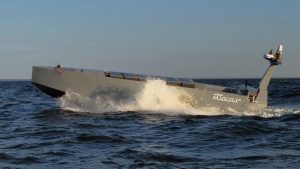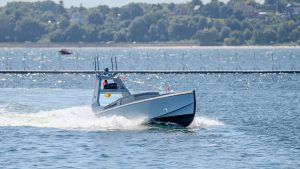
Defense Intelligence of Ukraine (GUR) has disclosed detailed operational data regarding Russia’s uncrewed surface vessel (USV) inventory, spanning platforms designed for maritime surveillance, mine countermeasures, direct-strike kamikaze missions, and FPV drone transport.
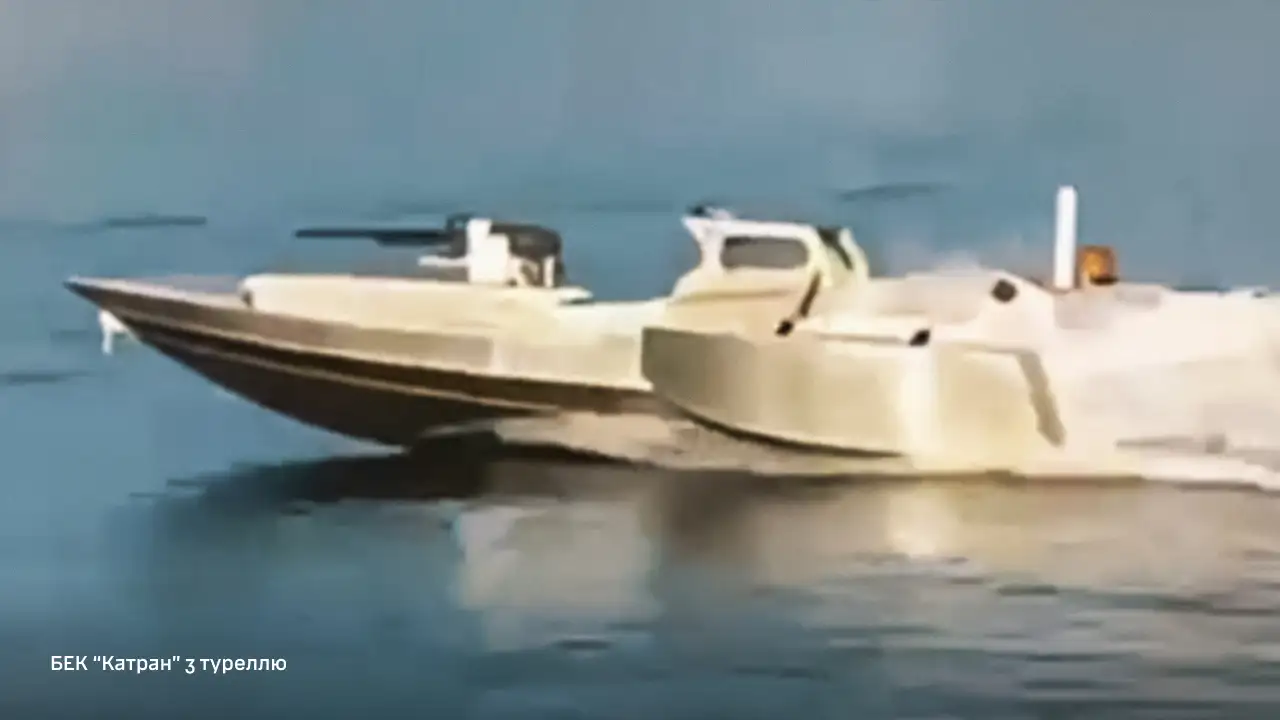
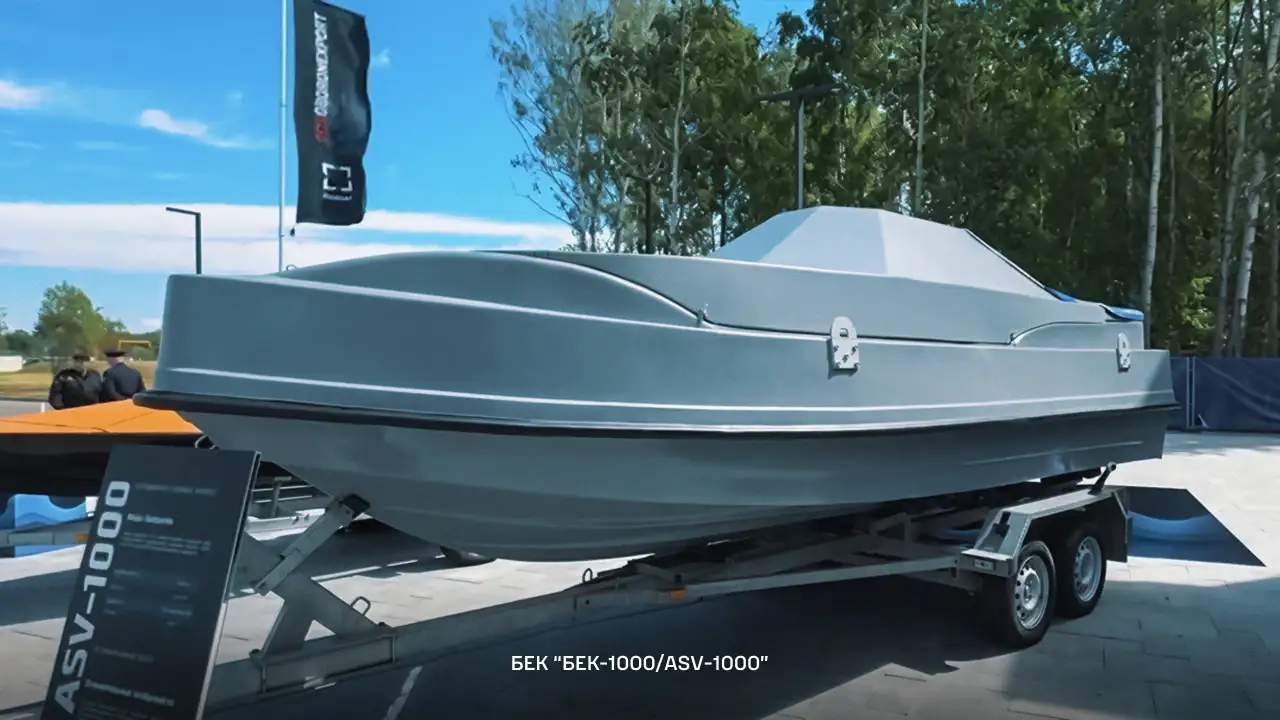
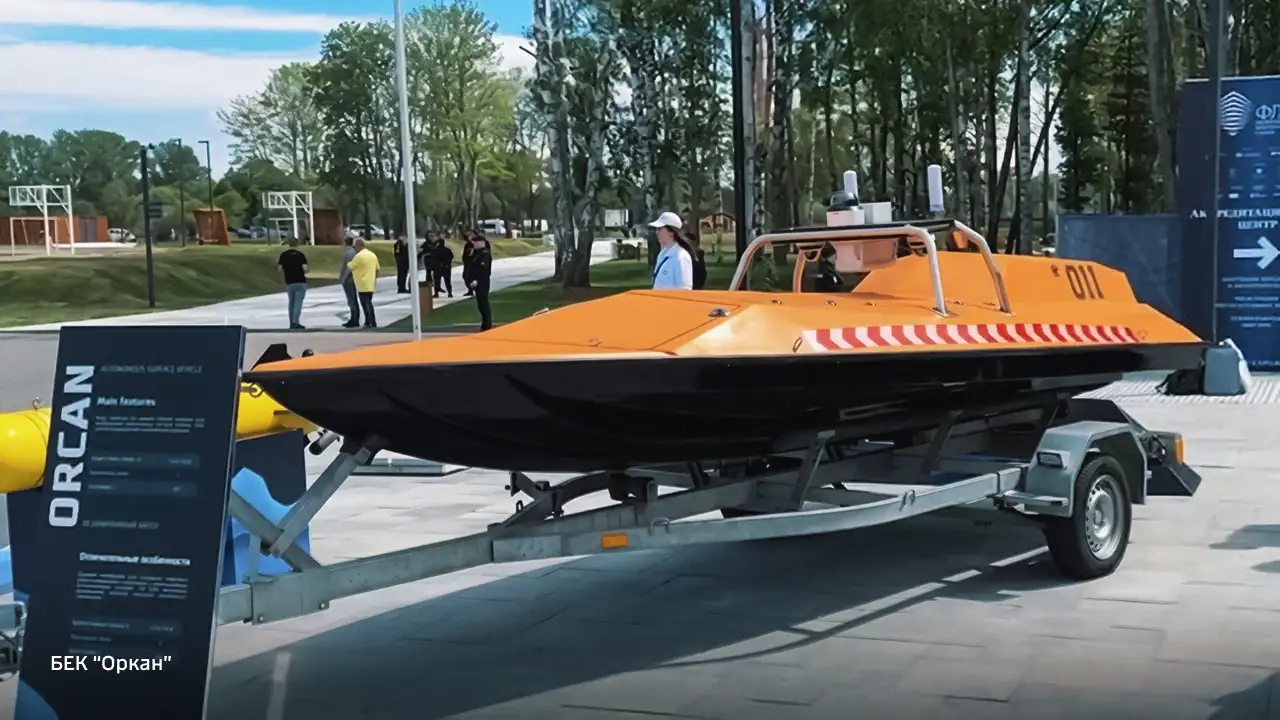
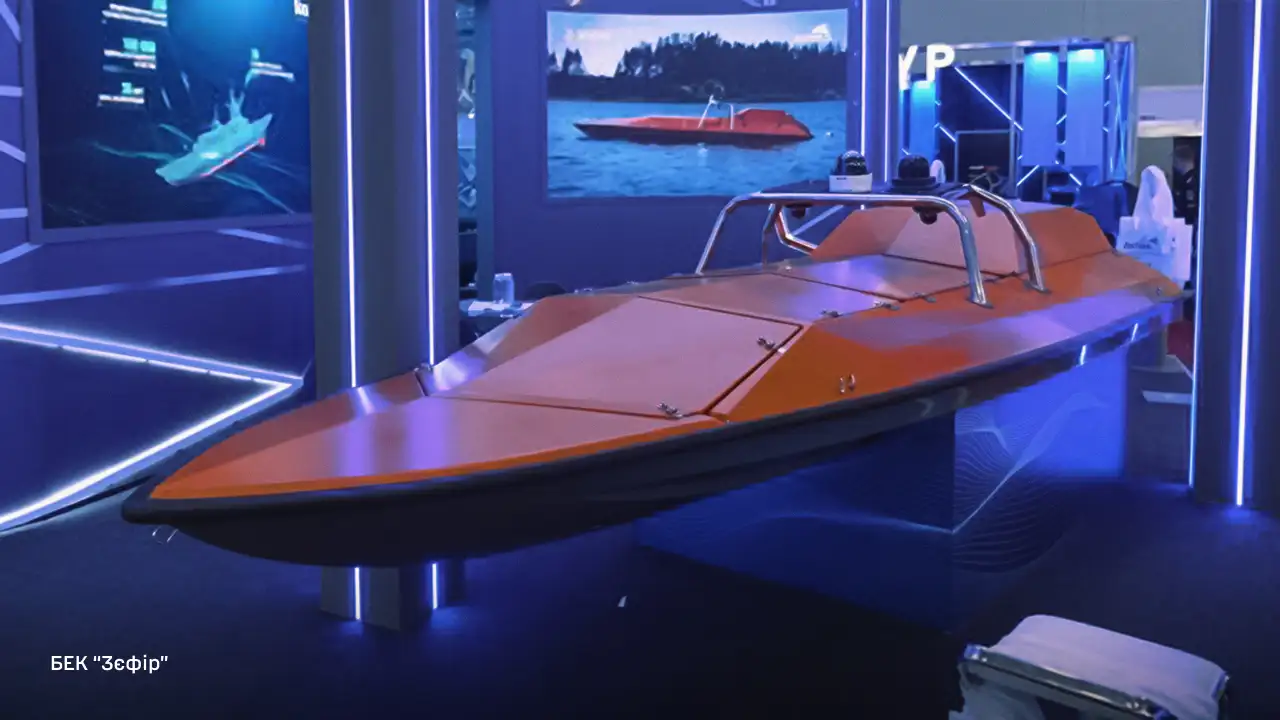
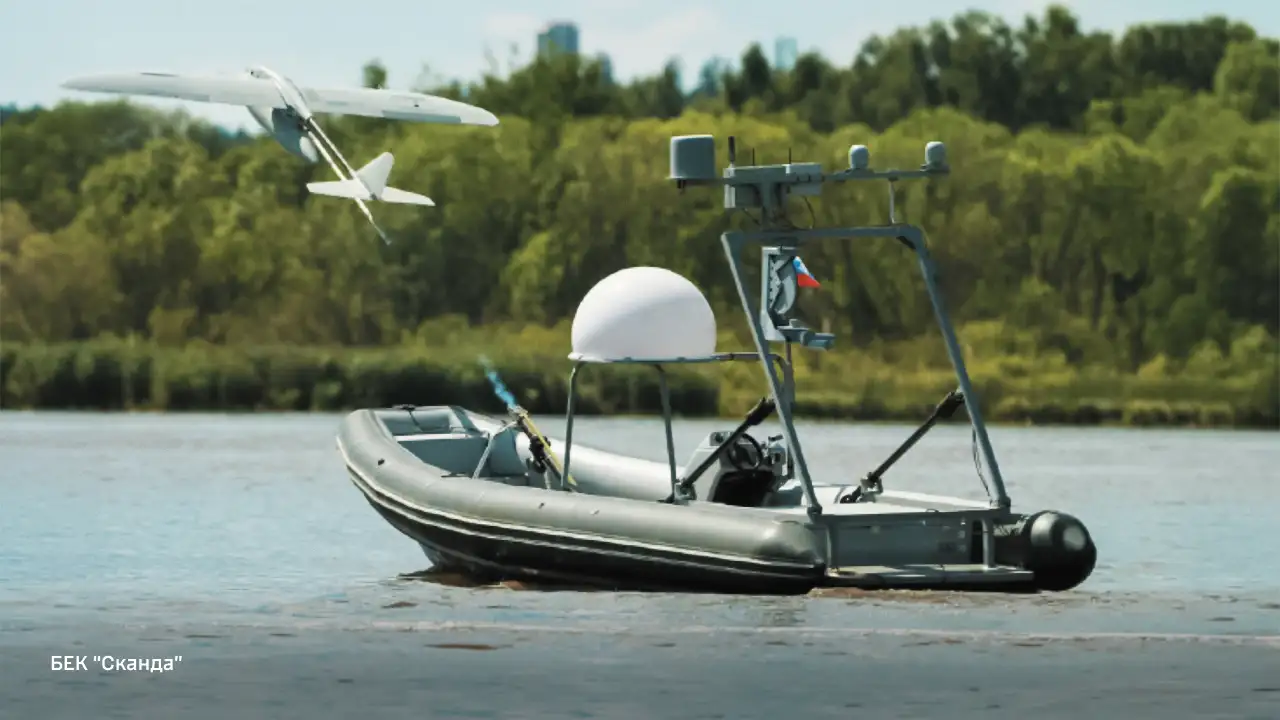
The revealed systems range from legacy experimental hulls like the «Skanda», tested on Lake Ladoga and in occupied Sevastopol, to dual-use modular platforms such as the «Vizir-700» and «Zefir/Orkan». Recent additions include the «Katran», designed to deploy FPV drone swarms over distances of 100 to 200 km, and heavy strike platforms such as the «BEK-1000», which claims a payload capacity of up to one metric ton, a 500 km range, and speeds up to 40 knots, as reported by the Main Directorate of Intelligence of Ukraine.
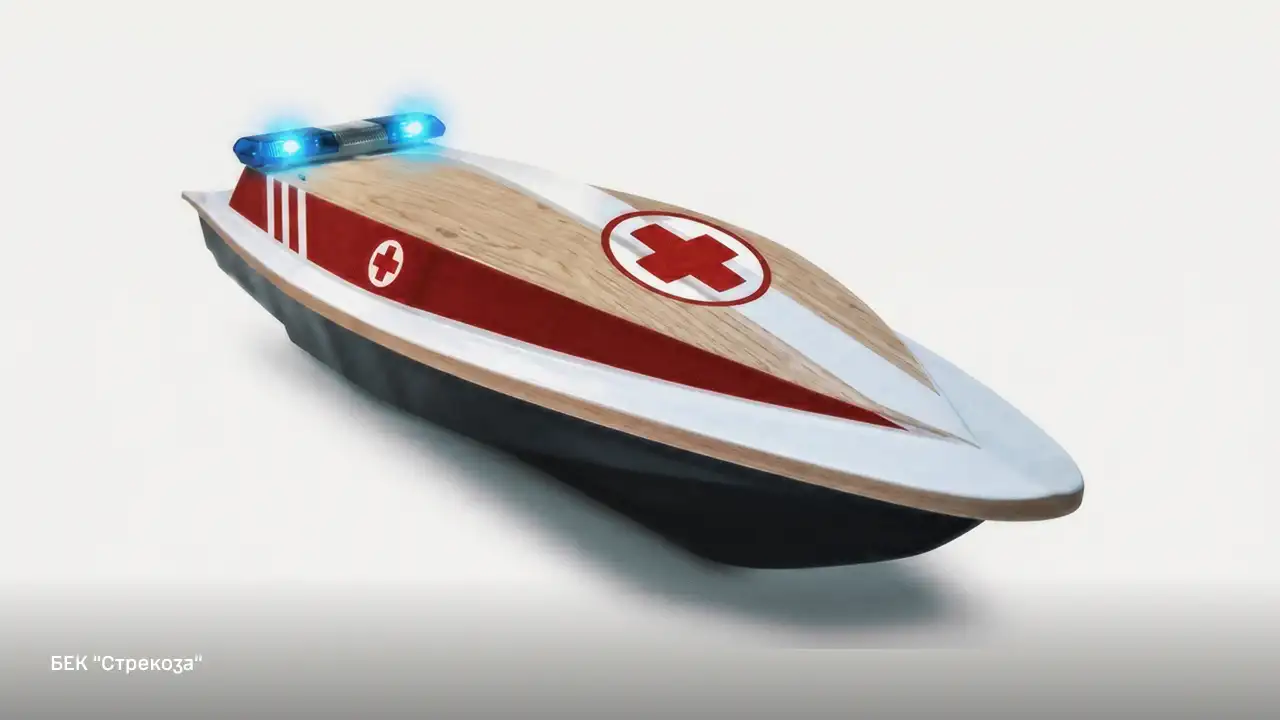
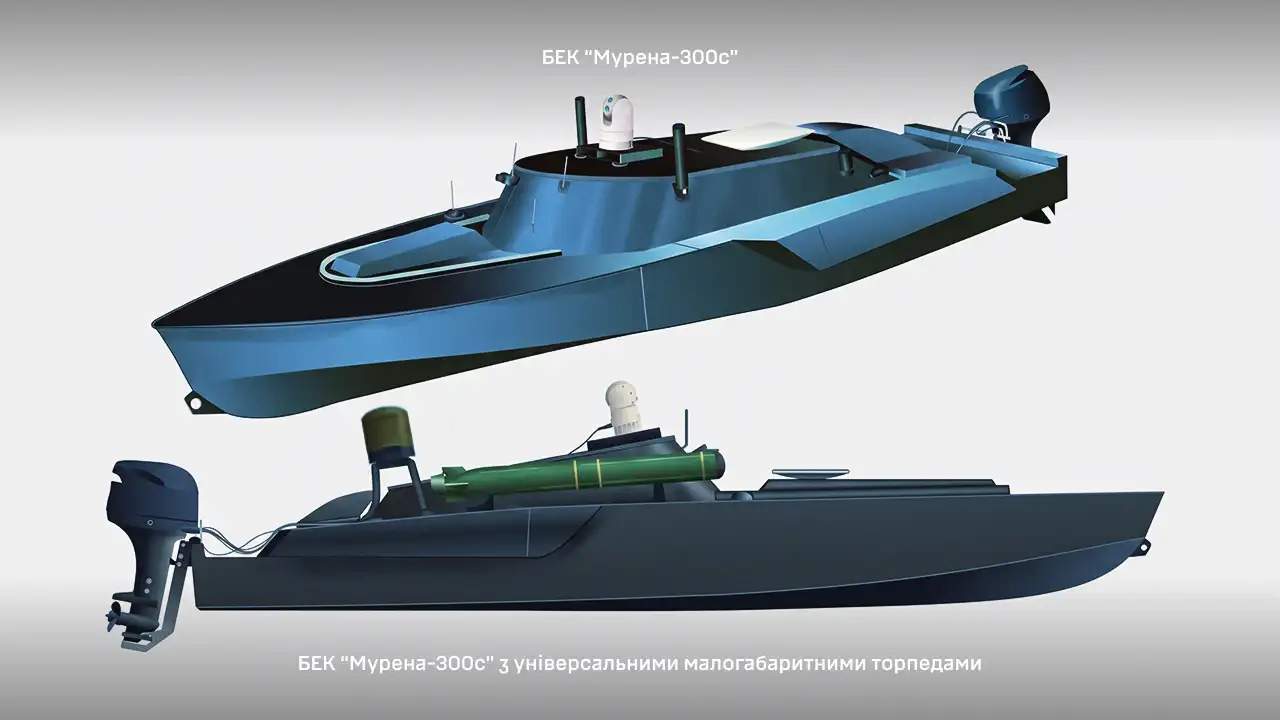
The technical disclosure highlights specialized platforms including the «Murena-300s», which incorporates a tethered UAV capable of ascending up to 100 meters for elevated relay or surveillance, as well as configurations equipped with lightweight torpedoes. Experimental designs encompass a low-cost kamikaze USV constructed from fiberglass-coated wood carrying a 200 kg warhead—assessed by Ukrainian intelligence as the system utilized in the attack on the Zatoka drawbridge in the Odesa region—alongside modular micro-USVs like the «Vodyanoy» and «Barabulka». Ukrainian intelligence officials noted that production facilities manufacturing these uncrewed maritime platforms represent legitimate military targets for the Security and Defense Forces of Ukraine.